Investment Bank Morgan Stanley Luxury Consumption Report
"Real Estate Owners Spend Amid Asset Price Increases"
"Young Generation Feels 'Can't Buy a House Anyway' Mentality"
A recent analysis suggests that the surge in real estate prices has propelled South Korea to become the world leader in luxury goods consumption per capita. The increase in homeowners' assets has boosted consumption of luxury and high-end goods.
On the 26th (local time), the U.S. economic media outlet Bloomberg reported, citing a luxury consumption report by the global investment bank Morgan Stanley, that South Korea has risen to the top spot globally in per capita luxury consumption.
According to the report, last year, the per capita luxury consumption of South Koreans was estimated at $325. This amount is significantly higher than that of Americans ($280), the world's largest economy, and Chinese ($55) per capita consumption. When converted to the total luxury market, South Korea's luxury market size last year was $16.8 billion, marking a 24% increase compared to the previous year.
Did soaring housing prices trigger the luxury market boom?
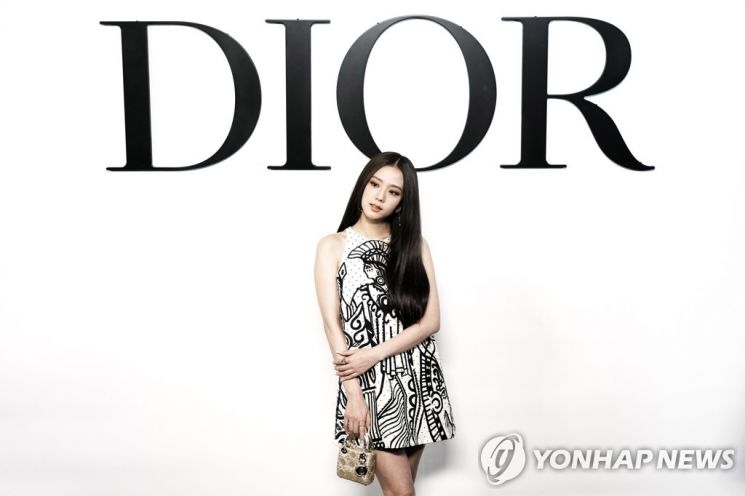
Why was the luxury market able to grow rapidly over the past few years despite economic adversities such as COVID-19 restrictions and soaring inflation? Bloomberg, Morgan Stanley, and others have identified 'housing prices' as the cause.
Thanks to the skyrocketing real estate prices, homeowners' net worth has increased significantly, which in turn has led to increased consumption of luxury goods and other discretionary items.
According to data from the Bank of Korea (BOK), as of 2021, the net worth of Korean households increased by 11%. Furthermore, real estate accounts for 76% of the total assets in Korean households' asset composition. This indicates that the direction of real estate prices is a crucial factor determining the wealth of Koreans.
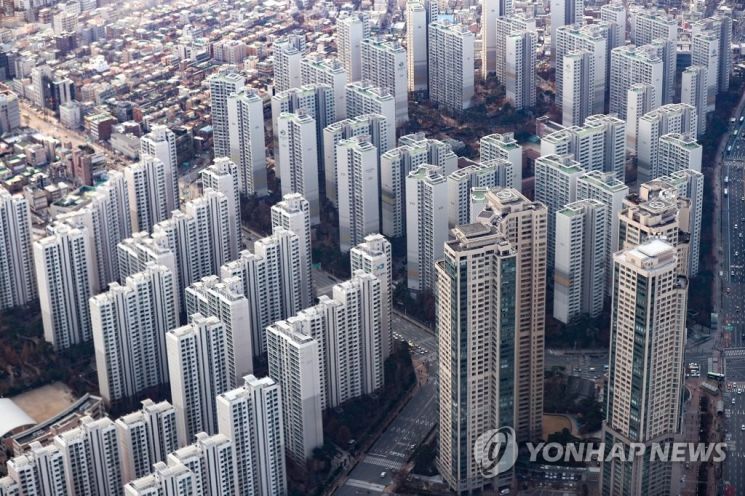
Bloomberg argues that while soaring housing prices encourage wealthy consumers to purchase luxury goods, ironically, they also lead ordinary citizens to buy luxury items. Due to the absurdly high housing prices, young South Koreans have given up on buying homes and instead spent their disposable funds on high-end products.
A South Korean in their 30s told Bloomberg, "The younger generation in Korea lives by the YOLO (You Only Live Once) motto. Houses are so expensive that even if you can buy one, why bother saving money?"
Dark clouds over real estate... Will the luxury boom fade?
Can the domestic luxury market maintain the same 'upward momentum' beyond this year? Some express skepticism as the real estate market, which has supported the consumption sentiment of the Korean middle class, is entering a downturn phase.
The International Monetary Fund (IMF), in its report titled 'Housing Market Stability and Affordability in the Asia-Pacific Region' released last month, noted, "There is significant downside risk to housing prices in many countries within the Asia region," adding, "In the cases of South Korea and Japan, housing supply shortages and strengthened expectations of price increases have contributed to rising housing prices."
Lee Chang-yong, Governor of the Bank of Korea, also stated at a foreign press briefing held on the 18th, "Policies can be implemented to supply liquidity or ensure financial safety through government support to prevent real estate issues from spreading throughout the economy."
Consumer sentiment is also weakening. The 'Q1 Retail Distribution Business Outlook Index,' surveyed by the Korea Chamber of Commerce and Industry on 500 retail companies on the 15th, was recorded at 64, marking the third consecutive quarter of decline. This is even lower than the index during the 2009 global financial crisis (73) and the peak of social distancing in 2020 (66).
© The Asia Business Daily(www.asiae.co.kr). All rights reserved.


















