Because Health Is the Most Important...

It was so cold that my ears felt numb, then snow piled up softly, and now it feels like early spring as I want to take off my thick padding jacket. This winter, which makes me ponder over it a dozen times a day, feels different every year. With gas and electricity bills soaring several times higher, both my heart and wallet have frozen solid. On top of that, there’s the unavoidable extreme dryness! Because of this dryness, a dry cough sneaks out, and lips crack easily like parched earth. What about the skin? Moisturizing cream is useless, and every time my facial expression changes as if my face is numb, my skin feels tight. The season to wear long padding jackets is still more than a month away. For the remaining month, even if you can’t have a health-boosting meal, how about trying a healthy diet with seasonal foods?
Bajirak (Clam)
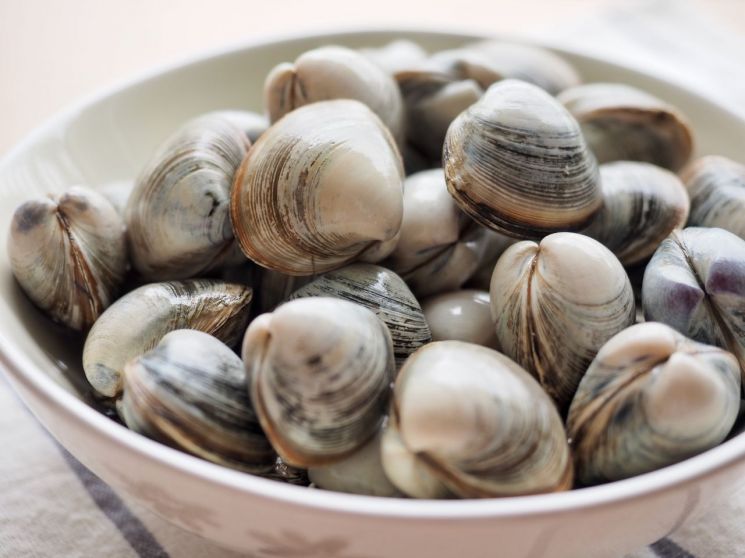
Bajirak, named after the "bajirak bajirak" sound it makes when scraping mudflats with a hoe, is in season from February to April. It is loved by many as it can be enjoyed in various dishes such as steamed, porridge, salted seafood, and kalguksu (knife-cut noodles). It is a mineral-rich ingredient that is good for restoring energy. Especially, its high iron content helps prevent anemia, and it is also rich in protein. Additionally, the taurine it contains helps prevent cardiovascular diseases and is excellent for fat breakdown and fatigue recovery.
When choosing bajirak, it is best to select those whose shells are not broken and whose mouths are not open. It is especially important to purge them, which means soaking the bajirak in saltwater for more than 30 minutes so they open their shells and expel impurities.
Agwi (Monkfish)
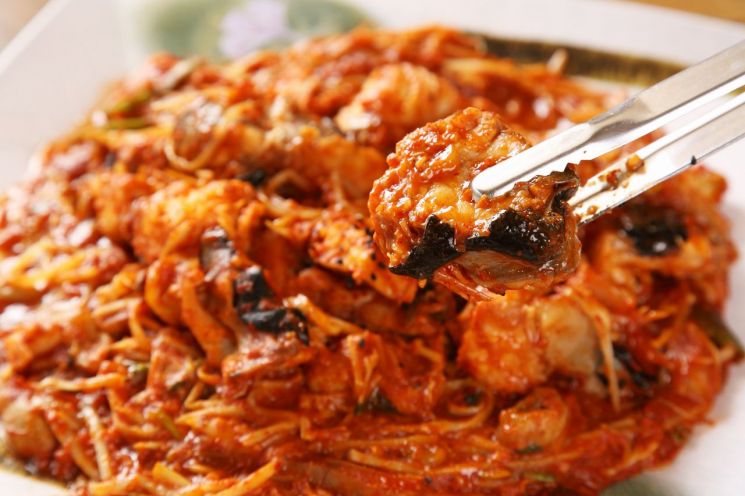
Don’t tease it for being ugly! Agwi, known for its mild flavor, is a fish that tastes even better these days. It is often eaten steamed or in spicy fish stew. As a low-fat fish, it is good for dieting and rich in protein, making it excellent for supplementing essential amino acids. Especially, it is rich in growth-promoting and collagen components, which have outstanding benefits for skin health.
When selecting agwi, choose one with firm flesh, a dark body color, and no unpleasant smell. It pairs well with radish because the protein-digesting enzymes in radish help digest agwi and supplement vitamin C.
Strawberry
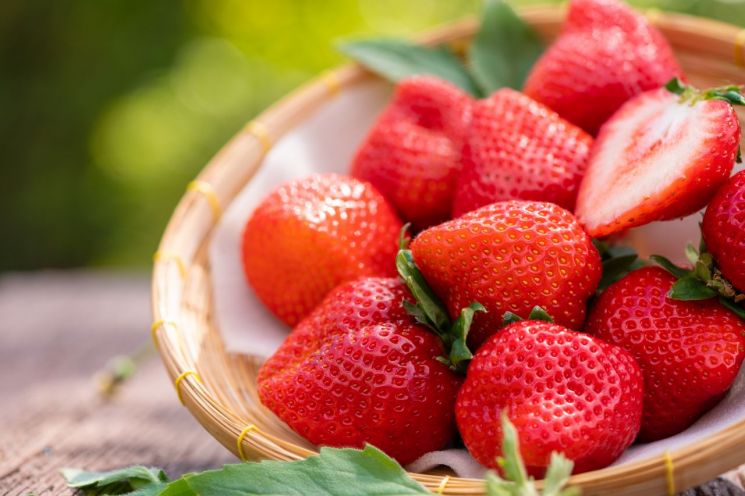
Strawberries, with their sweet and sour taste, are loved by everyone. There is a saying that "winter is the season of strawberries," highlighting how good they are to eat in season. Strawberries are especially rich in vitamin C, which has excellent antioxidant effects, and the ellagic acid abundant in strawberry seeds is said to help inhibit cancer cells. They also have relatively low sugar content, so they cause less blood sugar spikes.
When choosing strawberries, it is best to pick those with fresh green caps and deep color. The red color of the strawberry should extend to the cap area for the best taste. When rinsing, lightly wipe them with saltwater or vinegar. They pair better with dairy products like milk than with tea.
Hallabong
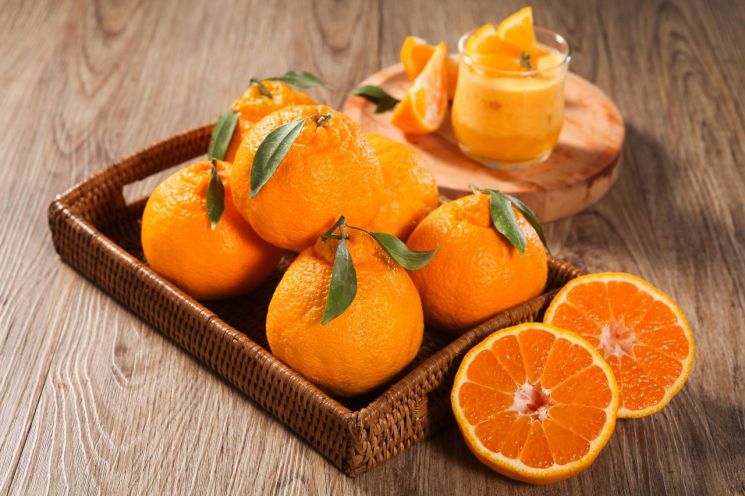
Hallabong, which is as fun to peel as tangerines, is a seasonal fruit rich in vitamin C that can boost immunity. It is low in calories but high in sweetness and has a soft texture. Eating it in winter is excellent for preventing colds, and its high iron content makes it even better when consumed with broccoli.
The thinner the peel, the sweeter the Hallabong, and if the peel surface is rough and wrinkled, it means the fruit is less fresh, so be careful when choosing. Make sure to wash the peel thoroughly before eating.
Bomdong (Spring Cabbage)
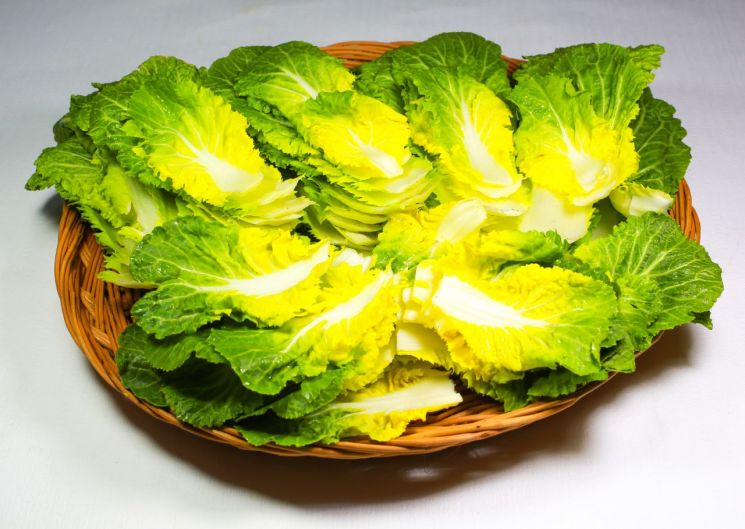
Bomdong, in season from January to March, is a vegetable rich in vitamin C, calcium, potassium, phosphorus, and other minerals that help prevent anemia and lower cholesterol levels. It is also high in fiber, which is good for preventing constipation and maintaining skin health. Loved for its nutty taste and rich aroma, it is versatile and can be eaten in salads, blanched dishes, grilled, as pancakes, or in soups.
Bomdong with fewer cotyledons and a light green color tastes better. Choose ones that are clean without spots and have a clear white part. After cutting off the stem, wash under running water, remove moisture, and store sealed in a plastic bag. It is best to consume it as soon as possible.
© The Asia Business Daily(www.asiae.co.kr). All rights reserved.



















