As Prices Rise, Consumers Seek Affordable Imported Kimchi
Last year, kimchi import value reached an all-time high. As domestic kimchi became expensive due to soaring prices, consumers who felt the burden appeared to start seeking cheaper imported kimchi.
According to trade statistics from the Korea Customs Service on the 25th, last year's kimchi import value recorded an all-time high of $169.4 million (approximately 208.9 billion KRW), a 20.4% increase from the previous year. The import value growth rate is the highest in 12 years since 2010 (53.8%). Currently, 99% of imported kimchi is from China. Chinese imported kimchi is known to be less of a financial burden, costing less than one-fifth of the price of domestic kimchi.
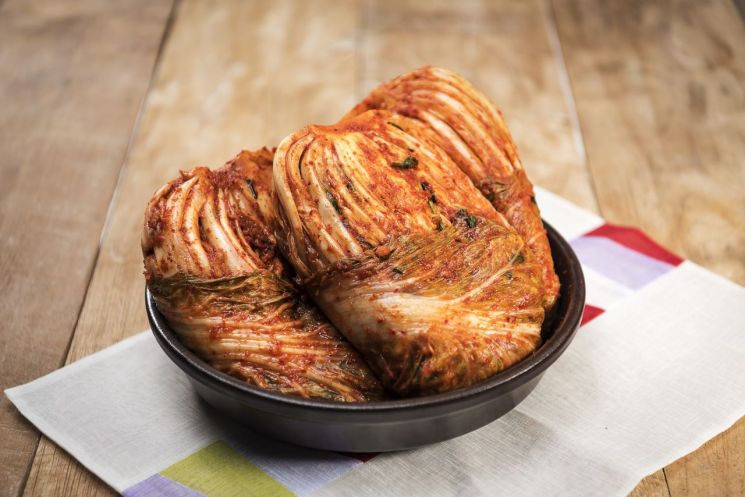
Kimchi import value increased from $130 million in 2019 to $150 million in 2020, then decreased to $140 million in 2021 as videos of so-called 'naked kimchi' from China spread. However, last year it increased again by more than 20%, surpassing the $160 million mark for the first time.
This is believed to be because the price of kimchi ingredients rose last year, leading to an increase in domestic kimchi prices, which in turn caused more people to seek relatively cheaper Chinese kimchi. In fact, Daesang and CJ CheilJedang raised the prices of their 'Jongga' and 'Bibigo' kimchi by about 10% last year.
On the other hand, last year's kimchi export value was $140.82 million (approximately 173.7 billion KRW), down 11.9% from the previous year. This is the first decrease in kimchi export value in seven years.
Until 2018, kimchi export value was below $100 million, but it rapidly increased to $159.92 million (approximately 197.2 billion KRW) in 2021. This was due to the spread of the perception abroad that 'kimchi is a health food that boosts immunity' amid the COVID-19 pandemic, as well as the rising popularity of the Korean Wave, which increased interest in kimchi. However, as the COVID-19 situation calmed down last year, the growth in kimchi exports is interpreted to have slowed down.
© The Asia Business Daily(www.asiae.co.kr). All rights reserved.
![Clutching a Stolen Dior Bag, Saying "I Hate Being Poor but Real"... The Grotesque Con of a "Human Knockoff" [Slate]](https://cwcontent.asiae.co.kr/asiaresize/183/2026021902243444107_1771435474.jpg)











