Move-in Scheduled for March Next Year... Only 1 of 5 Major Transportation Projects Completed
Suin Line Hakik Station New Construction Takes Over a Year Just for Agreement Signing
Juan Songdo Tram Deferred as a Lower Priority Task by Incheon City
[Asia Economy Reporter Park Hyesook] The confirmed projects under the metropolitan traffic improvement measures for the Yonghyeon·Hakik 1-block urban development project, considered a 'mini new town' in Incheon’s original downtown area, are all stalling one after another. Traffic inconvenience is expected as move-in is scheduled for March next year.
According to the 'Status of Metropolitan Traffic Improvement Measures for Yonghyeon·Hakik (1 Block) Urban Development Project' data submitted by the Ministry of Land, Infrastructure and Transport and Incheon City to Heo Jongsik, a member of the Democratic Party of Korea (Incheon Dong-gu Michuhol-gu Gap), among the five projects including roads/access facilities and railway/public transportation facilities, the only completed project was the Aam-ro Ongamsageori grade separation (north-south direction underground road) completed in 2017.
The Biryugil Okgol Sageori grade separation (east-west direction underground road) project, which was to be promoted together to improve congested intersections around the project area, was postponed due to anticipated changes in traffic demand once the Incheon-daero road improvement project proceeds.
Also, the project to expand Dokbaegil from 1.6 km and 6 lanes to 10 lanes is scheduled to be completed around December next year, meaning even the main road maintenance project will not be finished by March next year when the first move-in begins.
The Suin Line Hakik Station new construction project, which started in May 2013, halted after only the first phase of construction, including the mainline structure and passing station, was completed in 2018. Although the second phase should begin, Incheon City, Korail, and the Korea Rail Network Authority have been negotiating for over a year to sign an agreement regarding Hakik Station operation.
Incheon City maintains that the cost burden for operating losses lies with DCR Co., Ltd., while Korail insists that Incheon City should bear the costs.
The tram project (new transportation mode between Juan and Songdo) is effectively being neglected.
This project is a route approximately 14.73 km long connecting Juan Station (Gyeongin Line), Inha University Station (Suin Line), passing through the Yonghyeon·Hakik area, to Songdo Station (Incheon-bound KTX), Songdo Amusement Park, and Songdo International City (Incheon Line 1). It was confirmed in the 2010 Yonghyeon·Hakik metropolitan traffic improvement project and proposed as Incheon’s first tram project, also reflected in the Incheon urban railway network construction plan.
However, Incheon City decided to prioritize the Bupyeong Coastal Pier Line and Songdo Tram (Songdo Internal Circulation Line) as tram priority projects, pushing the Juan-Songdo Line tram project to a long-term project (5th priority for investment).
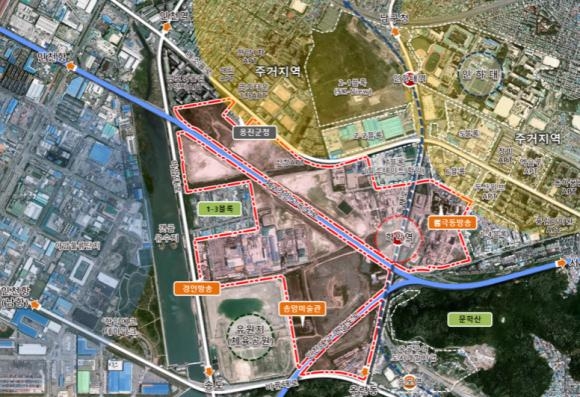
Meanwhile, in October last year, the Ministry of Land, Infrastructure and Transport pointed out that Incheon City did not reflect public transportation services in the early stages of move-in for the Yonghyeon·Hakik 1-block urban development project.
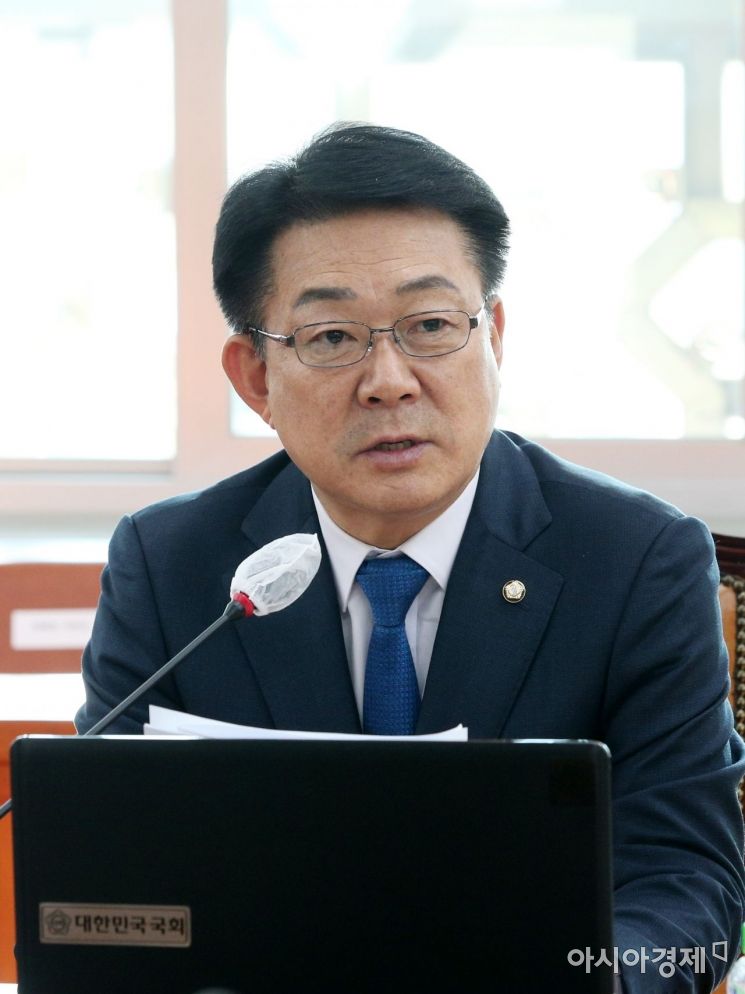
Representative Heo said, "From March next year, about 3,700 households in three complexes will move in sequentially, but residents are unable to use railways or even receive public transportation support," adding, "It is urgent to establish a public transportation plan to prevent inconvenience to residents, promote early implementation of the Juan-Songdo Line tram, prepare alternatives, and publicize changes to the metropolitan traffic improvement measures."
Additionally, Representative Heo argued that since controversy has arisen over noise reduction measures such as 'soundproof tunnels vs. deep underground construction,' the option of completely closing the road section from Hakik Junction to Neunghae IC on the 2nd Gyeongin Expressway should also be considered.
The Yonghyeon·Hakik 1-block urban development project is divided by the 2nd Gyeongin Expressway into complexes 1 to 5 and complexes 6 to 9 and public rental housing. The 2nd Gyeongin Expressway has a 'Y-shaped' road system based on Hakik Junction, with directions toward Incheon Port South Port (Neunghae IC to Chukhang-daero) and Incheon Bridge.
Previously, the government announced plans to expand the 20.1 km section from Munhak IC to Seoksu IC on the 2nd Gyeongin Expressway from 6 lanes to 8 lanes, raising calls for Incheon City to prepare related policies.
Representative Heo stated, "Closing the road section from Hakik Junction to Neunghae IC and returning it to citizens, while simultaneously creating an alternative road allowing vehicles heading to the South Port direction of the 2nd Gyeongin Expressway to enter from Seohae-daero instead of the existing Chukhang-daero, could be a viable alternative."
He added, "Taking this opportunity to change the metropolitan traffic improvement measures for Yonghyeon·Hakik 1-block, Incheon City should actively discover additional mid- to long-term facility projects such as surrounding road networks and railway network plans to improve the residential environment of the original downtown area and expand transportation convenience."
© The Asia Business Daily(www.asiae.co.kr). All rights reserved.


















