Elderly, Children, and Chronic Disease Patients Vulnerable
Avoid Excessive Physical Activity and Beware of Heavy Drinking
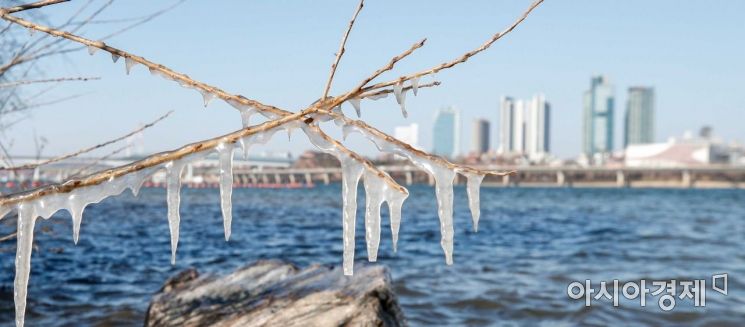
[Asia Economy Reporter Lee Gwan-joo] As of 8:30 a.m. on the 24th, the temperature in Seoul recorded -16.7°C (feels like -27.1°C), marking the arrival of the "Arctic cold wave." Special caution is required for the elderly and children vulnerable to cold-related illnesses, as well as those with chronic diseases such as diabetes and hypertension.
Hypothermia is a representative symptom of cold-related illnesses. Hypothermia occurs when the core body temperature drops below 35°C. In the early stages, severe chills occur, and gradually the pulse and breathing slow down, which can lead to death in severe cases. Hypothermia is dangerous not only for healthy individuals but even more so for those with chronic diseases and the elderly. Chronic patients have problems with vasoconstriction and blood circulation, which reduces their ability to maintain body temperature compared to healthy people. Elderly people have relatively less body fat and a lower metabolic rate, making it difficult to maintain body temperature.
Cardiovascular and cerebrovascular diseases are most affected by cold waves. When the temperature drops significantly, the body constricts blood vessels to prevent heat loss, causing blood pressure to rise sharply and triggering cardiovascular and cerebrovascular diseases. Generally, even if cerebral blood pressure rises to 1,520 mmHg, blood vessels rarely rupture, but hypertensive patients have weakened blood vessels, making them 4 to 5 times more at risk than those with normal blood pressure.
Acute myocardial infarction is also a disease with a high risk due to cold waves. Myocardial infarction occurs when the coronary arteries supplying blood to the heart suddenly become blocked, causing the heart muscle deprived of blood supply to necrotize. When the temperature suddenly drops, blood vessels constrict to maintain body temperature, the heart beats faster than usual, and blood pressure rises. These changes can cause rupture of atherosclerotic plaques in the heart vessels, leading to acute myocardial infarction.
During sudden cold waves, the body's adaptability decreases, making it vulnerable to cold-related illnesses. Therefore, outdoor activities should be avoided, and thorough preparation for warmth using hats, scarves, gloves, and other cold-weather gear is necessary.
The elderly and children are more vulnerable to maintaining body temperature than healthy adults and require special attention. If heating is unavailable, caution against cold-related illnesses is necessary even indoors. Chronic patients should avoid sudden exposure to cold and excessive physical activity during cold waves. Alcohol consumption, especially excessive drinking, requires extra caution. Drinking causes body heat to rise and then drop rapidly, making it difficult to perceive the cold, which can be dangerous.
Choi Kyu-young, a cardiology specialist at H Plus Yangji Hospital, said, "Since the elderly and chronic patients have relatively reduced ability to maintain and sense body temperature, it is advisable to keep indoor temperatures at an appropriate level and wear thermal underwear and outerwear regularly. He added, "Avoid going out during the cold early morning hours, and when engaging in outdoor activities, thoroughly protect yourself with fur hats, gloves, scarves, and other cold-weather gear."
▶Before going out
-Check weather information (including feels-like temperature) and reduce outdoor activities on cold days as much as possible.
▶When going out
-Wear thermal underwear or layer thin clothes, and dress warmly with gloves, scarves, hats, and masks.
-If clothes or shoes get wet in cold weather, change quickly to dry clothes and shoes.
▶Lifestyle habits
-Engage in light indoor exercise, drink adequate fluids, and eat a balanced diet.
▶Indoor environment
-Maintain an appropriate indoor temperature and prevent dryness.
(Source: Korea Disease Control and Prevention Agency)
© The Asia Business Daily(www.asiae.co.kr). All rights reserved.

















