[Asia Economy Sejong=Reporter Dongwoo Lee] # A in his 20s living in Dongdaemun-gu, Seoul, is a so-called ‘Deungnini’ (a portmanteau of hiking and child). Since visiting Hallasan during a trip to Jeju Island last fall, he has been deeply fascinated by hiking. Although he did not reach the summit of Baengnokdam, facing the grandeur of nature made him feel a sense of liberation. He said, "I developed a new hobby of hiking with friends on weekends and recently even acquired backpacking gear. I plan to challenge myself by conquering summits, starting with well-maintained nearby national parks."
# Since the COVID-19 situation calmed down last year, B in his 50s started walking the Taean coastal trail with his spouse. The route stretches about 12km from Hagampo to Sinduri. Particularly popular is the Guryepocheon Angel Trail, which is accessible to the elderly and people with disabilities. Enjoying nature along the beach naturally brings a sense of healing to hearts weary from COVID-19. B said, "My wife, who usually did not like traveling, has recently enjoyed it more, so I’m glad we do it together."
After the social distancing measures for COVID-19 were lifted, the number of visitors to national parks increased significantly last year. The Korea National Park Service announced on the 25th that the total number of visitors last year was 38.79 million, an 8.1% increase compared to the previous year (35.9 million). This is the largest increase in the past five years (2018?2022). Approximately 3 million more people visited national parks last year alone. The rise in demand from young first-time visitors and the expansion of infrastructure such as trail development for enjoying nature contributed to the increased popularity.
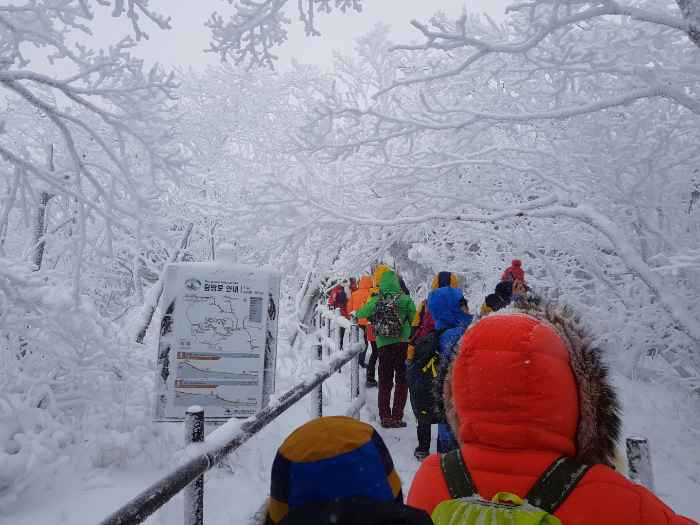
Healing Purpose Nears 50%... Bukhansan National Park Tops Visits
According to the ‘2023 National Park Visit Trend Forecast and Analysis’ by the Korea National Park Service, 46.1% of visitors last year came for rest and healing purposes, the highest proportion. This is a 5.7 percentage point increase compared to two years ago. Visitors also came to enjoy natural scenery and cultural heritage (38.9%), socializing (33.8%), and health improvement (30.9%). Particularly, visitors engaging in social activities using ecological experience programs and leisure facilities within the parks increased by 27.2 percentage points during the same period, gaining popularity.
Among the 22 national parks in Korea, Bukhansan National Park was the most visited, with a total of 6.7 million visitors last year. It was followed by Hallyeohaesang National Park (3.84 million), Jirisan National Park (3.78 million), Gyeongju National Park (2.8 million), and Mudeungsan National Park (2.44 million). Visitors aged 50 and above accounted for the largest share at 42%, followed by those in their 40s (22%), under 20s (19%), and 30s (17%). The National Park Service explained that visits from both the 50+ age group and young people in their 20s increased significantly.
As companions, nearly half (49%) of visitors came with their spouses, followed by children (28%), friends and partners (22%), and parents and family (14%). The most common duration of stay was a day trip at 45%, but overnight stays increased to 29%. Two-night stays accounted for 19%, and three-night stays 7%. Half (50%) of visitors expressed a desire for enhanced healing and wellness programs. Other demands included ecological experiences (39%), local cultural experiences (37%), expanded visitor guidance services (32%), interpretation services (20%), leisure and sports (11%), and professional climbing education (8%).
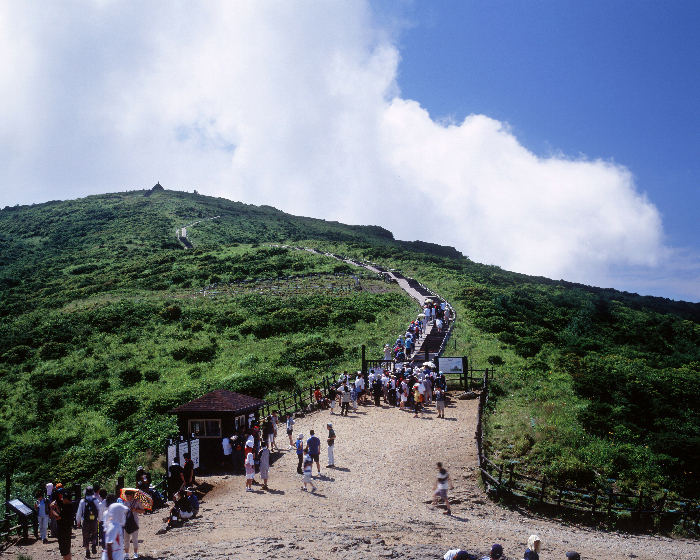
Strengthening Seasonal Trail Experience Programs
With the increase in visitors, the Korea National Park Service plans to enhance experience programs and facilities on four ‘Beautiful Trails’ currently operated, including the Bukhansan Dullegil and Taean Coastal Trail. Notably, the Bukhansan Dullegil, which spans a total of 71.5km and consists of 21 themes, and the Hallyeohaesang (Tongyeong) Badabaekri Trail, created from paths used by island residents to gather wood in the mountains, are recognized for their beautiful scenery.
Seasonal experience programs in national parks are also popular among visitors. In spring, the ‘When Flowers Bloom in Spring’ program, which allows observation of wildflowers, is operated at nine offices. Participants can observe wildflower habitats and surrounding landscapes. Last year, 206 sessions were held with a total of 2,580 participants, and due to growing popularity, the number of sessions will increase by 24 to a total of 230 this year.
In summer, an eco-friendly camping culture camping school is operated. The camping school, held in July and August at 10 offices, offers experience programs such as stargazing at campsites. Especially, the number of young children attending has increased, so the number of sessions will increase by 14 to 70 this year compared to last year. In autumn, visitors can enjoy historical programs and reflective time, and in winter, they can observe the night sky stars with experts.
Additionally, the Service operates a ‘Crew’ program that allows visitors to engage in activities with close companions at desired times, and a youth school targeting young visitors. Through carbon-neutral supporters, activities such as art exhibitions using waste materials within the parks are ongoing. The Korea National Park Service stated, "National parks are a foundation contributing to the health and welfare of the people and a precious legacy to pass on to future generations. We will do our best to protect the natural environment and promote proper visiting culture."
© The Asia Business Daily(www.asiae.co.kr). All rights reserved.


















