2022 Tax Reform Follow-up Enforcement Decree
[Asia Economy Sejong=Reporter Dongwoo Lee] The government will expand the inheritance tax deduction target for business succession of small and medium-sized enterprises (SMEs) and mid-sized companies to those with less than 500 billion KRW in sales starting this year. The maximum limit for the business succession inheritance tax deduction will also be increased to 60 billion KRW.
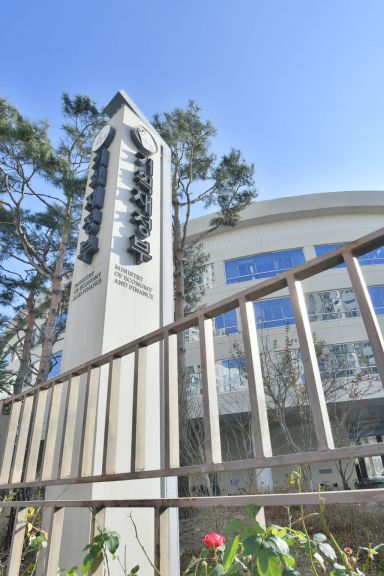
The Ministry of Economy and Finance announced the "2022 Tax Reform Follow-up Enforcement Decree" containing these details on the 18th. According to the amendment, the scope of the business succession inheritance tax deduction will be expanded from the previous sales threshold of less than 400 billion KRW to less than 500 billion KRW.
The business succession inheritance tax deduction is a system that deducts up to the maximum deduction limit from the taxable value of inherited business assets when a representative who has maintained the business for more than 10 years passes away and transfers the business to their children or others. It was introduced in 1997 to reduce the burden of inheritance tax and help facilitate smooth business succession.
To support smooth business succession for SMEs and mid-sized companies, the requirements for the heir to maintain the business have been relaxed. The business maintenance period from the date of gift has been shortened to 5 years (previously 7 years), and the deadline for assuming the CEO position has been shortened from 5 years to 3 years. Post-management conditions include maintaining 90% employment for 5 years and restricting disposal of more than 40% of assets for 5 years. These apply to inheritances commencing on or after January 1, 2023.
When receiving special tax treatment for gift tax due to business succession, the timing for determining the sales scale for deduction will be changed from the inheritance date to the gift date. The special gift tax treatment allows the business owner to pre-gift shares of the succession target business during their lifetime, with a maximum limit of 60 billion KRW, a deduction of 1 billion KRW, and taxation at 10% (20% for amounts exceeding 6 billion KRW).
For SMEs, heirs can defer payment of inheritance tax until the time of disposal such as transfer, inheritance, or gift. To qualify for payment deferral, the decedent must have been the largest shareholder and continuously held at least 40% of shares (20% for listed companies) for more than 10 years. During the business operation period, the decedent must have served as CEO for a certain period (at least 50% of the period or 10 years, or 5 years within 10 years retroactively from the inheritance commencement date).
Additionally, heirs must meet all requirements including being at least 19 years old at the inheritance commencement date, having directly worked in the business for more than 2 years before the inheritance commencement date, assuming an executive position by the inheritance tax filing deadline, and becoming CEO within 2 years from the filing deadline.
This amendment will go through procedures such as public notice (January 19 to February 3), vice ministerial meetings, and Cabinet meetings, and is expected to be promulgated and enforced next month.
© The Asia Business Daily(www.asiae.co.kr). All rights reserved.

















