Grandparent Population, 500 Million to 1.5 Billion in 60 Years
Great Support for Childcare and Women's Social Activities
As life expectancy increases, it has been revealed that 1.5 billion people worldwide, accounting for about 20% of the global population, are 'grandparents.' This figure is three times higher compared to 500 million in 1960, over 60 years ago.
The British current affairs weekly The Economist reported on the 12th (local time) in an article titled "The age of the grandparent has arrived" that as the number of grandparents increases, the childcare burden on mothers decreases while also having a positive impact on grandchildren.
Now is the 'Age of Grandparents'... 500 Million to 1.5 Billion in 60 Years
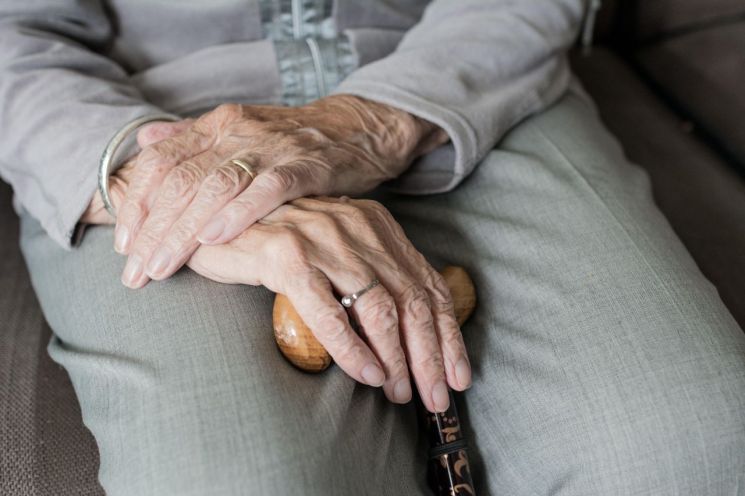
The fact that 1.5 billion people in the world are grandparents is the result of research commissioned by The Economist to the Max Planck Institute for Demographic Research in Germany. The number of grandparents in 1960 was 500 million, about 17% of the world population at the time, so the number of grandparents today has tripled in about 60 years, with the proportion also increasing by 3 percentage points. Additionally, during the same period, the ratio of grandparents to children under 15 years old increased significantly from 0.46 to 0.80. The grandparent population is expected to continue growing, reaching 2.1 billion by 2050, accounting for 22% of the global population.
The Economist said about this phenomenon, "This will have significant consequences," adding, "According to various evidence, children who receive help from grandparents grow up better." The Economist also noted that the help from grandparents essentially means help from grandmothers.
Grandmothers Aid Women's Labor Participation... Emotional Support for Mothers and Children
The Economist further analyzed that the role of grandmothers greatly contributes to women's paid labor. With the help of their own mothers, women can relieve childcare burdens and engage more actively in social activities. Moreover, grandparental childcare is not limited to feeding, washing, and putting children to sleep but also involves passing down traditional thoughts, stories, songs, and historical consciousness, providing great strength to both children and parents.
For example, in rural Gambia in West Africa, children with maternal grandmothers have a significantly higher survival rate up to the age of two. In sub-Saharan Africa, the rate of children attending school is known to increase by 15% when living with grandfathers and by 38% when living with grandmothers.
The effects of grandparental childcare participation are similar in developed countries. According to research by the University of Manitoba in Canada and others, among married women raising young children, labor market participation rates increase by 4 to 10 percentage points when the children's grandmothers live within a 25-mile (about 40 km) radius. Furthermore, research by the Inter-American Development Bank (IDB) found that if a maternal grandmother who plays the role of a grandmother to her own children passes away, the probability that the woman maintains employment afterward decreases by 12 percentage points, and her income drops by 53%.
The Economist also mentioned, "Grandparents who care for grandchildren tend to experience less depression or loneliness, but as they get older, they tend to find childcare burdens heavier, and some prefer to enjoy a more comfortable retirement life."
© The Asia Business Daily(www.asiae.co.kr). All rights reserved.

















