Mercedes-Benz, 9,451 Units Sold in December
Maintains Annual Sales Title for 7 Consecutive Years
Promotion Boosted by Large Discounts and Dealer Incentives
Used Car Prices Lowered, Causing Consumer Complaints
"I'll Buy at the Next Discount," Purchase Delays Observed
[Asia Economy Reporter Choi Dae-yeol] There is a lot of industry gossip surrounding Mercedes-Benz Korea's aggressive promotional activities. Last month, Mercedes-Benz unusually held a large-scale discount event and even increased dealer incentives to boost sales performance. Thanks to this, they maintained the title of 'No. 1 imported car in annual sales,' but there are criticisms that excessive sales competition is ultimately harming their own interests.
According to data from the Imported Car Association on the 10th, 9,451 Mercedes-Benz vehicles were sold domestically last month. This is the second-highest monthly figure ever recorded. Previously, in 2020, they sold around 6,000 units monthly on average but set a monthly record by selling 9,546 units in December. Typically, December is known as a month with many promotions such as discounts to clear year-end inventory. Until November last year, Mercedes-Benz was neck and neck with BMW in cumulative sales, with only a few hundred units difference. However, by selling a large number in December, they surpassed BMW and maintained the title of the No. 1 imported car brand for seven consecutive years.
The large sedan S-Class, which had never been discounted before, was discounted by about 3.5% last month. The mid-size sport utility vehicle (SUV) GLE was discounted up to 6.5%, more than double the usual rate. It is reported that Mercedes-Benz Korea, which usually paid dealer incentives based on sales revenue, paid them last month based on vehicle registration. When customers took delivery and registered their vehicles, incentives of 2 million to 3 million KRW per vehicle were paid. Imported car sales performance is measured based on new registrations.
Some dealers reportedly received incentives close to 5 million KRW per vehicle if they exceeded certain sales targets. Normally, Mercedes-Benz dealers' main concern is not the incentive amount but the volume of vehicles. Because demand is high and products are scarce, the more cars they receive, the more incentives they naturally earn. Each dealer is more concerned about whether they can smoothly receive volume allocations from the importer (Mercedes-Benz Korea) in the future rather than the amount of incentives. However, this common understanding broke down last December.
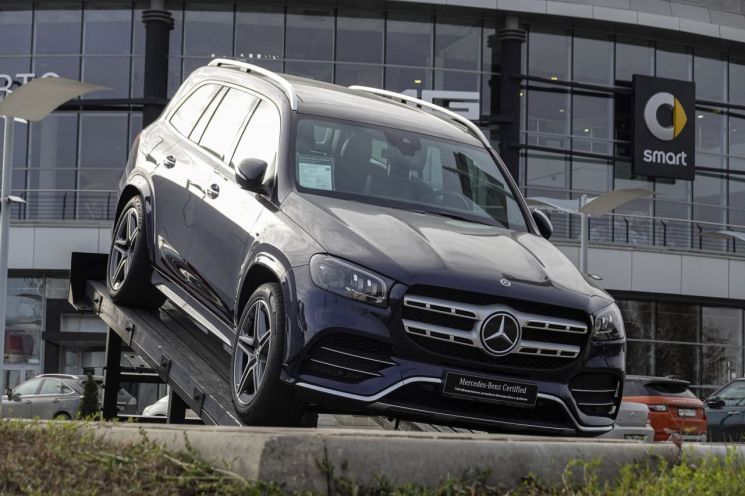
The small SUV GLA sold about 21 units monthly on average from January to November this year, but in December alone, 862 units were sold. The GLC 300 coupe model, which sold 60 units in November before discounts, increased more than fourfold to 280 units in December.
Discounting vehicle prices is seen as a win-win for consumers, who reduce their expenses, and dealers, who can clear inventory. However, the industry agrees that excessive discounts and sales competition to meet short-term targets cause greater losses in the mid to long term. Due to the discount magnitude, used car prices have dropped, leading to increased complaints from recent new car buyers. As of the first week of January, the average price of imported used cars fell by about 1.73% compared to the previous month, with Mercedes-Benz models experiencing larger declines (E-Class -2.88%, GLE-Class -2.60%).
In China, Tesla recently lowered new car prices by up to 8.8 million KRW this month, a roughly 20% reduction over several months, prompting hundreds of existing owners to visit showrooms and protest collectively. In Korea, Volkswagen Group Korea, which initially said there would be no large-scale year-end discounts until the second half of last year, faced backlash from existing buyers after conducting large-scale discounts around December.
There are also criticisms that such actions not only lower brand value and loyalty but are not entirely positive even for short-term performance. This month, as discount rates decreased by several million KRW, there is a trend of buyers postponing purchases to March or June. This reflects expectations that discounts will be larger at the end of a quarter or half-year when performance is settled.
An industry insider said, "Excessive incentives and aggressive sales competition may seem good at first like morphine, but ultimately they muddy the market and negatively affect distribution order."
© The Asia Business Daily(www.asiae.co.kr). All rights reserved.

![Clutching a Stolen Dior Bag, Saying "I Hate Being Poor but Real"... The Grotesque Con of a "Human Knockoff" [Slate]](https://cwcontent.asiae.co.kr/asiaresize/183/2026021902243444107_1771435474.jpg)















