The Football Passion of 'Oil Money': Why It Boosts National Brand Competitiveness and Takes the Form of Proxy Wars Among Middle Eastern Royal Families
"I do not want to play for football teams in the United States, Qatar, or Dubai. I want to retire with dignity."
This is what Cristiano Ronaldo (37) said in an interview with a foreign media outlet in 2013. At that time, already considered one of the best football players in the world, he wanted to finish his career in the European leagues, where many prestigious clubs compete.
However, on the 31st of last month (local time), Ronaldo left Manchester United, where he had been playing, and signed with Al Nassr, a football team in Saudi Arabia. Various speculations have arisen about why he moved his career from Europe to the Middle East, but a huge salary is also considered a key factor. Ronaldo's salary at Al Nassr is ?175 million (approximately 273 billion KRW).
There are remarks that even the best football players find it hard to resist 'oil money.' Although the global performance of Middle Eastern football teams is relatively poor, regardless of results, players on these teams enjoy luxurious salaries, benefits, and training facilities.
The interest of oil money in football is not limited to domestic football teams. Middle Eastern countries also fiercely compete in acquiring prestigious European football clubs. Why does the Middle East have such a strong passion for football?
Money earned from selling resources becomes 'ammunition' to support football
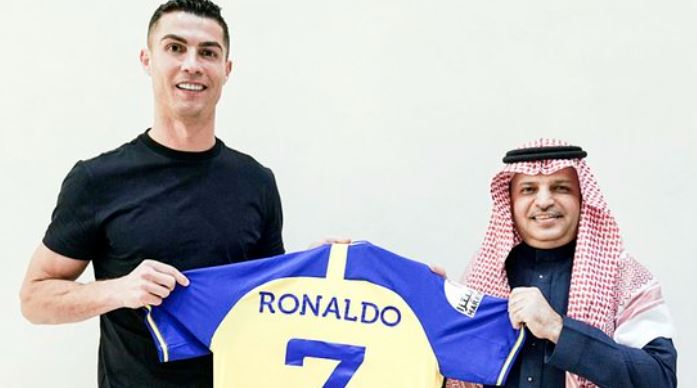 Cristiano Ronaldo (37, left), who signed with Saudi Arabian club Al Nassr FC / Photo by Al Nassr Twitter capture
Middle Eastern football receives support from their respective governments. For example, the Qatari government established the 'Qatar Sports Investments (QSI) Fund' in 2005 and has aggressively invested in domestic and international football teams.
Qatar also spent astronomical amounts to host the '2022 Qatar World Cup,' and the king, a key figure in sovereign wealth funds including QSI, is even the owner of the prestigious European club Paris Saint-Germain.
Middle Eastern royal families create sovereign wealth funds based on assets accumulated from resource businesses such as oil, and a significant portion of these funds is invested in acquiring football teams.
The Saudi fund once invested $400 million (approximately 508 billion KRW) in the English team Newcastle United, and another prestigious team, Manchester City, was acquired by Sheikh Mansour, a businessman from the United Arab Emirates (UAE) royal family.
Middle East raises its status through football team investments

Why are Middle Eastern countries such as Saudi Arabia, Qatar, and the UAE so enthusiastic about investing in football? The 'brand value' of prestigious football teams is a factor for investment. According to football market analysis company 'Football Benchmark,' the value of football teams in the UK, France, and other countries rose by about 9% in 2019 alone, and each club's operating profit improved by 65%.
This is thanks to the increased international interest in European professional leagues. Sovereign wealth funds can receive greater returns in the future by investing large sums in promising football teams.
It also helps enhance national branding. UAE's airline 'Emirates Airlines' has been able to promote Middle Eastern companies and brands by appointing prestigious football teams such as Arsenal and Manchester City as exclusive ambassadors.
Saudi Arabia, UAE, Qatar, etc. also show 'royal family competition' dynamics
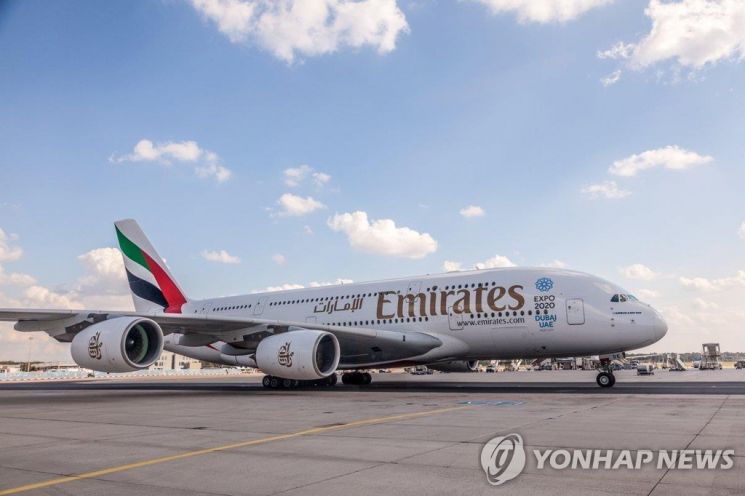 The United Arab Emirates (UAE) airline, Emirates, also appoints prestigious European football teams as ambassadors. / Photo by Yonhap News
There are also claims that the competition to acquire football teams in the Middle East reflects a 'proxy war' among royal families of each country.
Heza Barzani of the Atlantic Council, a Washington-based international relations think tank, pointed out in an article last April that the activation of football investment in Middle Eastern countries started in Saudi Arabia. After seeing the Saudi royal family attempt to improve relations with Europe through football team investments, other royal families jumped in, leading to a competitive dynamic.
Barzani explained, "Saudi Arabia, which was criticized for issues such as the murder of journalist Jamal Khashoggi and human rights abuses, was able to rebrand itself in the West through football team investments, and also compete economically with rival countries such as the UAE and Qatar. As the political and economic rivalry among Gulf countries intensifies, their entry into the football market will continue."
© The Asia Business Daily(www.asiae.co.kr). All rights reserved.



















