Complete Export Ban from June Next Year
Concerns Over Aluminum Price Surge Transmission
Korea's Low Export Share Minimizes Ripple Effect
[Asia Economy Reporter Lee Ji-eun] The Indonesian government announced that it will impose a complete ban on the export of bauxite, a raw material used for aluminum, starting June next year. Indonesia ranks fifth in the world in bauxite reserves, and a price surge and other shocks are expected in the international raw materials market. However, since South Korea imports only a small amount from Indonesia, significant impact is not anticipated.
Indonesia Bans Bauxite Exports
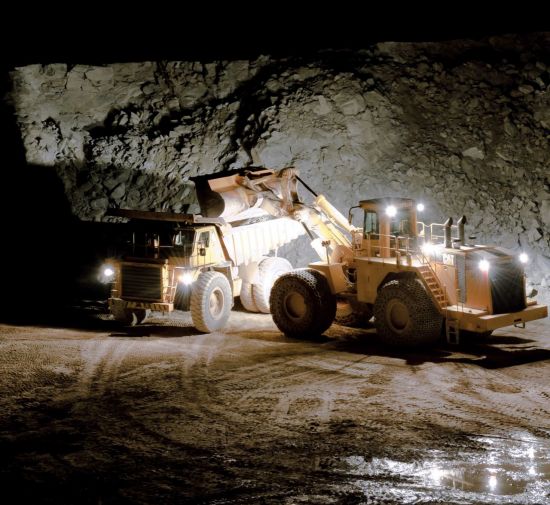
According to Bloomberg on the 21st (local time), Indonesian President Joko Widodo stated in a presidential palace announcement, "To promote the domestic bauxite processing industry, we will ban the export of raw bauxite ore starting June next year."
President Joko Widodo explained, "The government is striving to develop the domestic natural resource processing and refining industry," adding, "Industries based on Indonesia's natural resources will continue to develop."
Indonesia's ban on raw bauxite ore exports aims to complete the vertical integration of the industry from raw ore to refining and processing. According to statistics from the U.S. Geological Survey, Indonesia holds the fifth largest bauxite reserves in the world. Additionally, 95% of its total production is exported.
Limited Impact on South Korea Expected
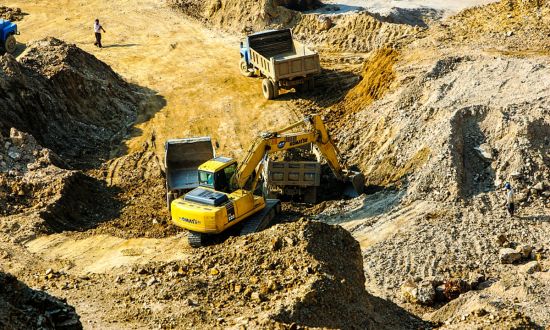
In this regard, domestic mining companies are opposing the measure. Bauxite is an essential aluminum material for electric vehicles and secondary batteries. Due to the recent surge in demand driven by the transition from internal combustion engines to electric vehicles, mining companies have been enjoying a boom, but this measure inevitably poses difficulties in securing performance.
As a 'resource-rich country,' Indonesia has previously restricted raw material exports as needed. Since the end of 2019, it has banned the export of major minerals such as nickel in raw ore form to foster domestic industries. The Indonesian government stated that this decision was made with the goal of transforming Indonesia from a simple raw material exporting country to a finished product exporting country that processes raw materials, thereby creating high added value.
In response, the World Trade Organization (WTO) judged that Indonesia unfairly restricts access to raw materials and violated international export agreements. The Indonesian government immediately opposed this and announced its intention to appeal the WTO ruling.
In South Korea's case, Indonesia's share in bauxite imports is not large, so direct impact is expected to be minimal. According to statistics from KOTRA, South Korea's bauxite import value last year was $33 million, with 69.3% imported from Australia and 29.8% from China. However, if the global price of raw bauxite ore rises due to Indonesia's export ban, aluminum prices and others will also increase, potentially causing damage. After the announcement of Indonesia's export ban, aluminum traded on the London Metal Exchange rose 0.6% from the previous day to $2,386 per ton.
© The Asia Business Daily(www.asiae.co.kr). All rights reserved.


















