[Seoul District News] Gwanak-gu Pharmacies, Restaurants, Cafes, Hair Salons Report Missing Dementia Elderly & Temporary Protection & Establishing a Dense Dementia Safety Network Creating a Safe Environment for Dementia Patients to Live Together... Guro-gu Selects 27 Excellent Job Creation Companies This Year and Awards Certificates... Gangnam-gu Selects 11 Excellent Job Creation Companies This Year... Yongsan-gu Recruiting 1,500 Participants for 2023 Senior Job Project Until the 28th... Seocho-gu's 'All About Seocho - Seocho Shorts Contest' Held Over the Past Month
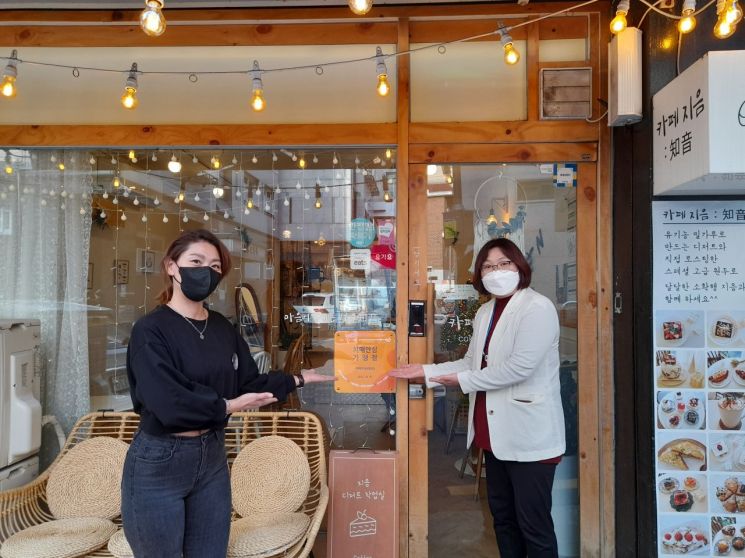
[Asia Economy Reporter Park Jong-il] Gwanak-gu (Mayor Park Jun-hee) restaurants, cafes, and hair salons in the neighborhood are playing a foundational role in creating a dense community safety net by jointly caring for elderly people with dementia.
The district operates the ‘Our Neighborhood Keeper Dementia Safe Franchise’ targeting local stores to create a community environment where residents can live with peace of mind despite dementia.
The ‘Dementia Safe Franchise’ involves members of frequently used stores such as supermarkets, hair salons, restaurants, cafes, and pharmacies receiving dementia partner training. They play a role in temporarily protecting and reporting suspected dementia patients who wander or go missing, handing them over to the police and their guardians.
Additionally, they engage in various activities such as encouraging dementia overcoming efforts, monitoring, improving negative perceptions of dementia, and volunteering to spread a community dementia care culture.
The ‘Dementia Partner’ training consists of understanding dementia and patients, dementia patient response techniques, prevention and early screening, and guidance on dementia safety center services, enabling participants to consider dementia patients and their families and respond actively through dementia-related information.
Currently, Gwanak-gu operates 24 dementia safe franchises including pharmacies, restaurants, cafes, hair salons, and real estate agencies, and plans to continuously expand the ‘Dementia Safe Franchise’ to secure a community dementia safety net.
Applications for dementia safe franchises are open to any sole proprietors whose business registration number’s middle digits are between 01?79 or 90?99. For more details, contact the Gwanak-gu Public Health Center Dementia Safety Center.
Meanwhile, the district operates ‘Dementia Safe Villages’ to help residents correctly understand dementia and create a social environment where dementia patients live together. Five neighborhoods with high elderly population, single elderly, and dementia patient registration rates (Samseong-dong, Euncheon-dong, Nangok-dong, Sillim-dong, Miseong-dong) are maintained and managed as dementia safe villages.
A district official said, “As dementia emerges as a social issue due to rapid aging, community-centered management and awareness improvement efforts are important. We will strive to reduce the burden on dementia patients’ daily lives and their families by expanding and supporting dementia safe franchises and dementia safe villages that care for and manage dementia together in the community.”
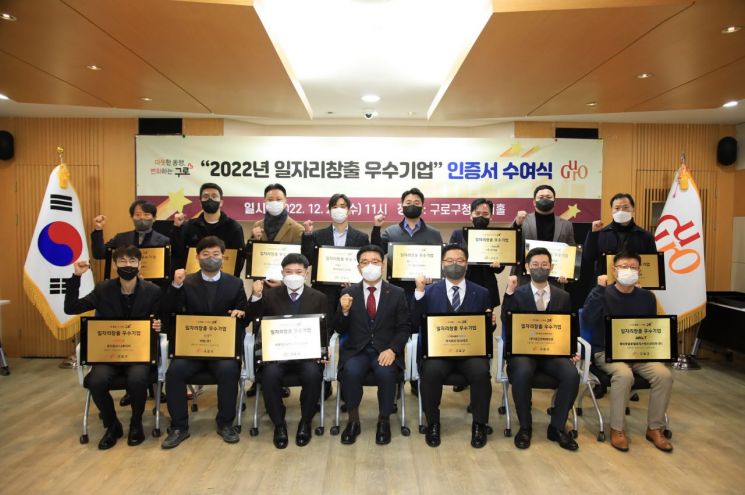
Guro-gu (Mayor Moon Heon-il) held the ‘2022 Job Creation Excellent Company Certification Ceremony’ at the district office’s Creative Hall on the 21st, awarding certificates and plaques to 27 excellent companies.
About 30 people, including Mayor Moon Heon-il and representatives and officials from the excellent companies, attended the event.
The district conducted a public contest last November, comprehensively evaluating employment increase performance and employment environment, selecting 27 companies as excellent companies. The certification period is two years, from this year through 2024.
Certified companies received certificates and plaques in the name of the Guro-gu mayor and can receive various policy supports during the certification period, such as exemption from local tax audits, preferential support for small business loans, and priority purchasing of goods. They are also given preferential treatment when participating in various corporate support projects such as the Small Business Welfare Plus support project and workation support project.
The job creation excellent company certification system was introduced to foster small and medium-sized enterprises in the region and create quality jobs. Guro-gu has selected and certified 39 excellent companies over the past three years.
The district plans to analyze the effects of the certification system, discover new incentives, and gradually expand the scale and scope of support annually.
Mayor Moon Heon-il said, “I thank the businesspeople who are leading the local economy by creating jobs despite difficult internal and external conditions. We will continue to expand support for job creation excellent companies and create a business-friendly environment.”
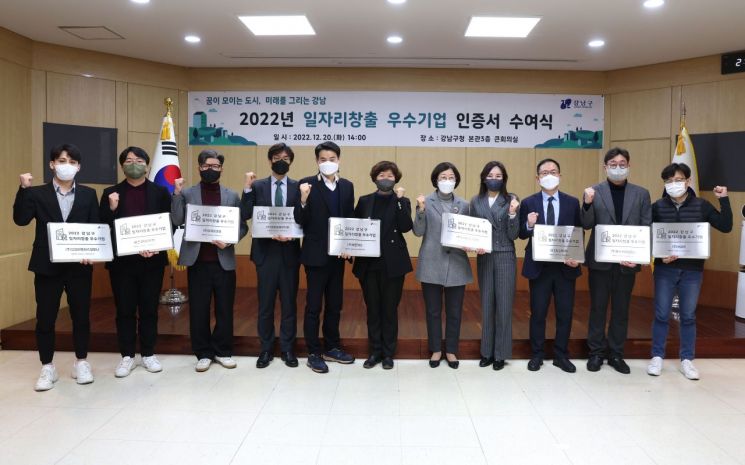
Gangnam-gu (Mayor Jo Seong-myeong) selected 11 excellent companies that contributed to local job creation over the past year and awarded certificates and plaques on the 20th.
The district conducted an open recruitment in October targeting small and medium-sized enterprises located in Gangnam-gu, evaluating employment performance, management stability, and employment environment excellence over the past year (October 2021 to September 2022), selecting a total of 11 excellent companies.
The selected companies are Techville Education, Nears Lab, Adapt, Mesa Cure Company, Ann & K Global, RGB Communications, Seto Works, Eumgil HR, Marketing People, Biz Cube Solution, and Sangsaeng Avengers Company, collectively employing 116 people.
The district awarded certificates and plaques to these companies and provided benefits such as a two-year deferral of local tax audits, preferential selection for small business development fund support projects, and expansion of youth intern recruitment from 3 to 5 people. The selected companies must maintain their employment numbers for two years.
Mayor Jo Seong-myeong said, “I thank the company representatives who worked hard to hire new employees despite the difficulties caused by COVID-19. We will actively promote various job policies that can provide practical help to both companies and residents.”
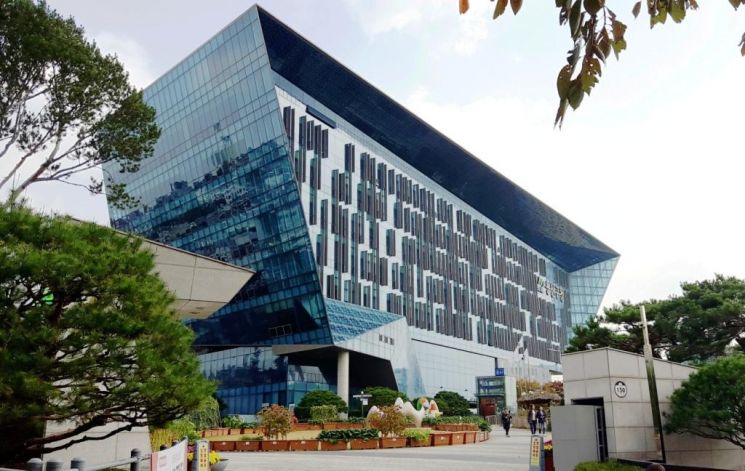
Yongsan-gu (Mayor Park Hee-young) is recruiting 1,500 participants for the ‘2023 Yongsan-gu Senior Job Project’ until the 28th.
The district has invested a total of 6,399.05 million KRW in this project.
The recruitment targets are residents of Yongsan-gu aged 65 or older who are physically able and receiving the basic pension. Depending on the project, those aged 60 or older who are not receiving the basic pension can also participate. The work period ranges from 10 months to 1 year, and the activity allowance (monthly salary) ranges from 250,000 KRW to about 596,000 KRW.
There are 22 project groups in total: 1,073 in public activity type, 279 in social service type, and 148 in market type.
The public activity type includes Our Neighborhood Caretakers (145 people), emotional support and meal delivery for solitary elderly (395 people), elementary school meal and clean helper and school zone traffic safety support (323 people), senior center lunch helpers (120 people), volunteering at public and welfare facilities in the area (55 people), and local environment maintenance such as small parks (35 people). They receive 270,000 KRW per month (for 30 hours per month).
The social service type includes support for childcare facilities (185 people), senior welfare facilities support (29 people), senior health planners (20 people), senior elevator safety teams (35 people), and senior financial work support (10 people). The activity allowance is 594,000 KRW per month (60 hours per month, with separate weekly holiday pay).
The market type includes Silver Nuri Cooperative (118 people) and Recycling Project Group (30 people), selecting residents aged 60 or older who wish to participate. Participants receive a basic monthly allowance of 250,000 KRW (within 8 hours per day) plus additional sales revenue distribution.
To participate in the senior job project, applicants must prepare an application form, consent form for personal information collection and use, resident registration certificate, and bankbook copy, and visit the local community service center and project implementing agency to apply. Some projects require additional submission of a health checkup report (health certificate).
The project implementing agencies are Yongsan-gu Office, Yongsan Senior Welfare Center, Korean Senior Citizens Association Yongsan Branch, Galwol Comprehensive Social Welfare Center, Hyochang Comprehensive Social Welfare Center, and Cheongpa Senior Welfare Center, totaling five locations.
The district will select participants in January next year based on a scoring table, prioritizing those with higher scores. Those receiving livelihood benefits under the National Basic Livelihood Security Act, workplace health insurance subscribers, and those rated for long-term care insurance are excluded.
As of the end of October, the population aged 65 or older in Yongsan-gu was 38,326 (17.2% of the total population), higher than the national average for local governments. Especially, the inclusion of the baby boomer generation in the elderly population has increased the proportion of seniors under 70 compared to five years ago.
A district official said, “Next year, we will newly promote social service-type senior jobs utilizing local resources such as finance, medical care, and public institutions. We will focus all efforts on creating sustainable jobs in line with the increasing trend of active new seniors.”
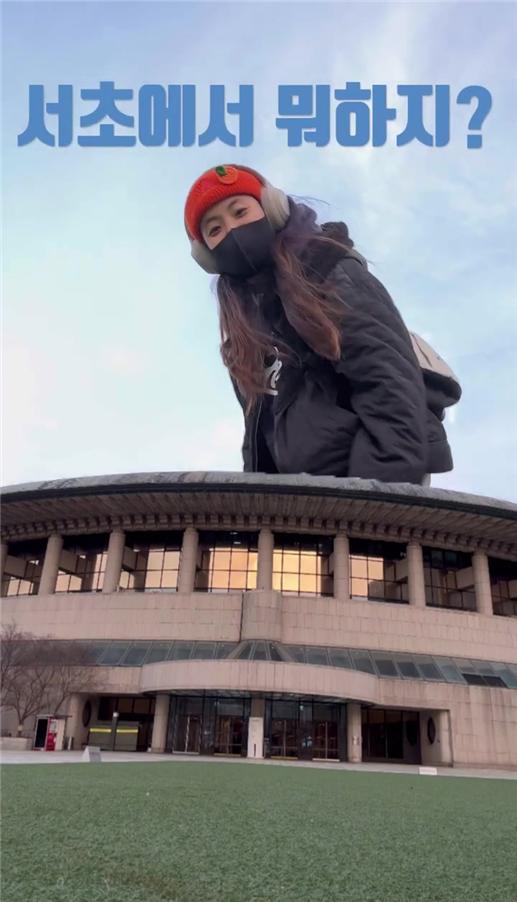
“I wanted to tell people in Seocho who don’t know what to do about five fail-proof hotspots. I visited them all myself, and they were indeed hot spots.”
Kim So-eun (female, 30), the protagonist of the unique 360-degree video ‘What to Do in Seocho’ filmed with lively music in the background, is the grand prize winner of the ‘Seocho Shorts Contest’ hosted by Seocho-gu.
Kim, who is interested in video production, visited and filmed the Seoul Arts Center, Sebitseom, Gotomall, Bangbae-dong Cafe Street, and Yangjae Flower Market herself for this contest.
Kim said, “While making this video, I realized once again that Seocho-gu has many things to enjoy, from art and nature to shopping. With shorts videos being the trend now, I felt proud to promote Seocho-gu with a short but fun video.”
Seocho-gu (Mayor Jeon Seong-su) announced the results of the ‘Seocho Shorts Contest’ held for a month from November 7 under the theme ‘Everything about Seocho.’ About 90 entries were submitted for the 60-second vertical shorts video contest made directly by residents from planning to production. After three rounds of judging, one grand prize winner, four excellence award winners, and a total of 65 winners were selected. The grand prize winner received a prize of 1 million KRW and a certificate.
Videos that depicted Seocho through animation, witty rap and dance won excellence awards, and videos that told stories of life in Seocho from meeting to marriage and parenting were selected for merit awards. Notably, 18 participants aged 50 or older, living up to the reputation of the smart senior group, accounted for about 20% of all participants, with 12 of them winning awards.
The winning works will be posted on Seocho-gu’s official YouTube and other social media and actively used as promotional materials to publicize Seocho-gu domestically and internationally.
Mayor Jeon Seong-su said, “I thank everyone with fresh ideas for their interest and participation. Seocho-gu will continue to expand various resident participation content and create a trend where ‘Seocho-gu promotion is done directly by residents.’”
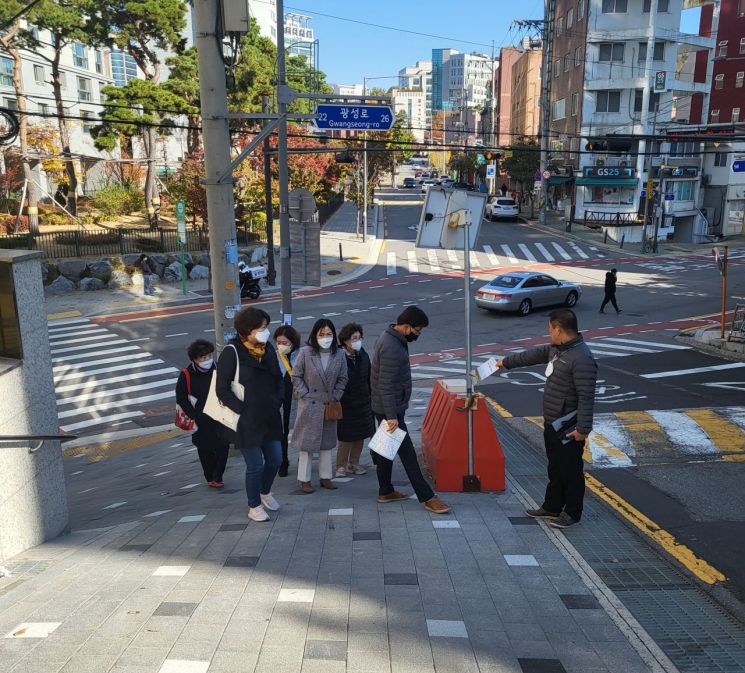
Mapo-gu (Mayor Park Kang-su) is attracting attention by holding a special ‘Neighborhood Meeting’ to understand the value of communication and narrow the physical distance with residents.
Currently, Mapo-gu operates a ‘Field Mayor’s Office’ where the mayor visits the field to listen directly to residents’ difficulties and address their needs, but it is difficult to meet all residents.
Therefore, apart from operating the Field Mayor’s Office, the district held a ‘Street Neighborhood Meeting’ in Sinsu-dong, where the neighborhood community center chief, staff, and residents who know the local issues and residents’ difficulties best directly check and resolve local inconveniences.
The Sinsu-dong Street Neighborhood Meeting was held four times over a month from November, receiving 17 resident complaints. Simple issues that could be handled by the Sinsu-dong community center were answered on-site and immediately addressed, while complaints requiring budget or long-term review were forwarded to relevant departments at the district office for processing.
In addition to listening to resident complaints, the Sinsu-dong Street Neighborhood Meeting identified welfare blind spots such as solitary elderly and recipient households during winter and patrolled vulnerable safety areas to prevent accidents.
A resident A from Sinsu-dong who attended the meeting said, “It was good to see them going out to the streets and checking the site to solve local inconveniences. I hope Mapo-gu continues to listen to residents’ voices.”
The Sinsu-dong Community Service Center plans to regularize the popular street neighborhood meetings, holding them once quarterly to continuously listen to residents’ suggestions and complaints.
Mayor Park Kang-su said, “In the 8th elected term, Mapo-gu will build trust with residents through on-the-ground administration and find the right answers for district management. I hope the Sinsu-dong Street Neighborhood Meeting becomes a helpful tool that effectively addresses residents’ needs.”
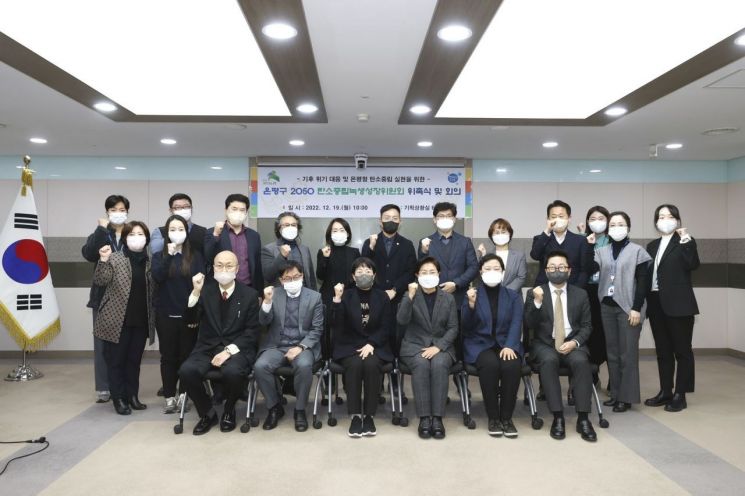
Eunpyeong-gu (Mayor Kim Mi-kyung) announced on the 19th the launch of the ‘2050 Carbon Neutral Green Growth Committee’ to respond to the increasingly important climate crisis.
The ‘2050 Carbon Neutral Green Growth Committee’ is an organization that deliberates and decides on major policies related to the transition to a carbon-neutral society and green growth.
The committee consists of 20 experts in various fields including policy, technology, and citizen participation across seven areas: greenhouse gas reduction (buildings, transportation, renewable energy, resource circulation, carbon sinks), climate crisis adaptation, and citizen practice. Mayor Kim Mi-kyung and a private sector chairperson serve as co-chairs.
The main roles include deliberating and deciding on the basic direction of carbon neutrality and green growth policies, setting carbon neutrality vision and reduction targets, establishing, revising, and implementing basic plans for carbon neutrality and green growth and climate crisis adaptation measures, and monitoring implementation performance.
The committee will also advise on the upcoming greenhouse gas reduction budget accountability system.
Eunpyeong-gu has systematically prepared a carbon neutrality implementation foundation responding to the climate crisis through enacting the Carbon Neutral Green Growth Basic Ordinance, appointing a carbon neutrality implementation officer, establishing the Eunpyeong-type 2050 Carbon Neutral Promotion Plan, and enacting the greenhouse gas reduction budget accountability ordinance.
Mayor Kim Mi-kyung said, “I expect this committee to play a pivotal role as a policy control tower to realize the district’s 2050 carbon neutrality goal in this era of climate crisis.”
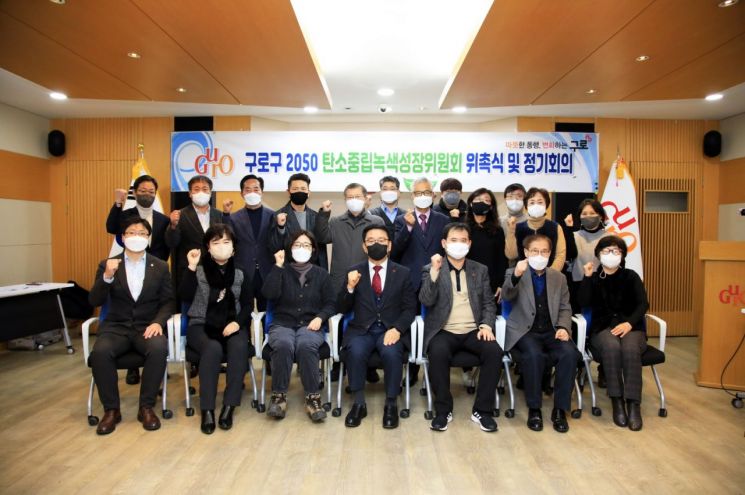
Guro-gu (Mayor Moon Heon-il) held the ‘2050 Carbon Neutral Green Growth Committee Appointment Ceremony’ to concretize the ‘2050 Carbon Neutral Basic Plan.’
Guro-gu stated, “We are establishing the ‘2050 Carbon Neutral Basic Plan’ to quickly respond to the climate crisis and realize carbon neutrality. To systematically promote detailed projects afterward, we formed the Carbon Neutral Green Growth Committee and held the appointment ceremony on the 16th.”
‘Carbon neutrality’ means making the net greenhouse gas (carbon) emissions zero by absorbing as much as is emitted.
The district aims to reduce emissions by 40% by 2030 and 100% by 2050 based on the 2018 local greenhouse gas emission levels.
The basic plan will establish 45 detailed projects across seven areas: buildings, energy, transportation, sinks, waste, citizen cooperation, and institutional improvement.
To professionally promote detailed projects by sector, the district formed the 2050 Carbon Neutral Green Growth Committee. The committee deliberates and decides on the basic policy direction for carbon neutrality and green growth, annual detailed projects, and unit projects suitable for local characteristics and conditions.
At the appointment ceremony held at the district office’s Creative Hall, 24 members including Mayor Moon Heon-il, experts, civic groups, and environmental organizations received appointment letters and elected the chairperson and vice-chairperson. They then discussed the current status and future direction of Guro-gu’s carbon neutral green growth basic plan.
The district plans to implement detailed projects such as converting existing and new buildings to zero energy, expanding renewable energy, promoting eco-friendly vehicles, restoring ecological streams, reducing single-use products and increasing recycling culture, and climate crisis response education and campaigns residents can practice in daily life.
A Guro-gu official said, “As the importance of responding to the climate crisis grows, the Guro-gu Carbon Neutral Green Growth Committee will do its best to prepare appropriate measures for local conditions. We ask residents for much interest and participation.”
© The Asia Business Daily(www.asiae.co.kr). All rights reserved.



















