Only Plenary Sessions Live-Streamed, Standing Committees and Inspections in the Dark... Criticism for Ignoring Public's Right to Know
Parliament Explains "Lack of Consensus, Effectiveness Likely Low Compared to Budget Investment"
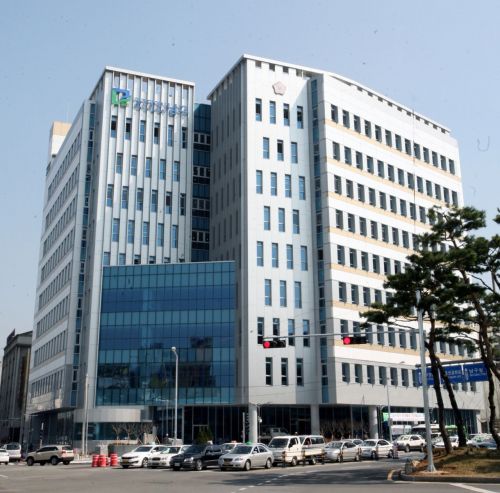
[Asia Economy Honam Reporting Headquarters Reporter Park Jin-hyung] The Nam-gu Council of Gwangju Metropolitan City is showing a passive attitude toward disclosing legislative activities, raising concerns about a lack of communication and empathy with residents.
Despite one of the council's important functions being to check and monitor the executive branch, it has consistently shown a lukewarm attitude toward live broadcasting most meetings, fueling ongoing concerns about so-called "dark meetings."
If residents miss the "live broadcast" timing of the plenary session or if the meeting is not broadcast live, they must rely on minutes or video minutes posted up to several months later.
This makes it difficult for residents to easily access information on whether local council members are properly performing their role of checking the executive branch on various platforms.
The residents' right to know is not being properly guaranteed, which could foster political apathy and other side effects, and there are many opinions that this situation may be causing a missed opportunity to raise the level of legislative activities.
In one local council in another region, a different scene unfolded after implementing YouTube live broadcasts.
During regular sessions, extraordinary sessions, and audit seasons, the council building's lights were brightly lit even at 1 to 2 a.m., a time when most people were asleep.
Because the live broadcast cameras were rolling, council members entered "study mode" to avoid asking subpar questions to the executive branch that might invite ridicule.
In fact, in Gwangju Buk-gu Council, the only one among five local councils that conducts YouTube live broadcasts, the frequency of members' speeches reportedly increased sharply compared to before.
A Buk-gu Council official analyzed, "Perhaps because family, acquaintances, and voters are watching in real time, members tend to prepare much more than in the past."
Following the Gwangju City Council, Buk-gu Council recently established such a live system, leading to predictions that it would influence other local councils as well.
However, contrary to expectations, the 2023 budget proposal for Nam-gu Council did not include related funding.
An official from another region with a fully equipped live broadcast system said, "Depending on the extent of broadcasting equipment, about 3 million KRW was invested."
This amount is about 7% of the 38.2 million KRW allocated for overseas travel expenses for Nam-gu council members.
A political insider commented on the cause of the closed attitude despite the potential to increase contact with residents and raise public profiles, saying, "Especially first-term council members seem to be afraid of standing in front of the camera."
He analyzed, "They seem to feel burdened due to a lack of legislative experience and fear of public embarrassment."
A Nam-gu Council official explained, "It has not been long since we started live broadcasting plenary sessions, and a consensus among members for live broadcasting all meetings has not yet been formed. Above all, we judge that the effect is not significant compared to the budget investment."
© The Asia Business Daily(www.asiae.co.kr). All rights reserved.

















