Four Zygomatic Bones Fractured and Fixed Surgery
"Endured Taking Only Tylenol During Drug Test"
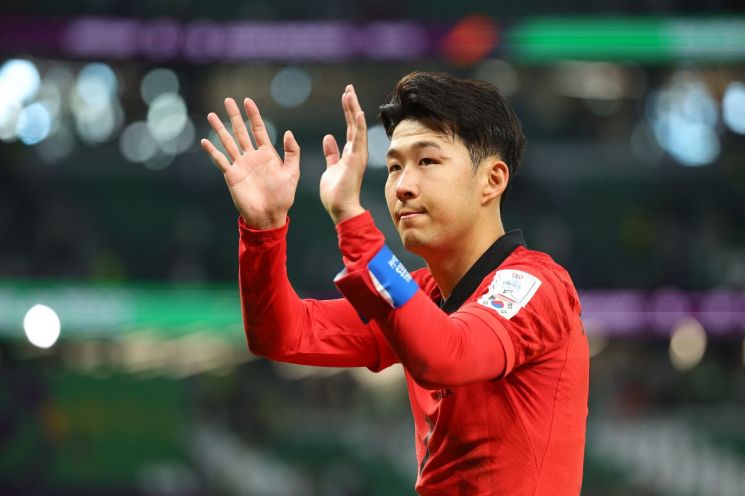
[Asia Economy Reporter Lee Isul] The fighting spirit of footballer Son Heung-min (30, Tottenham), who served as the captain of the South Korean national team at the 2022 Qatar World Cup, is being talked about. This comes as Dr. Wang Junho, an orthopedic surgeon at Samsung Seoul Hospital and Son's attending physician, mentioned his health condition and said, "His will was so strong that it was difficult to stop him."
According to Dr. Wang, who appeared on YTN's 'News Rider' on the 8th, Son Heung-min suffered an orbital fracture injury after colliding with an opposing player during a UEFA Champions League (UCL) match with his club on the 2nd of last month. Because of this, his participation in the World Cup held a month later was uncertain.
After undergoing surgery, Son Heung-min joined the World Cup matches as captain wearing a facial mask and led the national team to the round of 16. South Korea recorded 1 win, 1 draw, and 1 loss against Uruguay (0-0), Ghana (2-3), and Portugal (2-1), respectively, advancing as the second place in the group stage. They achieved their initial goal of reaching the round of 16.
Son Heung-min and the national team returned home through Incheon International Airport on the 7th. The atmosphere at the airport was different from the 2018 and 2014 World Cups. Numerous fans gathered at the site, cheering for the players.
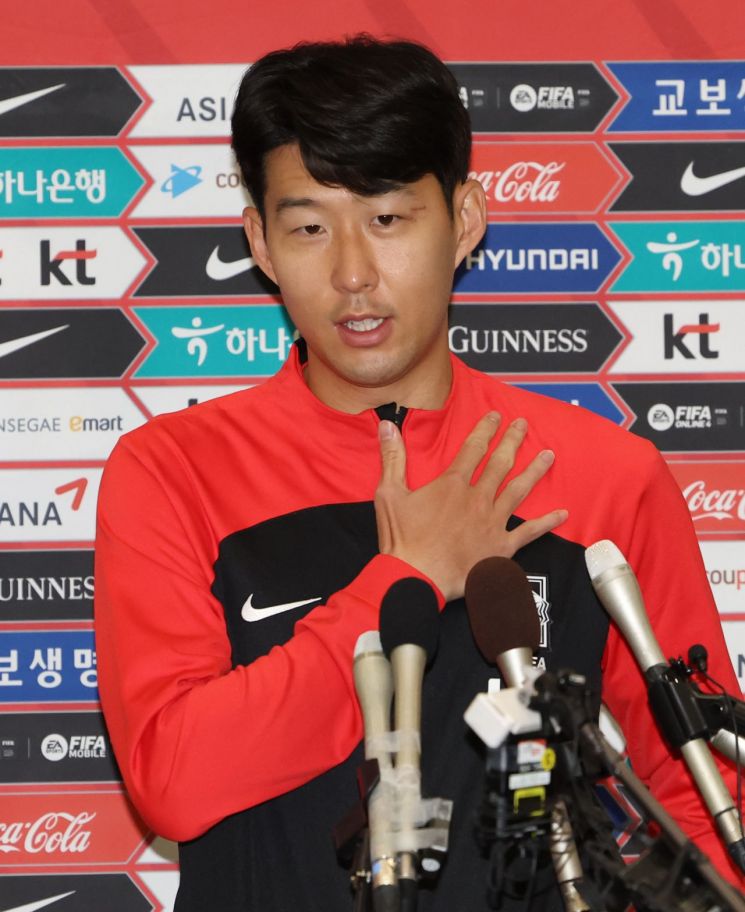
Dr. Wang said, "Son Heung-min had fractures in four places on his facial bones, including the cheekbone, and underwent surgery to fix three of them," adding, "Fortunately, the surgery went well, and the ophthalmologist was worried about possible aftereffects such as diplopia (double vision), but it seems he recovered without symptoms, which is a relief."
Son returned to the field less than three weeks after the surgery. Regarding this, Dr. Wang said, "Son Heung-min's will was strong, and his heart for the people was strong, so it was difficult to stop him," and "I asked Son about his profession, but fortunately, he said there was no pain while playing." He added, "Usually, after surgery, narcotic painkillers or strong medications are used for 2 to 4 weeks, but due to doping and drug tests, he only used one dose during anesthesia on the day of surgery and took only the weakest type of painkiller, a Tylenol-type medication, enduring the pain."
Dr. Wang also said, "As a doctor, playing a match less than three weeks after surgery is unthinkable," and "When he headed the ball, my heart dropped, but fortunately, everything ended well without any problems." He expressed concern, saying, "Even if there are no aftereffects now, I hope he visits the ophthalmologist again for a check-up when he has time."
© The Asia Business Daily(www.asiae.co.kr). All rights reserved.


















