Legally Binding Pandemic Agreement Established... Draft Discussions to Begin from February Next Year
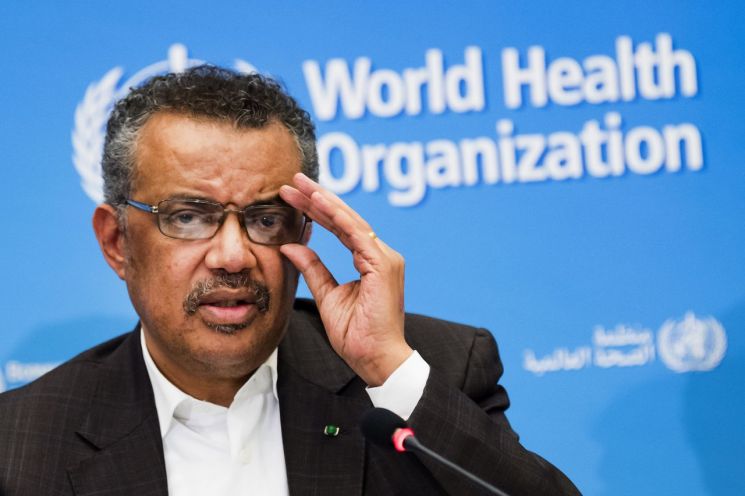
[Asia Economy Reporter Kim Junran] The World Health Organization (WHO) has decided to create an international agreement to address health emergencies similar to COVID-19. This move is interpreted as a reflection on the millions of lives lost and astronomical health costs caused by the inadequate response during the early stages of the COVID-19 pandemic.
On the 8th (local time), WHO announced in a press release that, with the consent of its 194 member countries, it will establish a legally binding pandemic agreement. Accordingly, the 194 member countries will form an Intergovernmental Negotiating Body (INB) and begin discussing the specific contents of the agreement based on a preliminary draft called the "Zero Draft" starting in February next year. The target date for the agreement’s establishment is expected to be in the first half of 2024.
WHO explained that the pandemic agreement will include essential measures and responses that the international community must follow to respond quickly and effectively to infectious disease pandemics like COVID-19. To ensure rapid action and cooperation from each country when infectious disease risks arise, WHO will be granted stronger authority and responsibilities. The agreement is also expected to include provisions to strengthen preventive experimental and detection activities in preparation for potential outbreaks.
In particular, the agreement will plan to ensure fair access for all countries worldwide to treatments, vaccines, related pharmaceuticals, and disease information. Additionally, it will discuss measures to support procedures that allow emergency medicines to be approved quickly, as well as systems or methods to secure the substantial funds needed for infectious disease responses.
The establishment of this agreement has been promoted amid a strong international consensus to prevent the massive damage caused by the COVID-19 pandemic from recurring. Although COVID-19 first emerged in China at the end of 2019, the pandemic was not declared until March of the following year, leading to ongoing criticism of the international community’s inadequate initial response to the disease.
Differences in countries’ responses to the pandemic were also identified as a major issue. While some countries were able to quickly procure treatments and vaccines, many others were not. There was also a significant gap in access to disease-related information, with some countries able to obtain it easily and others not, resulting in a wide disparity in countries’ disease response capabilities.
Precious Masoso, co-chair of the INB established to draft this agreement, emphasized, "We must never forget the impact the COVID-19 pandemic has had on our lives and economies. To avoid repeating the past, countries that have pledged solidarity and equity must come together in the spirit of unity to create an agreement that protects societies from the threat of infectious diseases."
© The Asia Business Daily(www.asiae.co.kr). All rights reserved.

![Clutching a Stolen Dior Bag, Saying "I Hate Being Poor but Real"... The Grotesque Con of a "Human Knockoff" [Slate]](https://cwcontent.asiae.co.kr/asiaresize/183/2026021902243444107_1771435474.jpg)















