[Asia Economy Reporter Lee Ji-eun] Starting from June next year, the use of 'international age' will be standardized in private law relations and administrative fields.
On the morning of the 7th, the National Assembly's Legislation and Judiciary Committee held a plenary meeting and approved partial amendments to the Civil Act and the Framework Act on Administration, clearly stipulating the use of international age.
The amendments are expected to pass the plenary session of the National Assembly scheduled for the 8th and 9th. The amendments will take effect six months after promulgation. Currently, the age under the law is principally calculated based on international age according to the Civil Act, but in daily life, age is considered to start at one year old from the day of birth and increases by one each year, known as 'Korean age.' Some laws use 'year age,' calculated by subtracting the birth year from the current year.
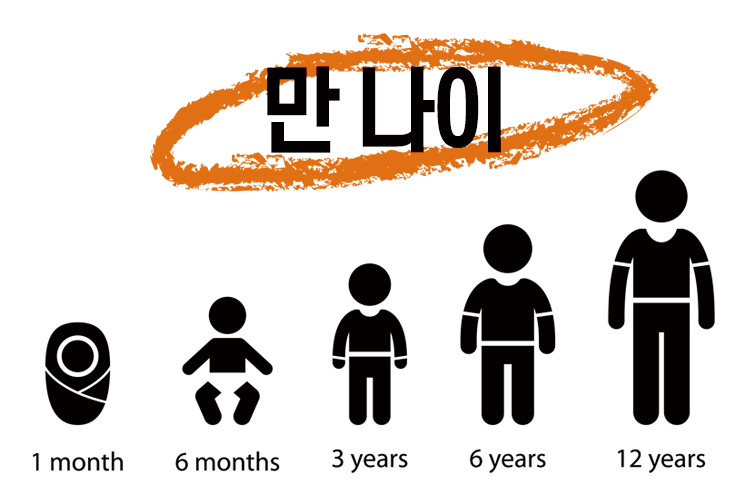
There have been frequent concerns that these differences in age calculation and representation methods could cause confusion in providing administrative services such as social welfare and healthcare. The partial amendment to the Civil Act passed at the plenary meeting specifies that the date of birth is included in age calculation and that age should be expressed in international age. However, if less than one year has passed since birth, age may be expressed in months.
The amendment to the Framework Act on Administration stipulates that, when calculating age in administrative fields, unless otherwise specified by other laws or regulations, age should be calculated and expressed in international age including the date of birth. Similarly, if less than one year has passed since birth, age may be expressed in months.
© The Asia Business Daily(www.asiae.co.kr). All rights reserved.

















