[Asia Economy Reporter Yujin Cho] The strike by the U.S. railroad union was nullified by congressional intervention. Concerns over economic difficulties led to bipartisan consensus in both the House and Senate, resulting in the passage of a bipartisan agreement.
According to the Wall Street Journal (WSJ) on the 1st (local time), the U.S. Senate voted on a bill to enforce an agreement preventing the railroad strike, passing it with 80 votes in favor and 15 against.
The bill was rapidly processed just one day after passing the House on the 30th of last month and being sent to the Senate. It will take effect after President Joe Biden signs it.
WSJ reported that this measure is expected to end the long-standing dispute between the railroad union representing 115,000 workers from 12 railroad companies including Union Pacific and CSX, and the management.
The U.S. Congress has constitutional authority to regulate interstate commerce and can enforce an agreement between labor and management in the event of a railroad strike.
The bill voted on that day enforces a tentative agreement prepared by labor and management under White House mediation in September. The tentative agreement includes a 24% wage increase over the next five years and an annual bonus of $1,000 (approximately 1.32 million KRW at the current exchange rate).
However, the Senate rejected provisions related to paid leave. The Senate held a separate vote on paid sick leave but failed to reach the minimum 60 votes, with 52 in favor and 42 against.
The railroad union had demanded 15 days of paid sick leave when the tentative agreement was reached, but the agreement only included an additional one day of personal paid leave. The House separately voted on a plan to provide seven days of paid sick leave.
The swift votes in both the House and Senate were due to strong demands from President Biden. Before the House vote, President Biden met with congressional leaders including House Speaker Nancy Pelosi, Senate Majority Leader Chuck Schumer, Senate Minority Leader Mitch McConnell of the Republican Party, and House Minority Leader Kevin McCarthy to urge the passage of legislation to prevent the railroad union strike.
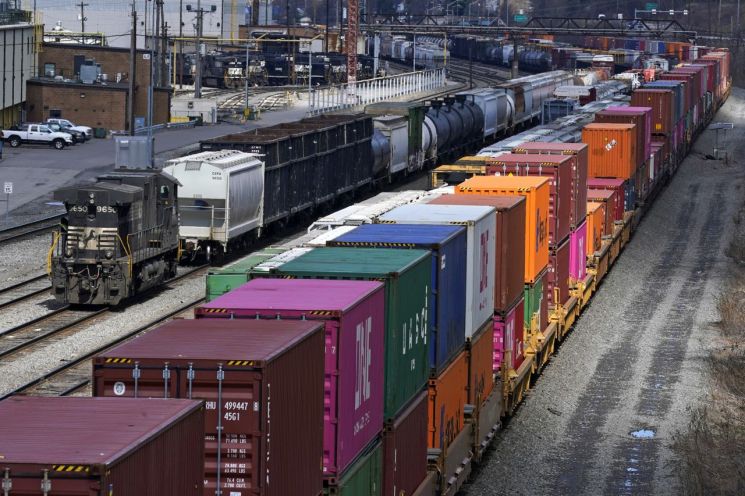
Concerns were raised that if a railroad strike materialized ahead of the year-end shopping season, supply chain disruptions would worsen drastically, dealing a fatal blow to inflation, which is at its highest level in 40 years. In the event of a railroad union strike, about 30% of U.S. freight shipments would be paralyzed, with estimated daily losses reaching $2 billion.
© The Asia Business Daily(www.asiae.co.kr). All rights reserved.
![User Who Sold Erroneously Deposited Bitcoins to Repay Debt and Fund Entertainment... What Did the Supreme Court Decide in 2021? [Legal Issue Check]](https://cwcontent.asiae.co.kr/asiaresize/183/2026020910431234020_1770601391.png)















