Naver Webtoon and Kakao Entertainment Bring Domestic BM to North America
Focusing on Expanding Global Profitability Ahead of IPO
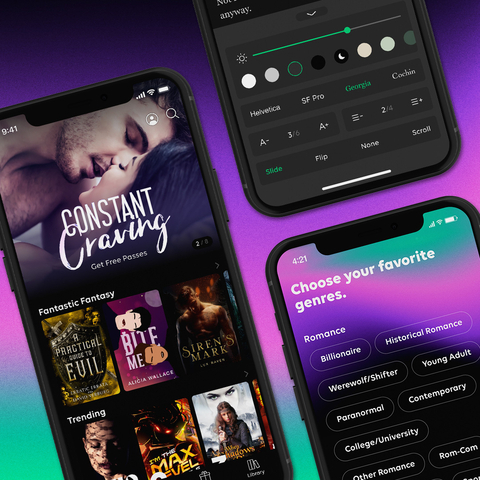
[Asia Economy Reporter Yuri Choi] Naver and Kakao are transplanting Korean-style business models (BM) into North American webtoon and web novel platforms. This is to increase profitability in overseas markets by applying the know-how that succeeded domestically. They are moving beyond just popularizing domestic works overseas to applying the business models as well.
Kakao Introduces Samdamu to Tapas... Naver Applies Domestic BM to Yonder
According to the IT industry on the 1st, Kakao Entertainment has applied 'Samdamu' to the North American webtoon platform Tapas since the end of last month. Samdamu is a service that selects popular works and offers them for free every 3 hours. Following its first introduction to domestic webtoon and web novel services in September, it has now been introduced to the North American platform.
Kakao Entertainment applied 'Gidamu (free if you wait)' when it acquired Tapas and the North American web novel platform Radish last year. Gidamu, which shows works for free at regular intervals, is a representative business model that brought external growth to Kakao Entertainment's content business. By evolving this into Samdamu, they have expanded it to the North American platform. They plan to first introduce it to some works based on domestic intellectual property (IP) and then consider expanding its application.
Naver recently applied its domestic business model to 'Yonder,' a premium web novel platform launched in the U.S. Yonder is a platform that offers verified works from web novels serialized on Wattpad, which Naver acquired last year, as paid content. Works discovered and gaining popularity or with high literary quality on Wattpad, where amateur writers gather, are showcased on Yonder.
This is a revenue model that Naver has successfully implemented domestically. In Korea, standout works from 'Challenge Manhwa' or 'Challenge League,' where anyone can upload works, are promoted to official serialization on Naver Webtoon, web novels, or Naver Series. Officially serialized works require purchasing 'Cookies,' a paid currency, to view. On platforms where creators and users gather, the model secures IP and monetizes promising works to increase profitability. A Naver Webtoon official explained, "We created a value chain that attaches business models to good works on a creator-centered platform and leads to webtoons or web novels, and we have applied this know-how."
Naver Webtoon and Kakao Entertainment Ahead of IPO... Challenge to Secure Global Profitability
Embedding verified business models into North American platforms aims to increase profitability in overseas markets. Although Naver Webtoon and Kakao Entertainment have aggressively pursued overseas expansion through mergers and acquisitions (M&A), they have not avoided losses. Both companies are preparing for IPOs and need to improve profitability to increase corporate value.
Naver Webtoon recorded a loss of 21.8 billion KRW in the U.S. in the second quarter of this year. The monthly active users (MAU) in the U.S. are 12.5 million, and the paying users (PU) number 540,000. The proportion of paid users is about 4%, lower than the domestic rate of 26%. On the other hand, ARPPU (average revenue per paying user) is higher in the U.S. at 13,000 KRW compared to 9,000 KRW in Korea. This indicates there is more room for monetization and greater growth potential than in the Korean market.
Kakao Entertainment also faces the challenge of securing profitability in the North American market. While it succeeded in establishing overseas bases by acquiring Tapas and Radish, financial burdens have increased due to investments in M&A and marketing. Last year, the two companies recorded a combined operating loss of 23.5 billion KRW but are pushing for profitability enhancement and cost efficiency. Accordingly, they expect to achieve profitability in the entire global market next year.
© The Asia Business Daily(www.asiae.co.kr). All rights reserved.

















