First Statistics on Stillbirth Cases
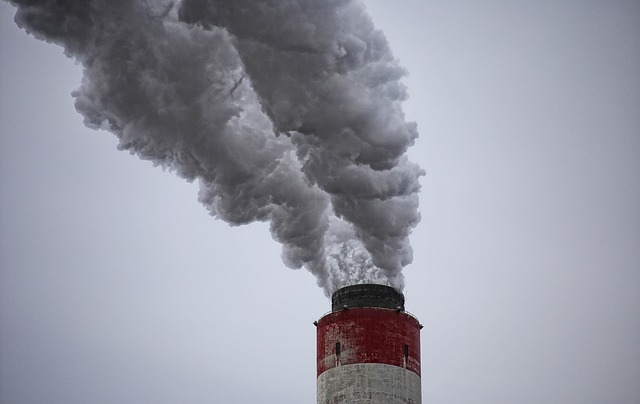
[Asia Economy Reporter Yoon Seul-gi] A study has found that approximately one million fetal stillbirths worldwide occur annually due to air pollution.
On the 29th (local time), according to the British daily The Guardian, a research team led by Dr. Tao Xue of Peking University in China analyzed statistics on over 45,000 cases of stillbirths, normal deliveries, and air pollution from 137 low- and middle-income countries (LMICs) across three continents?Asia, Africa, and Latin America?including Pakistan, India, and Nigeria, from 1998 to 2016. The results showed that the number of fetal stillbirths reached about one million per year.
Among these, approximately 500,000 stillbirths were mainly affected by exposure to ultrafine pollutants smaller than 2.5 micrometers (μm, one-millionth of a meter), which are emitted when burning fossil fuels.
The Guardian reported that although it was known that polluted air could increase the risk of stillbirth, this is the first time statistics on the number of stillbirths have been published. However, the study did not investigate how small particles cause stillbirths.
Dr. Tao Xue pointed out, "Reaching the air quality targets set by the World Health Organization (WHO) could prevent a significant number of stillbirths," adding, "Current stillbirth prevention efforts focus on improving medical services, overlooking environmental risk factors." The research team also advised pregnant women to protect themselves from air pollutants by wearing masks, installing air purifiers, and limiting outdoor activities.
The study results were published in the latest issue of the international academic journal Nature Communications.
Meanwhile, last month, a study revealed that harmful particles inhaled by pregnant women can reach the fetus's lungs, liver, and brain through the placenta. Researchers from the University of Aberdeen in Scotland and Hasselt University in Belgium explained that toxic particles such as black carbon penetrate the fetus's organs via the placenta when polluted air is inhaled. Black carbon is a type of soot found in car exhaust and is considered a major component of ultrafine dust.
© The Asia Business Daily(www.asiae.co.kr). All rights reserved.

















