Issuance of Work Commencement Orders During Medical Strikes in 2000, 2014, and 2020
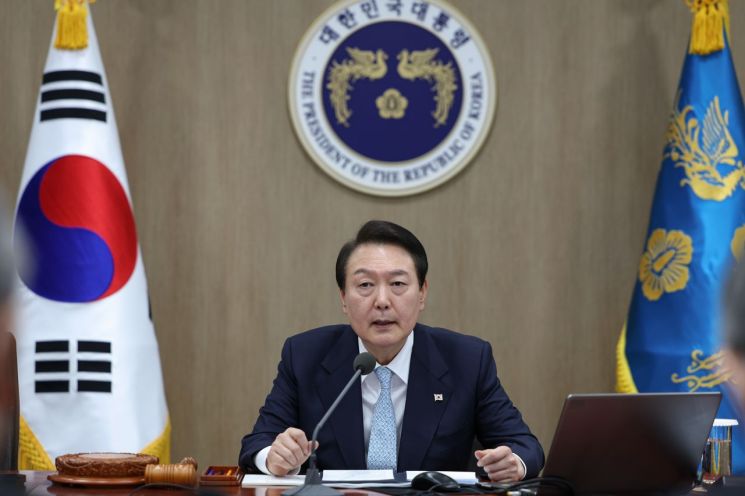
[Asia Economy Reporter Ki-min Lee] On the 29th, the Presidential Office rebutted the labor unions and opposition parties criticizing the government's issuance of a work commencement order against the Cargo Solidarity as "forced labor," stating that "misleading people into thinking it is 'forced labor' will not be persuasive to the public at all."
The Presidential Office stated in a notice distributed to the press corps that afternoon, "There have been precedents where the government issued 'work commencement orders' to protect the public."
Regarding this, the Presidential Office said, "'Collective refusal of cargo transportation' holds the national economy and people's livelihoods hostage and even takes away jobs from other more vulnerable workers. The government had no choice but to take necessary measures according to law and principles."
It added, "In the three cases of 'collective medical refusal' in 2000, 2014, and 2020, the government at the time issued 'work commencement orders' to doctors considering the negative impact on public health and healthcare."
The medical community staged general strikes opposing the separation of prescribing and dispensing in 2000, telemedicine in 2014, and the expansion of medical school quotas and establishment of public medical schools in 2020. The governments at those times were the Kim Dae-jung administration, Park Geun-hye administration, and Moon Jae-in administration, respectively, and all three governments issued work commencement orders to the medical community.
Furthermore, the office emphasized, "If collective refusal of goods or services causes severe damage to public health or the livelihood economy, the damage will directly affect the people," adding, "'Work commencement orders' were introduced during the Participatory Government to prevent such damage."
© The Asia Business Daily(www.asiae.co.kr). All rights reserved.
![Clutching a Stolen Dior Bag, Saying "I Hate Being Poor but Real"... The Grotesque Con of a "Human Knockoff" [Slate]](https://cwcontent.asiae.co.kr/asiaresize/183/2026021902243444107_1771435474.jpg)
















