"Preventing indiscriminate disposal is positive for environmental protection"
"Won't change significantly... concerns over quality issues"
Distribution stage and consumers must also comply with storage methods
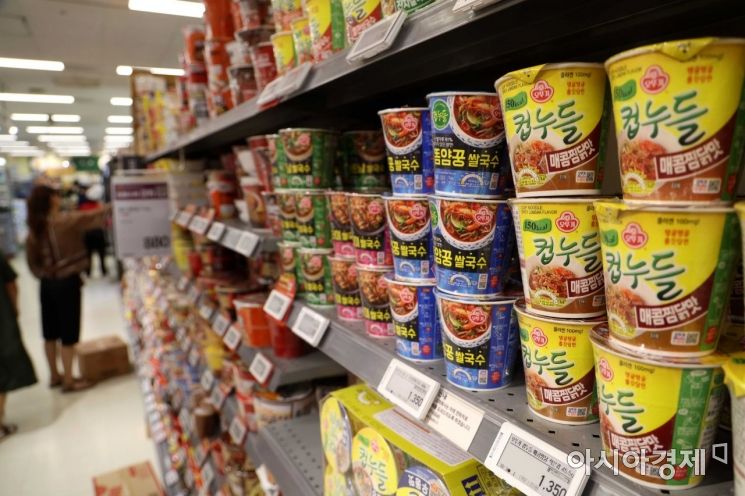
[Asia Economy Reporter Song Seung-yoon] The industry is experiencing a mix of anticipation and concern regarding the implementation of the consumption date labeling system starting next year. While the extension of the sales period offers the advantage of easier inventory management, there are also growing worries about an increase in complaints related to product spoilage. Overall, the prevailing opinion is that there will be no significant immediate changes.
According to the distribution industry on the 29th, busy movements are underway regarding the consumption date labeling system set to be enforced from January 1 next year. Large retail channels such as hypermarkets generally welcome the change. A representative from a major hypermarket said, "There is a positive response as inventory management becomes easier, but we expect complaints about product spoilage to occur during the initial phase of setting the consumption date."
The food and beverage industry is divided between expectations of positive effects and doubts about the system's effectiveness. Primarily, the system aims to provide consumers with information on the period during which consumption is possible, preventing confusion and clearly indicating the safe consumption period. Additionally, if the system becomes established, it is expected to help preserve the environment in the long term by preventing the indiscriminate disposal of products with short shelf lives. Companies also benefit by reducing the energy consumed during production and distribution processes, thereby easing their burden.
On the other hand, many companies are expected to simply change the labeling from the existing expiration date to the consumption date without extending the period during the initial phase. Since consumers are sensitive to this aspect and there is a possibility that product quality or taste may change if the consumption date is extended, the main opinion is that companies will apply the system cautiously at first. Accordingly, most plan to sequentially apply the consumption date after confirming that there are no quality changes in each product category. Even if the sales period is extended, consumer behavior is not expected to change significantly, so there will likely be little difference in terms of price or inventory.
A food industry official stated, "We are carefully reviewing whether there are any food safety issues and are making every effort to ensure product quality is maintained with the system's implementation. However, even if the labeling changes to the consumption date, the absolute period will not be longer than the current expiration date."
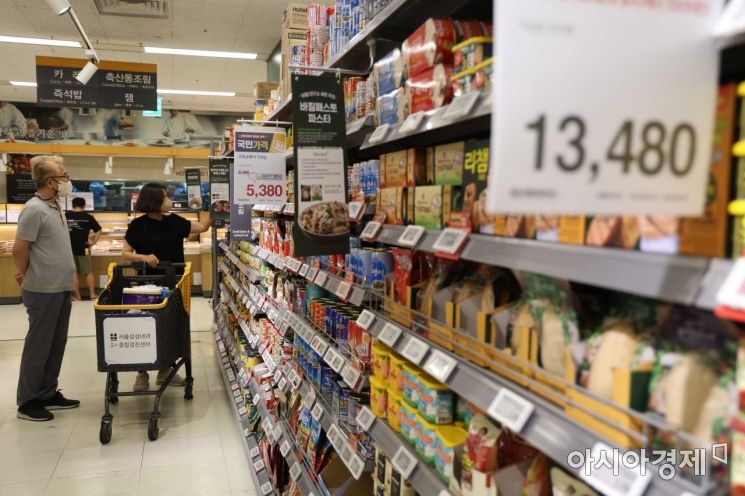
In fact, some companies have already switched from expiration dates to consumption dates on their labels. Since the first half of this year, SPC Group has been conducting a pilot project to label the consumption date on most products produced by SPC Samlip, such as castella and bread. In accordance with the Ministry of Food and Drug Safety's recommendations, products adopting the consumption date early are also announced on their website. SPC plans to actively consider reflecting the consumption date labeling system in advertising and marketing to help consumers recognize it well. CJ CheilJedang is also already implementing consumption date labeling mainly on new products such as bread items like 'Gourmet Geomeong Mozzarella Cheese Hot Dog' and soup dishes like 'Bibigo Special Seolleongtang.'
From a corporate perspective, an increase in complaints due to product spoilage within the extended storage period caused by consumption date labeling is also a concern. Not only during distribution and consumption stages but also consumers must store products at the recommended temperature to reduce the possibility of spoilage. Another food industry official explained, "Ahead of the system's implementation, we are checking by brand whether changes in taste or quality occur due to the date change. However, for products labeled with consumption dates that are refrigerated or frozen, there is concern about quality changes if storage temperatures are unintentionally not maintained during distribution or at home."
Professor Lee Eun-hee of Inha University's Department of Consumer Studies said, "Until now, even when the consumption period remained, the expiration date was often perceived as the day the product must be discarded, leading to food waste. The introduction of the consumption date system is expected to resolve this issue. However, since there are concerns about spoilage during distribution, to establish the system, it is necessary for the entire distribution industry, especially small and micro enterprises, to proactively inspect the distribution structure such as refrigeration conditions."
© The Asia Business Daily(www.asiae.co.kr). All rights reserved.


















