Domestic Market Size 2017: 500 Billion KRW → 2021: 1.5 Trillion KRW
From Large Corporations like Amorepacific and LG Household & Health Care to Pharmaceutical Companies Join Forces
[Asia Economy Reporter Moon Hyewon] Recently, as consumer interest in various skin diseases such as hair loss, atopy, and acne has increased, the related functional cosmetics market, known as ‘dermocosmetics,’ is rapidly growing. Not only the cosmetics industry but also pharmaceutical companies are entering the market, intensifying competition.
According to the industry on the 21st, the domestic dermocosmetics market grew about twofold from 500 billion KRW in 2017 to 1 trillion KRW in 2019, then expanded to 1.2 trillion KRW in 2020 and 1.5 trillion KRW in 2021.
‘Derma’ is an abbreviation of Dermatology, meaning skin science. Dermocosmetics are functional cosmetics, also called ‘pharmacy cosmetics.’
Hair dyeing for gray hair and white hair, once considered exclusive to people in their 50s and 60s, has attracted great interest from younger consumers in their 20s and 30s, leading to rapid growth in the hair loss-related market. Additionally, after COVID-19, skin troubles such as acne caused by mask-wearing have increased, further boosting the consumption of high-functional cosmetics.
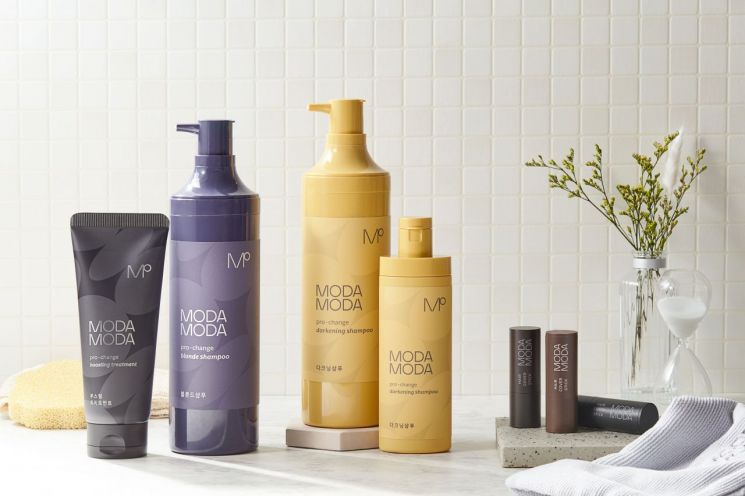
The most notable product among these is Modamoda’s ‘browning shampoo,’ Prochange Darkening Shampoo. This gray hair care shampoo, launched by Modamoda last year, sold over 1.5 million bottles in less than a year, surpassing 30 billion KRW in sales. It does not use harsh hair dyes from salons, permanent or temporary dyes, or artificial tar pigments found in other dye shampoos. Instead, it darkens gray hair through a ‘natural browning phenomenon’ using natural polyphenols extracted from seaweed, attracting high interest not only from consumers in their 40s and 50s but also from younger consumers in their 20s and 30s concerned about hair loss and gray hair.
Modamoda’s browning shampoo was originally developed as a niche market product for people who cannot dye their hair due to skin allergies to hair dyes or illnesses such as cancer. The developer, Professor Lee Haesin, a distinguished professor in the Department of Chemistry at KAIST, once revealed that he started development for his mother, who could not dye her hair due to hair dye allergies.
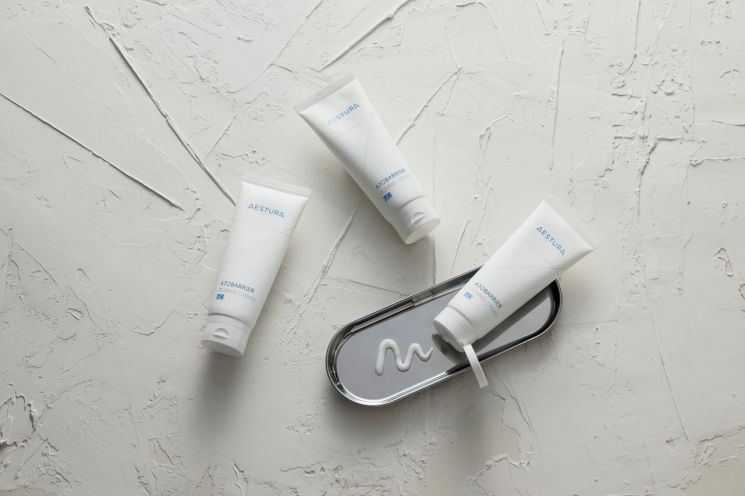
The atopic skin disease-related cosmetics market is also continuously growing. According to the Health Insurance Review and Assessment Service, there are currently 1.3 million children and adolescents with atopic dermatitis in Korea. According to the Journal of the Korean Society of Industrial and Engineering Chemistry, the domestic atopy improvement cosmetics market is expected to increase from 43 billion KRW in 2017 to 53.2 billion KRW in 2024.
Domestic cosmetics companies are putting great effort into developing and launching products that can alleviate atopic dermatitis symptoms.
For example, Amorepacific absorbed and merged its subsidiary Estra in September to actively foster its dermocosmetics brand. Estra is a dermocosmetics brand based on hospital and clinic distribution.
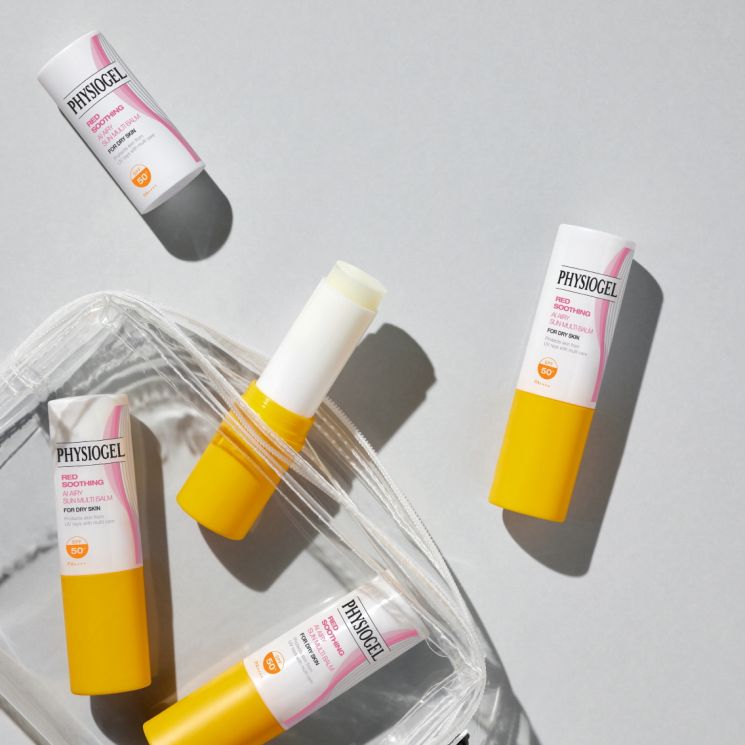
LG Household & Health Care acquired CNP Laboratory in 2014, followed by Taiguk Pharmaceutical in 2017 and the Asian and North American business rights of Physiogel in 2020. This year, it also changed its business purpose related to pharmaceuticals at the shareholders’ meeting. Reflecting the change from medical supplies to medical devices under the old Medical Device Act, it revised its business purpose to include manufacturing, processing, sales, repackaging, and import of pharmaceuticals, active pharmaceutical ingredients, quasi-drugs, and medical devices.
Not only cosmetics companies but also pharmaceutical companies capable of applying core technologies used in drug production are entering this market one after another.
Dongkook Pharmaceutical made a mega-hit product by launching ‘Madeca Cream,’ reminiscent of its product Madecassol, and followed up with ‘Centellian24’ and ‘Expert Madeca Mela Capture Ampoule,’ creating a sensation. The Expert Madeca Mela Capture Ampoule is a highly concentrated premium ampoule that helps improve melasma, blemishes, freckles, and pigmentation. Launched in 2019, it surpassed 10 million bottles in cumulative sales by May this year.
An industry insider advised, “It is important to use functional cosmetics that help improve symptoms to prevent a vicious cycle where secondary skin diseases occur, as itching, allergies, eczema, and psoriasis cause persistent pain and significant discomfort in patients’ daily lives, and to focus on practical improvement.”
© The Asia Business Daily(www.asiae.co.kr). All rights reserved.



















