Washington University School of Medicine Analyzes 6 Million Infected, Reinfected, and Uninfected Individuals
Reinfected Patients Have 3 Times Higher Risk of Lung and Heart Diseases... 60% Increased Possibility of Neurological Disorders
Some Researchers Point Out Limitations of Data Collected by Veterans Affairs, Which Includes Many Elderly with Underlying Conditions
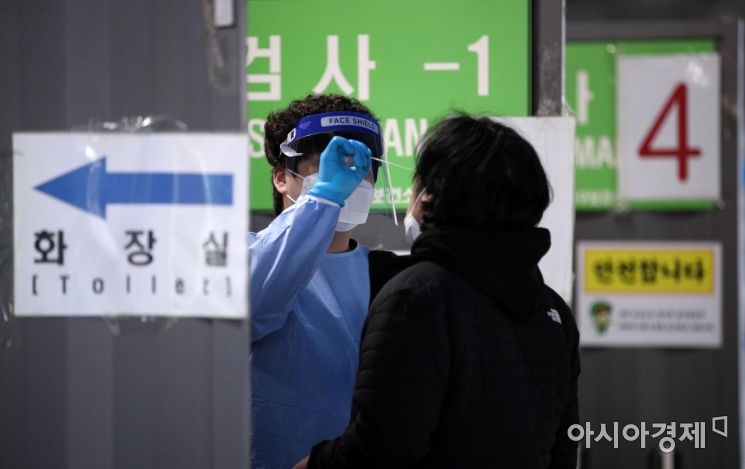
[Asia Economy Reporter Yoon Seul-gi] A study has found that reinfection with COVID-19 increases the risk of death or severe illness by 2 to 3 times compared to the first infection, regardless of vaccination status.
According to foreign media on the 11th, the University of Washington School of Medicine analyzed data from about 6 million COVID-19 infected individuals, reinfected individuals (two or more times), and uninfected individuals in the U.S. collected by the U.S. Department of Veterans Affairs (VA). The study revealed that reinfected patients have more than twice the risk of death and more than three times the risk of hospitalization compared to those infected for the first time, regardless of COVID-19 vaccination status.
The research team analyzed records of 443,588 COVID-19 infected patients, 40,947 reinfected patients, and 5.3 million uninfected individuals from March 1, 2020, to April 6, 2022.
The study found that reinfection is associated with higher risks for lung, heart, blood, kidney, diabetes, mental health, bone and muscle, and neurological diseases. Reinfection patients were more than three times as likely to develop lung diseases, three times as likely to develop heart diseases, and 60% more likely to develop neurological diseases compared to those infected once.
This phenomenon was most pronounced within 28 days after reinfection and persisted even after six months. In addition to increased risks of death and severe illness, the research team analyzed that reinfection also raises the risk of acute conditions and long COVID (long-term aftereffects of COVID-19).
The research team stated that even individuals vaccinated after natural infection cannot reduce health risks upon reinfection. Although there are differences in severity and fatality rates among COVID-19 variants such as Delta, Omicron, and BA.5, the increased risk upon reinfection is consistently observed.
However, experts not involved in the study pointed out that since the research is based on VA data, which includes many elderly patients with underlying conditions, it may not reflect the general population. John Moore, professor of microbiology and immunology at Weill Cornell Medical College in New York, noted, "Patients at VA medical facilities are generally older, sicker, and predominantly male."
Professor Ziyad Al-Aly, the lead researcher, warned, "Even if you have had a previous infection and have been vaccinated, you are still vulnerable to adverse outcomes upon reinfection," urging ordinary people not to underestimate reinfection and become complacent. The study results were published in the international academic journal Nature Medicine.
© The Asia Business Daily(www.asiae.co.kr). All rights reserved.

















