[Asia Economy Reporter Song Hwajeong] # Mr. A, a self-employed person in his 50s, took out a loan from a savings bank 7 years ago and failed to repay it. After 7 years, he received a 'payment order' from the court. Mr. A took no action because people around him said the loan's statute of limitations was 5 years, so he did not need to repay it, but his business bank account was seized by a collection agency.
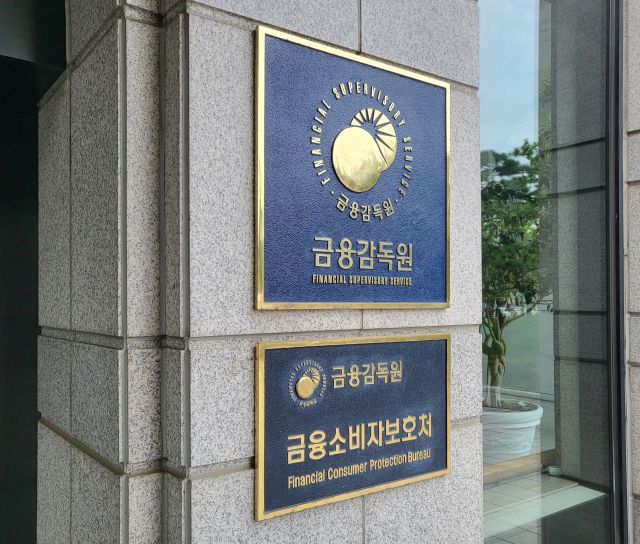
On the 17th, the Financial Supervisory Service analyzed the results of rapid complaint handling in the first half of this year and issued a consumer alert of 'caution' regarding debt collection in the small business and low-income sector.
They urged caution, noting that even for old loans, if the debtor does not claim the completion of the statute of limitations themselves, the statute of limitations may be revived. In Mr. A's case, if he did not claim within the application period to the court that the statute of limitations for the loan claim was completed, under the Civil Procedure Act, the debtor is deemed to have acknowledged the debt by default, and the relevant statute of limitations is 10 years, so it is difficult to consider debt collection actions such as account seizure as unfair. The statute of limitations is not automatically completed over time; the debtor must legally claim the 'completion of the statute of limitations' for it to be recognized. The Financial Supervisory Service explained, "Debtors should not rely solely on their memory but check the completion status of the statute of limitations through the personal credit information viewing service of the Korea Credit Information Services and file an objection to the court that issued the payment order within two weeks from the date of receipt of the court's payment order according to the Civil Procedure Act."
It should also be noted that some lending companies may intentionally delay overdue collection and then claim excessive amounts just before the statute of limitations expires. Just because a lending company did not immediately collect overdue interest does not mean the debt is extinguished, so caution is necessary. In addition, loan claims can be sold between financial companies, and in cases of long-term delinquency, depending on the delinquency period and loan conditions, interest exceeding the principal may have to be repaid, so caution is advised.
To avoid debt collection after the debtor's death, heirs must notify the collection agency of the renunciation or limited approval of inheritance within three months from the date they become aware of the commencement of debt inheritance. If collection continues despite notification of renunciation of inheritance or if financial companies force repayment from the heir's assets, it constitutes a violation of the 'Fair Debt Collection Act,' so complaints can be filed with the Financial Supervisory Service or reports made to investigative agencies for assistance.
Also, if you are suffering damage due to illegal private loans, you can receive help through the 'Debtor Representative and Litigation Lawyer Free Support System.' The Financial Supervisory Service, together with the Korea Legal Aid Corporation, provides free support such as 'debtor representation and litigation' through lawyers affiliated with the corporation to assist victims of illegal collection by lending companies or loans exceeding the legal maximum interest rate.
© The Asia Business Daily(www.asiae.co.kr). All rights reserved.
![Clutching a Stolen Dior Bag, Saying "I Hate Being Poor but Real"... The Grotesque Con of a "Human Knockoff" [Slate]](https://cwcontent.asiae.co.kr/asiaresize/183/2026021902243444107_1771435474.jpg)
















