Impact of Yen Weakness and Rising Commodity Prices
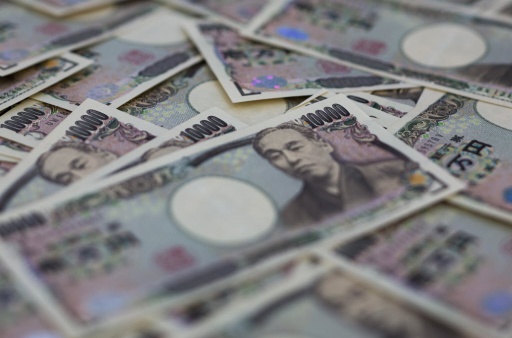 The 10,000 yen bill symbolizing Japan, which is benefiting from the effect of the weak yen.
[Asia Economy Reporter Lee Ji-eun] Japan's current account surplus for the first half of fiscal year 2022 (April to September) recorded the lowest level in eight years. The surplus narrowed due to increased energy-related import costs caused by the weak yen and soaring raw material prices.
On the 9th, Japan's Ministry of Finance announced that the current account surplus for the first half of this year was 4.8458 trillion yen (approximately 45.7584 trillion won), down 58.6% from the same period last year. This is the lowest level in eight years since 2014.
Nihon Keizai reported that the decrease in the current account surplus for this half-year period is the second largest after the 7.1454 trillion yen recorded during the Lehman Brothers crisis in 2008.
By sector, the trade balance recorded a deficit of 9.2334 trillion yen, the largest ever for the first half of the year, reducing the current account surplus. The current account consists of the trade balance (exports minus imports), primary income balance earned from overseas securities investments, and the services balance.
Imports for the first half increased by 47.1% year-on-year to 58.7556 trillion yen due to rising prices of liquefied natural gas (LNG), crude oil, and coal. The Yomiuri Shimbun reported, "The yen-denominated import price of crude oil increased by 91.9% compared to the same period last year, and coal imports increased 3.3 times," adding that "LNG imports rose 2.3 times year-on-year." Exports increased by 21.3% year-on-year to 49.5222 trillion yen, showing a smaller increase compared to imports.
The services balance, including travel and freight transportation, recorded a deficit of 3.1639 trillion yen.
On the other hand, the primary income balance earned from overseas securities investments recorded a surplus of 18.2332 trillion yen, up 25.2% from the same period last year, marking an all-time high. Nihon Keizai explained, "Resource-related businesses performed well, increasing dividends from overseas subsidiaries," and added, "The rise in the yen exchange rate also increased the converted amount of dividends earned from overseas subsidiaries."
The current account surplus for September alone was 909.3 billion yen, down 45.0% from the same period last year. The trade balance and services balance recorded deficits of 1.7597 trillion yen and 343.1 billion yen, respectively, while the primary income balance posted a surplus of 3.2226 trillion yen.
© The Asia Business Daily(www.asiae.co.kr). All rights reserved.
















