"Cancer Prevention Efforts and Improvements in Diagnosis and Treatment Reflected in Results"
South Korea's Cancer Mortality Rate in 2021 Increased by 0.6% Compared to the Previous Year
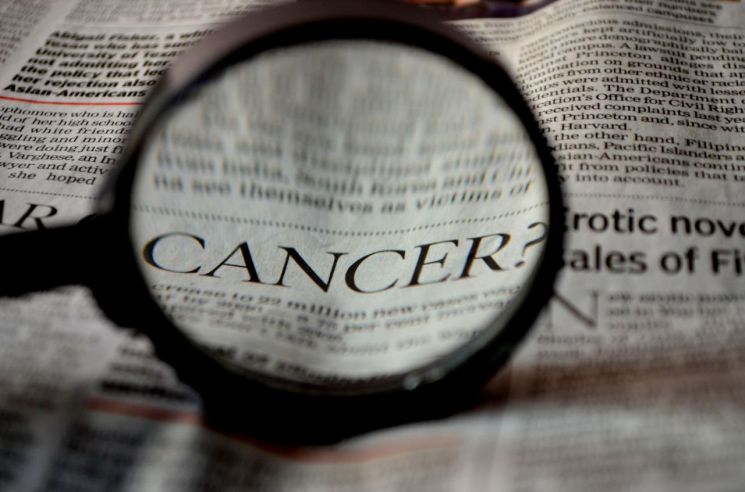
[Asia Economy Reporter Bang Je-il] The smallest unit that makes up the human body is called a cell. Normal cells maintain a balance in their numbers through regulatory functions. However, due to various reasons, changes in the genes of cells can cause them to become abnormal, mature incompletely, and proliferate excessively, which is defined as cancer.
The U.S. National Cancer Institute (NCI) announced that cancer mortality rates in the United States have been steadily declining. According to HealthDay News on the 29th (local time), NCI reported in its annual report that the cancer mortality rate among male and female patients in the U.S. decreased by 2.1% annually from 2015 to 2019. In particular, lung cancer, which carries a high risk of death, saw a 4% annual decrease in mortality, and melanoma, a type of skin cancer, decreased by 5% annually.
The report explained that cancer mortality rates have been continuously declining over the past 20 years, reflecting efforts in cancer prevention as well as improvements in cancer diagnosis and treatment.
However, cancer mortality rates have not decreased across all population groups. Among Hispanics, prostate cancer mortality declined, but it did not decrease among Black and White populations. Among women, breast and colorectal cancer mortality rates decreased. However, breast cancer mortality increased among Native American women, while colorectal cancer mortality remained stable.
Separately from mortality rates, the incidence of new cancer cases has not decreased. From 2014 to 2018, new cases of pancreatic, kidney, and testicular cancers increased among men, while women saw increases in liver cancer, melanoma, kidney cancer, hematologic cancers (lymphoma), pancreatic cancer, breast cancer, oral cancer, and pharyngeal cancer.
The NCI report paid special attention to pancreatic cancer. Pancreatic cancer is difficult to diagnose, and by the time it is detected, it is often at an advanced stage. From 2001 to 2018, the incidence of pancreatic cancer increased by 1% annually, while mortality decreased by 0.2% annually. However, the report interpreted that the survival rate for pancreatic cancer is gradually improving, likely due to advances in treatment.
Regarding this, Beth Collart, president of the North American Association of Central Cancer Registries (NAACCR), commented that both the incidence and survival rates of pancreatic cancer fundamentally show that pancreatic cancer is a dangerous cancer and that it is difficult to diagnose at a stage when treatment is possible.
In South Korea, cancer ranks as the number one cause of death, with lung cancer having the highest mortality rate among cancers. According to the "2021 Cause of Death Statistics" released by Statistics Korea on the 27th, 26.0% of Korean deaths were due to cancer, and the mortality rate increased by 0.6% compared to the previous year.
By cancer type, mortality rates increased for leukemia (11.7%), prostate cancer (7.6%), and uterine cancer (6.3%) compared to the previous year. Mortality rates decreased for stomach cancer (-3.4%), liver cancer (-2.9%), and brain cancer (-2.6%), which were previously known as common cancers among Koreans.
Differences in cancer mortality rates were observed by gender. Among men, lung, liver, and colorectal cancers had the highest mortality rates, while among women, lung, colorectal, and pancreatic cancers ranked highest.
© The Asia Business Daily(www.asiae.co.kr). All rights reserved.

















