A Unique Opportunity to See Everything About Joseon Royal Family's Only Female Ceremony 'Chinjamrye' & What Kind of Garment Was the Gukui (鞠衣) Worn During the Queen's Personal Sericulture Ceremony, Chinjamrye? & The Beauty of Late Joseon Queen's Ceremonial Red Jeokui and Royal Women's Attire Revealed
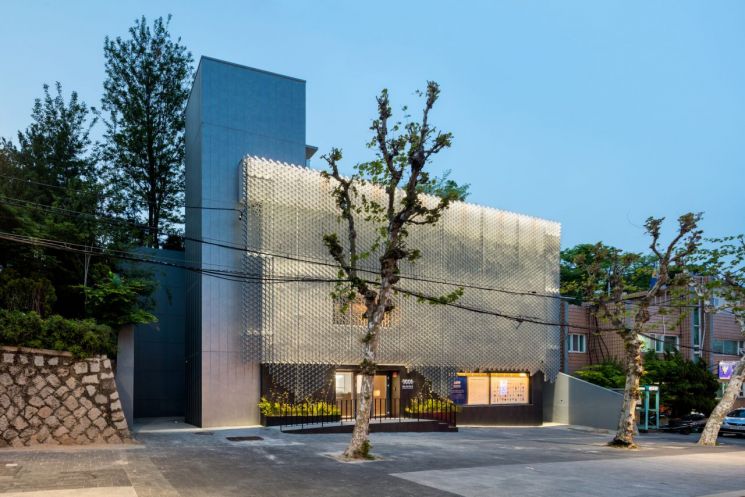
[Asia Economy Reporter Jong-il Park] The Seongbuk Seonjam Museum will hold a special exhibition titled "Joseon Queens and the Chinjam Ceremony" starting on the 28th.
This special exhibition is a joint special exhibition between the Seongbuk Seonjam Museum and the National Daegu Museum, organized to widely promote the beauty of women's rituals and traditional Korean clothing culture.
An opportunity to see everything about the Joseon royal family's only female ritual, the ‘Chinjam Ceremony’ at a glance
During the Joseon Dynasty, the Chinjam Ceremony was the "only royal ritual led by women," where the queen and the inner court ladies directly demonstrated exemplary sericulture and expressed the royal wish for the people's livelihood to be stabilized through the abundance of silkworm farming. The ceremony was presided over by the queen, not the king or officials, and the ritual proceedings were managed by the senior court ladies and other female attendants of the inner court. It was a rare female-led ritual in the Joseon era.
The Joseon-era Chinjam Ceremony (親蠶禮) began in the 8th year of King Seongjong's reign (1477) and was held a total of eight times until the 43rd year of King Yeongjo's reign (1767). During King Seongjong's time, it was not continuously held due to national crises caused by the Japanese invasions and financial issues. In the Jeonghae Chinjam Ceremony held during King Yeongjo's reign after more than 300 years, the queen performed both the Jakheon rite, a sacrificial ritual to the sericulture deity, and the Su-gyeon rite, the ceremony of harvesting cocoons.
Records that confirm the aspects of the Chinjam Ceremony are also exhibited. To prepare for the revival of the Chinjam Ceremony after several centuries of interruption, ritual contents were extracted from the Annals of the Joseon Dynasty and written in large characters in the "Sillok Gochul Chinjam-ui" (held by the Kyujanggak Institute for Korean Studies). Also displayed are the "Chinjam Uigwe" and "Jangjong Su-gyeon Uigwe," commemorating Queen Jeongsun, the second queen of King Yeongjo, and rubbings of inscriptions from the monument commemorating the 1767 Jeonghae Chinjam Ceremony, personally inscribed by King Yeongjo (held by the Academy of Korean Studies Jangseogak). The "Jeonghae Chinjam Monument" is known to have been erected in Gyeongbokgung Palace, and the "Gyeongbokgungdo" painting held by the National Folk Museum of Korea, which depicts the monument, is also exhibited.
Ritual attire of Joseon royal women
This exhibition also features rare royal women's artifacts that are hard to see regularly, including the "Gwanghaegunbi's Jeogori" held by the Haeinsa Seongbo Museum, "Hwasun Ongju Wonsam" and "Geumbak Dangui" from the Korea University Museum, "Sunjeonghyo Hwanghu's attire" from the Oryundae Korean Martyrs Museum, and the "Youngchinwangbi Jokduri" and its storage box from the National Palace Museum of Korea, all of which belonged to queens who performed the Chinjam Ceremony.
Additionally, garments reconstructed based on historical evidence, such as the Gukui (鞠衣) worn by queens as ceremonial robes for the Chinjam Ceremony and the Jeokui (翟衣) from the late Joseon period, are also on display.
© The Asia Business Daily(www.asiae.co.kr). All rights reserved.
![User Who Sold Erroneously Deposited Bitcoins to Repay Debt and Fund Entertainment... What Did the Supreme Court Decide in 2021? [Legal Issue Check]](https://cwcontent.asiae.co.kr/asiaresize/183/2026020910431234020_1770601391.png)















