Spread of Rational Consumption Among MZ Generation
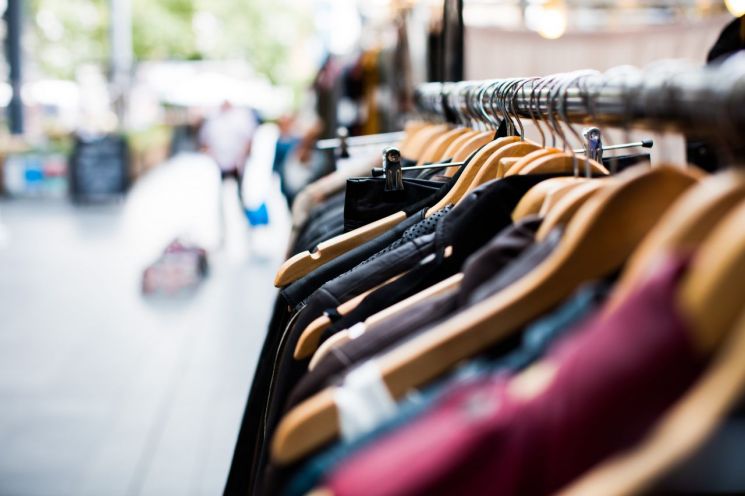
[Asia Economy Reporter Jang Sehee] The ‘minimal life,’ which focuses on minimizing and organizing belongings, is spreading mainly among the MZ generation (Millennials + Generation Z). As the COVID-19 pandemic prolongs and high inflation continues, more young people are trying to make rational consumption choices.
Office worker Choi Siwon (27) said, "Recently, a one-year no-shopping trend has been popular among my friends, so I decided to join," adding, "I started on the 15th of last month, and my goal is to maintain it until September 14 next year." He has decided not to purchase clothes, bags, accessories, or shoes for one year.
The idea is to achieve maximum efficiency with the minimum necessary items for daily life. The one-year no-shopping trend is also gaining popularity. They shared useful tips such as deleting shopping applications, turning off notifications, avoiding overseas direct purchases, and jotting down only what is absolutely necessary.
Park Isul (31), who lives in Dongnam-gu, Cheonan-si, Chungnam Province, said, "Prices have risen so much that it’s even difficult to buy daily necessities," adding, "I bought a few frozen foods, tofu, and beer over the weekend, and it cost 40,000 won. Although my salary has increased slightly, prices for clothes, groceries, and dining out keep rising endlessly, so I decided to practice one-year no-shopping."
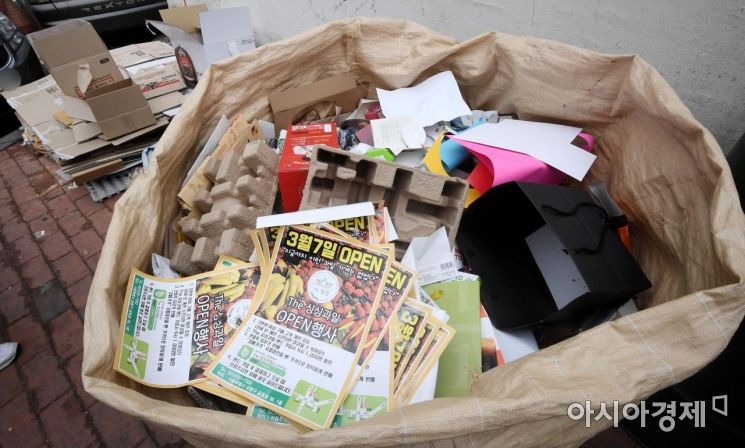 On the 6th, recyclable waste such as packaging boxes piled up at a recycling station in an apartment complex in Seoul. Photo by Hyunmin Kim kimhyun81@
There is also a strong environmental motivation. Choi (29), who lives in Gwangmyeong, Gyeonggi Province, said, "I decided to reduce the number of items that would become waste," adding, "I believe minimal life can help the environment in the long run, so I decided to participate." Lee (30), living in Songpa-gu, Seoul, said, "As the COVID-19 situation has continued for a long time, the concept of home has started to change," adding, "Every Tuesday, I throw away unread books, boxes, and miscellaneous items." Isulha (24), living in Dong-gu, Daegu, said, "I organize the things in my house once a month," adding, "Donating items also allows for year-end tax deductions, so it’s economical," expressing satisfaction with the minimal life.
Professor Lee Eunhee of Inha University’s Department of Consumer Studies said, "The fact that young people felt threatened about survival itself has had an impact," adding, "As high inflation and economic recession continue, phenomena like the minimal life are expected to persist." She also analyzed, "Recently, more young people are trying to practice environmentally friendly lifestyles."
© The Asia Business Daily(www.asiae.co.kr). All rights reserved.
![Clutching a Stolen Dior Bag, Saying "I Hate Being Poor but Real"... The Grotesque Con of a "Human Knockoff" [Slate]](https://cwcontent.asiae.co.kr/asiaresize/183/2026021902243444107_1771435474.jpg)

















