[Asia Economy New York=Special Correspondent Joselgina] As the cold winter approaches, warnings of a so-called 'Triple Pandemic' have begun to emerge in the United States. This is due to the spread of new COVID-19 variants including BQ.1 and BQ.1.1, along with signs of outbreaks of respiratory syncytial virus (RSV) infections and influenza (flu).
According to the New York Times (NYT) on the 23rd (local time), flu cases in the U.S. have started spreading earlier than usual this year and are expected to surge rapidly over the coming weeks. Additionally, the number of children infected with RSV, which causes symptoms similar to flu and COVID-19, has sharply increased over the past month. In some states such as California, Illinois, and Massachusetts, the surge in RSV patients has led to a shortage of pediatric hospital beds.
The NYT reported, "For more than two years during the pandemic, social distancing and mask-wearing helped Americans prevent flu and other respiratory infections, but this winter will be different." It added, "With travel and outdoor activities picking up, COVID-19 cases are expected to rise this winter, and combined with the flu season, there are concerns not only about a twin-demic but also a triple-demic involving RSV."
Since last summer, the number of COVID-19 cases in the U.S. has been declining. However, experts have repeatedly warned about the possibility of a resurgence this winter, mainly due to Omicron subvariants. Rochelle Walensky, director of the U.S. Centers for Disease Control and Prevention (CDC), which oversees epidemic response, also tested positive for COVID-19 last week.
In the U.S., following the BA.5 variant, the BQ.1 and BQ.1.1 variants have been spreading rapidly. Their share of total cases has increased from 3% two weeks ago to 11%. The XBB subvariant, XBB.1, has also been detected in the U.S. The NYT noted that most variants do not appear to cause more severe symptoms than previous viruses but pointed out the lack of tailored vaccines. Pfizer and Moderna’s most recent booster vaccines target the BA.5 variant and do not cover the currently spreading variants.
The flu, which used to send many Americans to hospitals every winter before the COVID-19 outbreak, is also spreading faster than usual this year. Typically, flu season in the U.S. begins in October and peaks between December and February. However, this year, more cases have been reported since August compared to previous years.
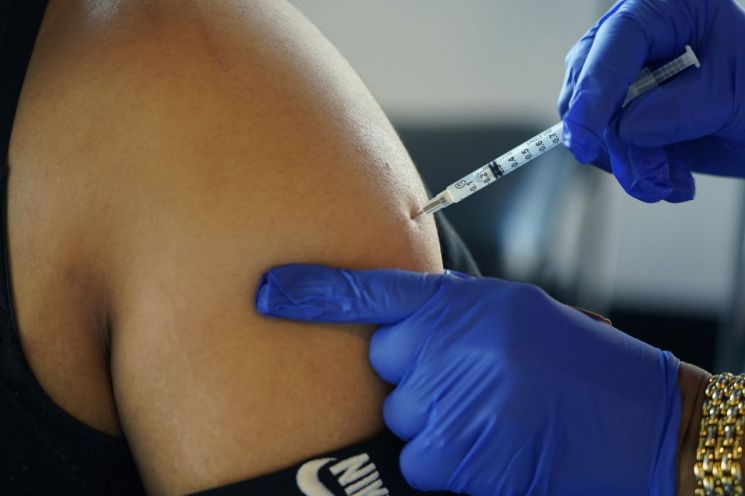
According to the CDC, as of the 8th of this month, the nationwide positive rate for flu tests is about 3%, but some southeastern states have recorded rates above 10%. In New York State, health officials declared earlier this month that the flu is already spreading and urged residents to get vaccinated. The NYT cited CDC analysis showing that flu vaccination rates, which were 75% before the pandemic, dropped to 67% across all age groups last year, suggesting that distrust in COVID-19 vaccines may have extended to flu vaccines.
Experts are particularly concerned that although most infections may cause mild symptoms, the simultaneous spread of COVID-19, flu, and RSV could have significant impacts. Dr. Diego Hijano of St. Jude Children’s Research Hospital warned, "It is still early for flu and RSV to be spreading, so the current spread is very concerning," adding, "It will be a tough winter." Dr. Andrew Reed of Pennsylvania State University also expressed concern, saying, "With the impact of flu and RSV and weakening COVID-19 immunity, we are in uncharted territory."
© The Asia Business Daily(www.asiae.co.kr). All rights reserved.
!["The Woman Who Threw Herself into the Water Clutching a Stolen Dior Bag"...A Grotesque Success Story That Shakes the Korean Psyche [Slate]](https://cwcontent.asiae.co.kr/asiaresize/183/2026021902243444107_1771435474.jpg)
















