[Seoul District News] Mapo-gu Resource Circulation Practice Challenge Team Holds 8-Week Zero Waste Activity Performance Report... Dongjak-gu Conducts 'Saengsaeng Live Commerce' at Traditional Markets and Shopping Districts from 25th... Yangcheon-gu Hosts Live Commerce Linked with Online Platforms at Sinyeong, Moksarang, and Mokdongkkaebi Markets on October 27-28... Eunpyeong-gu Social Economy Enterprises Conduct 'Live Commerce'... Gangdong-gu Promotes Coffee Grounds Recycling Project
[Asia Economy Reporter Park Jong-il] Amid the rapid increase in household waste due to the spread of delivery culture and the surge in online transactions during the COVID-19 pandemic, residents of Mapo-gu are taking the lead in efforts to reduce waste and promote recycling in daily life.
According to statistics from the Ministry of Environment, the amount of waste generated daily in 2020 alone reached approximately 534,000 tons. As concerns over the growing waste crisis increase, discussions on resource circulation have become more active.
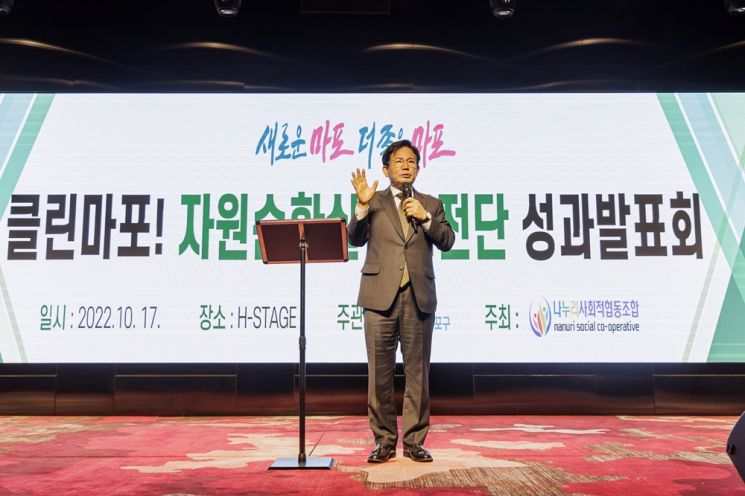
In response, Mapo-gu (Mayor Park Gang-su) announced on the 24th that it operated a resident-participation experiential program called the ‘Resource Circulation Practice Challenge Group’ and held a performance sharing meeting to encourage resident-centered resource circulation practices.
In August, the district recruited a total of 50 teams for the Resource Circulation Practice Challenge Group, held a launch ceremony, and supported them to practice zero waste activities such as reducing single-use items in daily life over an eight-week period.
The challenge group, consisting of single-person households, multi-person households, and small business owners, received education on how to accurately separate recyclable waste and make upcycling products, and put into practice activities such as refraining from using single-use items, ordering less delivery food, and proper waste separation and disposal.
On October 17, a session was held to share the achievements of the resource circulation practice activities so far, where participants shared their impressions of the eight-week practice of 비헹분섞 (emptying, rinsing, separating, and not mixing) and pledged to continue these practices even after the project ends.
At the performance sharing meeting, Park Gang-su, Mayor of Mapo-gu, encouraged the activities of the Resource Circulation Practice Challenge Group, saying, “If we make just a little more effort and practice proper waste separation in daily life, we can significantly reduce the amount of household waste, eliminating the need for additional waste incineration facilities.”
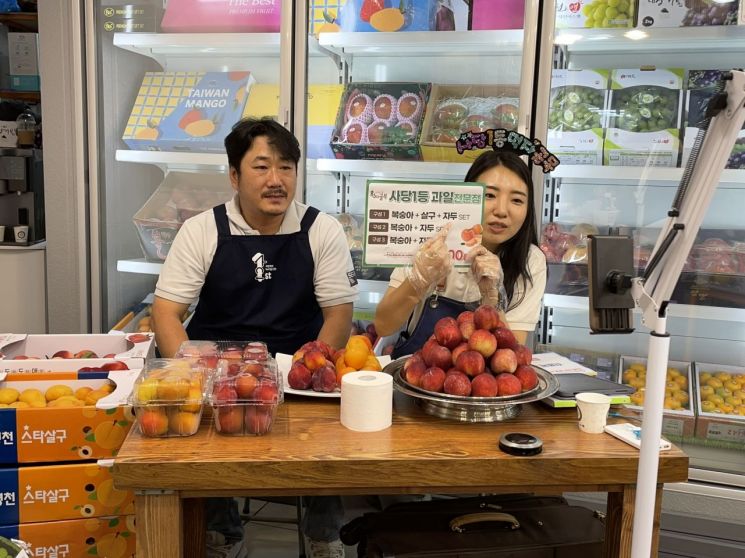
Dongjak-gu (Mayor Park Il-ha) will conduct ‘Traditional Market Live Commerce’ broadcasts for each store in traditional markets and shopping districts from the 25th to November 18th.
As online consumption patterns increase, the district operates live commerce in traditional markets, achieving results such as a 400% increase in average weekly sales during the previous broadcast period, contributing to expanding online sales channels, increasing sales, and promoting products for merchants.
By conducting broadcasts on-site at each market, product features are easily explained to consumers, adding a sense of presence for more vivid product promotion.
The live commerce participants include five locations: Sangdo Traditional Market, Seongdae Traditional Market, Sadang 1-dong Food Alley, Namseong Sagye Market, and Namseong Station Alley Market.
The broadcasts will be held 20 times, starting with Sangdo Traditional Market on the 25th, followed by Seongdae Traditional Market (26th), Sadang 1-dong Food Alley (27th), Namseong Sagye Market (31st), and Namseong Station Alley Market (November 8th).
More than 38 diverse items such as livestock products, dried seafood, rice cakes, and fruit sets are prepared, with up to 30% discounts on all items and free shipping benefits.
Residents who wish to participate can download and install the ‘GRIP’ application from the smartphone app store or Play Store, then search for ‘Traditional Market Live Commerce’ in the search bar to join the real-time sales events.
Mayor Park Il-ha said, “I hope many residents will conveniently use traditional markets through the broadcasts,” adding, “We will do our best to support the continuous growth of small business owners and revitalize the local economy.”

Yangcheon-gu (Mayor Lee Gi-jae) is boosting sales competitiveness through non-face-to-face shopping using real-time online broadcasts with the ‘Live Commerce Support Project,’ providing support to traditional markets weakened by the economic downturn.
The traditional markets participating in this live commerce support project are Shinyoung Market, Moksarang Market, and Mokdong Kkaebi Market, with real-time broadcasts conducted for each market by linking Naver’s ‘Shopping Live’ and ‘Neighborhood Market Shopping’ platforms.
Live commerce, which introduces products while communicating with consumers via chat, has the advantage of allowing immediate feedback to confirm various product information.
Also, as long as you have a smartphone, you can watch broadcasts anytime and easily order and receive high-quality traditional market products with just one click. The district plans to fully utilize these advantages to actively support the development of sales channels for traditional markets.
The live commerce broadcast schedule for Yangcheon-gu traditional markets starts with Shinyoung Market at 11 a.m. on October 27, followed by Moksarang Market at 11 a.m. on the 28th, and Mokdong Kkaebi Market at 3 p.m. on the same day, operating over two days. To watch, access the Naver application on a smartphone, search for ‘Shopping Live,’ and then search for the market name.
Additionally, the district will provide benefits such as 50% discounts and free shipping to all stores in local markets listed on Naver’s ‘Neighborhood Market Shopping’ until the budget is exhausted, not only for stores participating in this live commerce.
Mayor Lee Gi-jae of Yangcheon-gu said, “We are launching the ‘Live Commerce Support Project’ in earnest to apply non-face-to-face online shopping, which has become a major consumption trend, to traditional markets,” adding, “Please watch a lot as you can conveniently purchase affordable and high-quality traditional market products through real-time interactive online shopping broadcasts.”
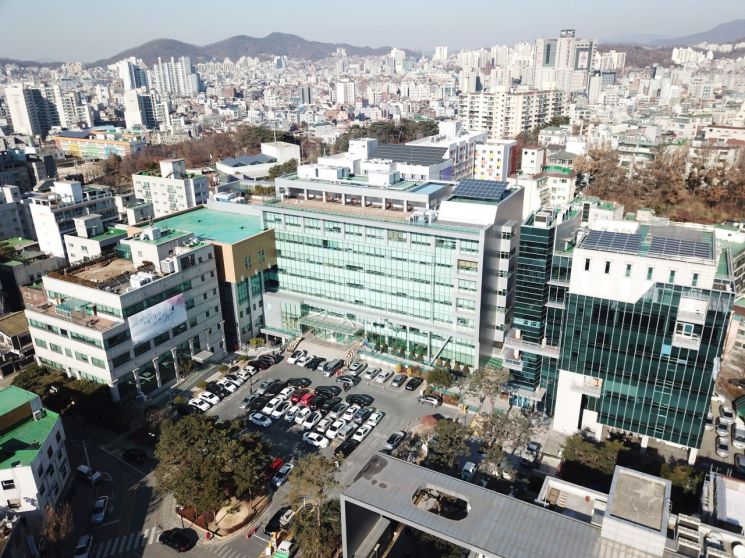
Eunpyeong-gu (Mayor Kim Mi-kyung) announced that it will conduct ‘Social Economy Enterprise Live Commerce’ on Naver Shopping Live to support sales channels for social economy enterprises.
Excellent products from Eunpyeong-gu’s social economy enterprises can be purchased at prices lower than the market, and various events such as comment purchase certification and quizzes will be held. Using live commerce, which introduces products through real-time online broadcasts, the district promotes social economy enterprises and sells excellent products.
The live commerce will be held three times on November 1, 2, and 8, with five outstanding social economy enterprises participating. On the event days, access ‘Naver Shopping Live’ online, search for Eunpyeong-gu, and participate.
The first broadcast on November 1 features ‘Spring Shine’ at 4 p.m. and ‘Cooperative Sseulmo & More M’ at 8 p.m. ‘Spring Shine’ supports creative activities of people with developmental disabilities and produces and sells products based on artworks, showcasing eco-friendly ‘Eco Plogging Bags’ and ‘Crewneck Sweatshirts’ featuring endangered Korean animal paintings by artist Jjauk. ‘Cooperative Sseulmo’ collaborates with More M as a seller and marketer, selling handmade jewelry with a special and fairy-tale-like sensibility from More M.
The second broadcast on November 2 features ‘CoArt Studio’ at 3 p.m. and ‘Asia Fair Trade Network’ at 6:30 p.m. ‘CoArt Studio,’ which supports artists’ creative activities and self-realization, will have art therapist and artist Kim Dong-jin appear to introduce three paintings suited to the consumption tendencies of the MZ generation. It is a great opportunity to own favorite works as desk, wall, or fabric poster frames.
‘Asia Fair Trade Network’ will showcase cashew nuts produced through fair trade in Vietnam, cashew milk made from domestic Paju Jangdan soybeans, and cashew nuts rich in zinc and iron produced in Phum Koan village, Cambodia. The unsweetened cashew milk is made by grinding whole soybeans, offering a rich taste without added flavorings, thickeners, or stabilizers, resulting in high sales and a broad customer base.
The final broadcast on November 8 at 6:30 p.m. features ‘Ipul Herbal Cooperative,’ with long experience in herbal farming and production groups. They will sell the ‘Beneficial Herb Broth Pack 3-Set’ (mild taste, savory taste, gentle taste) and ‘Omigalsu Saekongdalkong,’ convenient for single-person households. The broth pack is vegan-certified (using only eco-friendly ingredients) and can be used immediately after about 3 minutes of brewing, making it highly versatile for soups, rice water, and family health teas. ‘Omigalsu Saekongdalkong’ is made from Omija from Jangsu, Jeonbuk, and native soybeans from Nonsan, Chungnam, rich in nutrition and flavor.
Kim Mi-kyung, Mayor of Eunpyeong-gu, said, “The live commerce will be a good opportunity for social economy enterprises to experience online sales channel expansion,” and asked for “the interest and participation of residents.”
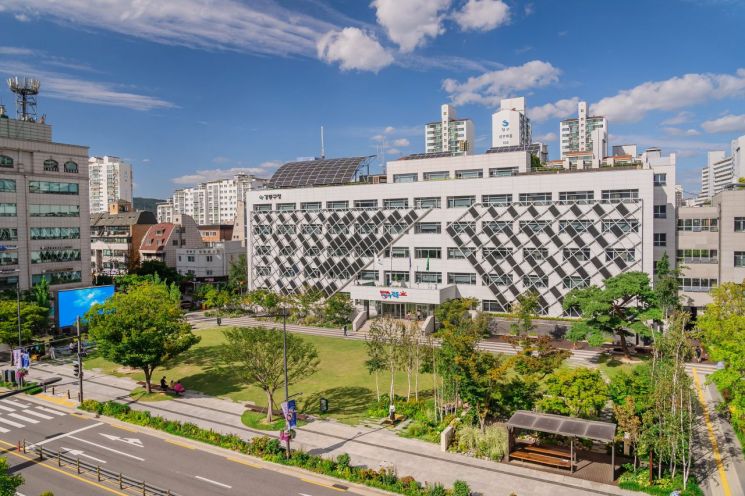
Gangdong-gu (Mayor Lee Soo-hee) announced on the 24th that it will implement the ‘Coffee Grounds Recycling Project’ to reduce carbon emissions by recycling coffee grounds.
Only 0.2% of coffee beans are extracted for use, and 99.8% become coffee grounds, classified as household waste and disposed of by landfill or incineration. In this process, coffee shops bear the cost of volume-based waste bags, and the district bears the incineration and landfill costs.
Accordingly, the district is implementing the ‘Gangdong-style Coffee Grounds Recycling Project’ in cooperation with coffee shops in the area to separate and recycle coffee grounds, establishing a sustainable resource circulation system.
Coffee shops participating in the project will separately collect coffee grounds, which will be picked up by collection companies visiting the stores on designated days and times. The collected coffee grounds will be recycled into fertilizer and feed.
Earlier, since June this year, the district accepted applications from about 600 coffee shops in Gangdong-gu to participate in the ‘Coffee Grounds Recycling Project.’ As a result, about 380 coffee shops applied, and approximately 200 were selected for a pilot project to be conducted over two months from November to December.
Jang Jae-gyun, Director of the Cleaning Administration Division, said, “This coffee grounds recycling project is expected to contribute not only to reducing waste disposal costs but also to lowering carbon emissions.”
© The Asia Business Daily(www.asiae.co.kr). All rights reserved.



















