The Anti-Corruption and Civil Rights Commission Announces "Significant Strengthening of Disciplinary Standards for Drunk Driving in Public Institutions"
Even Within the Military, Criticism Arises as "An Idea to Favor Candidates About to Be Promoted"
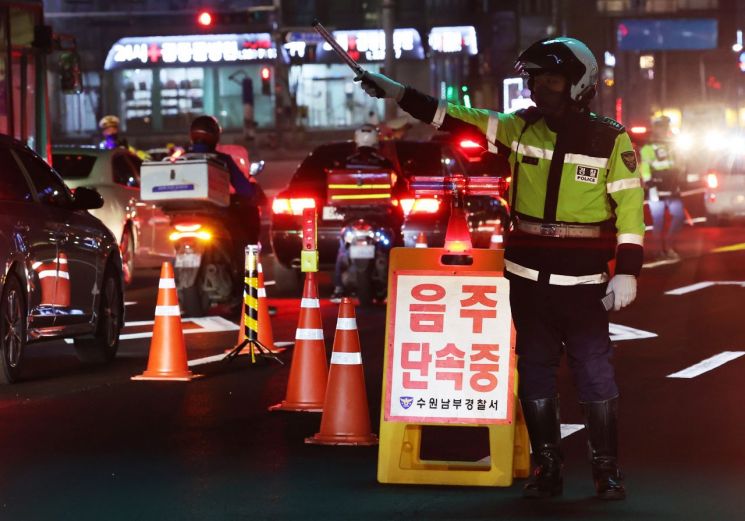
[Asia Economy Yang Nak-gyu, Military Specialist Reporter] Controversy is growing as the Ministry of National Defense relaxes disciplinary measures against soldiers caught driving under the influence. Critics argue that this creates standards completely opposite to the government's plan to significantly strengthen DUI disciplinary measures in public institutions.
On the 18th, the Anti-Corruption and Civil Rights Commission announced that it has significantly strengthened DUI disciplinary standards for public institutions, stating that even first-time offenders with a blood alcohol concentration (BAC) of 0.2% or higher can be dismissed. The evaluation of corruption impact on the regulations of 75 public institutions concluded that the current standards not only go against the trend of tougher DUI punishments but also fall short of public expectations.
Accordingly, the commission recommended raising the disciplinary measures for BAC levels of 0.08% or higher from "salary reduction to suspension" to "suspension to demotion," and establishing new disciplinary standards for BAC levels of 0.2% or higher as "suspension to dismissal." Furthermore, it recommended allowing dismissal for refusal to undergo alcohol testing and permitting dismissal for second or third DUI offenses.
In contrast, the Ministry of National Defense recently revised its disciplinary regulations to limit the period for counting DUI offenses of soldiers and civilian military personnel to "within 10 years prior to the most recent DUI offense."
According to the previous "Ministry of National Defense Military Personnel and Civilian Military Personnel Disciplinary Procedures Directive," there was no specific limit on the period for counting DUI offenses, so the total number of offenses during the entire military service period was summed. However, with the directive revision in May, only offenses detected within 10 years prior to the most recent DUI are counted, thereby relaxing the standard. As a result, long-term service members who repeatedly committed DUI offenses over periods exceeding 10 years now face much lighter disciplinary actions or disadvantages.
Some critics argue that habitual DUI offenders aiming for promotion to lieutenant colonel and colonel will primarily benefit from this change. Especially within the military, there are concerns that this move not only goes against the societal trend of significantly strengthening DUI sanctions but may also be criticized as protecting insiders.
© The Asia Business Daily(www.asiae.co.kr). All rights reserved.

















