Preventing Benefit Reduction Due to Funding Shortage from Aging Population
Discussions Start This Month with Aim to Submit Amendment Bill at 2025 Regular National Assembly
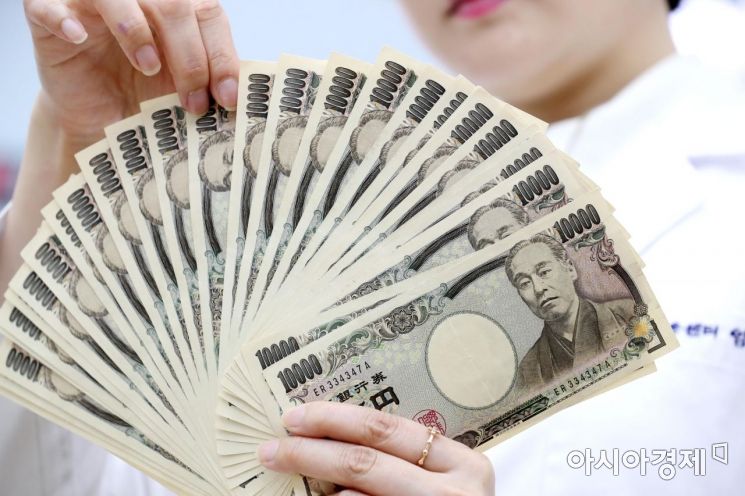
[Asia Economy Reporter Kim Hyunjung] The Japanese government has begun discussions on a plan to extend the National Pension (basic pension) insurance premium payment period by 5 years, from the current 40 years to 45 years.
According to a report by Kyodo News on the 15th, the Japanese government has started working on increasing the National Pension payment period, which is currently 40 years from age 20 to 60, to 45 years by extending it to age 65. Japan's public pension system consists of two types: the National Pension and the Employees' Pension Insurance. Among these, the National Pension is mandatory for all Japanese citizens, including foreigners residing in Japan. In 2022, the National Pension premium was 16,590 yen per month (approximately 160,000 KRW), and paying premiums for 40 years entitles one to receive about 65,000 yen per month (approximately 630,000 KRW).
Currently, company employees and public officials over 60 years old who are still working pay National Pension premiums until age 65, so their payment period will not change even if the system is revised. However, if the system changes, self-employed individuals and retirees without income after age 60 will also have to pay premiums for an additional 5 years, increasing their burden significantly.
The Japanese government is considering such improvements to prevent, as much as possible, a reduction in pension benefits caused by a shortage of pension funds due to the rapid increase in the elderly population and the decline in the working population.
However, there is considerable opposition from citizens against the revision of the National Pension system. As news of the extension of the National Pension payment period spread, posts opposing the plan have continued to appear on Japanese portal sites. Portal users fiercely criticized the government, saying things like, "Are you extending the period during which the younger generation pays premiums just to give money to current pension recipients?" and "Stop taking money from the people and cut the wasteful budgets in each ministry."
Discussions on the National Pension reform are scheduled to begin within this month at the Social Security Council, an advisory body to the Minister of Health, Labour and Welfare. The Japanese government aims to reach a conclusion in 2024 and submit a revision bill to the regular Diet session in 2025.
In South Korea, mandatory National Pension enrollment applies to citizens aged 18 to under 60 with income, and after fulfilling a minimum enrollment period of 10 years and reaching the pensionable age (60 to 65 years), they can receive old-age pension benefits. South Korea's National Pension finances have already deteriorated significantly, and experts are suggesting either increasing pension contributions or raising the pensionable age to 68.
© The Asia Business Daily(www.asiae.co.kr). All rights reserved.
![From Bar Hostess to Organ Seller to High Society... The Grotesque Con of a "Human Counterfeit" [Slate]](https://cwcontent.asiae.co.kr/asiaresize/183/2026021902243444107_1771435474.jpg)
















