Ministry of Science and ICT Finalizes Revision Plan on 7th, Adds Research and Talent Development Specialized Zones
To Be Confirmed in November Through Public Contest, Daejeon with KAIST and KARI Considered Prime Location
[Asia Economy Reporter Kim Bong-su] The government has decided to increase the number of designated space industry clusters from the originally planned two locations to three. In addition to the existing launch vehicle cluster (Goheung, Jeollanam-do) and satellite cluster (Sacheon, Gyeongsangnam-do), a specialized district for research and talent development will also be added.
On the afternoon of the 7th, the Ministry of Science and ICT held the Space Development Promotion Working Committee meeting and finalized the revised plan for the establishment of space industry clusters.
Since last year, the Ministry of Science and ICT has been promoting the designation of space industry clusters to strengthen private-led space development capabilities and create a self-sustaining industrial ecosystem. For launch vehicles, Goheung, Jeollanam-do, where the Korea Aerospace Research Institute (KARI) has the Nuriho launch site, is a strong candidate. Plans include building a launch vehicle industrial complex and a comprehensive support center (assembly, manufacturing, startups, etc.), as well as establishing a private launch vehicle launch site and engine combustion test site. Sacheon, Gyeongsangnam-do, was expected to be designated for the satellite cluster. This will involve constructing a satellite industrial complex and a comprehensive support center (testing and certification, startups, etc.), and expanding space environment (orbit, launch, electromagnetic wave) testing facilities. These two locations have already been confirmed as clusters through the resolution of the National Space Committee.
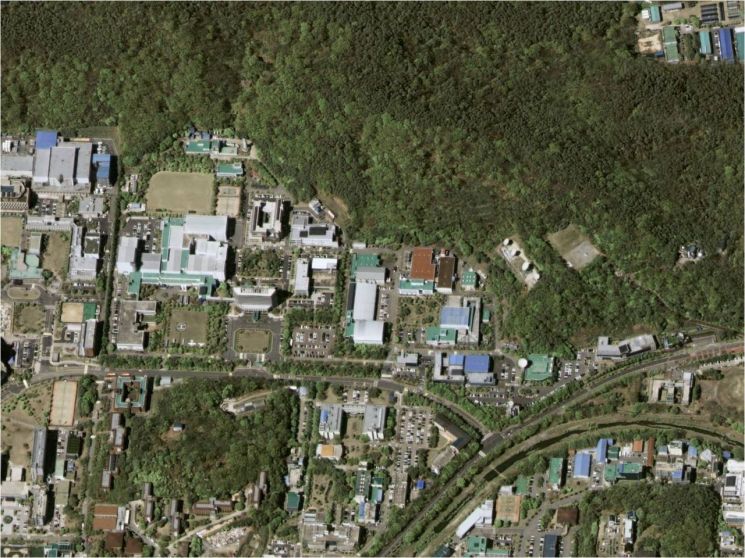
However, there were increasing demands for additional designation in the Daejeon area, where existing space-related research institutes and universities are concentrated. President Yoon Seok-yeol has also publicly mentioned the promotion of a "three-axis system." Accordingly, the government decided on the same day to establish a triangular system of space industry clusters by additionally creating a specialized district for research and talent development. Furthermore, the plan is to strengthen organic interconnection and collaboration among the specialized districts to generate synergy. In the specialized district for research and talent development, support will be enhanced for future-leading research and development in the space sector and for nurturing excellent researchers in the space field.
The Ministry of Science and ICT plans to select candidate sites for the specialized district for research and talent development within this month and hold the National Space Committee meeting next month to make the final designation.
© The Asia Business Daily(www.asiae.co.kr). All rights reserved.
![User Who Sold Erroneously Deposited Bitcoins to Repay Debt and Fund Entertainment... What Did the Supreme Court Decide in 2021? [Legal Issue Check]](https://cwcontent.asiae.co.kr/asiaresize/183/2026020910431234020_1770601391.png)