Operating Profit Falls Short of Market Expectations
Profitability Weakens Amid Consumer Sentiment Decline and Raw Material Cost Pressure
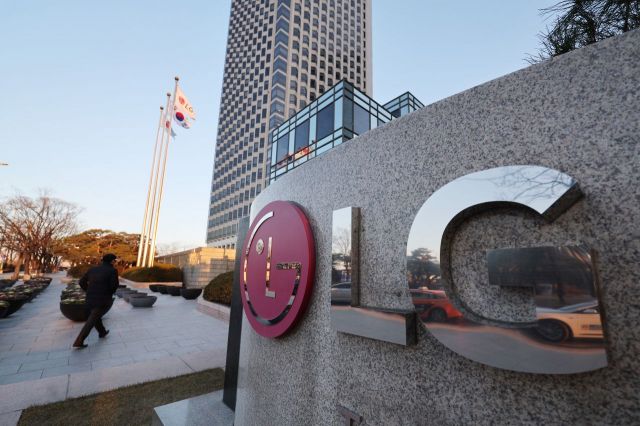
[Asia Economy Reporters Sunmi Park, Yeju Han] LG Electronics recorded its highest quarterly sales in the third quarter of this year. It also surpassed the record 20.969 trillion KRW set in the first quarter of this year, which was the highest ever. However, profitability fell short of expectations due to the impact of the three highs (high inflation, exchange rates, and interest rates), which led to weakened consumer sentiment and increased raw material costs.
On the 7th, LG Electronics announced its preliminary third-quarter results, reporting consolidated sales of 21.1714 trillion KRW and operating profit of 746.6 billion KRW. Compared to the same period last year, sales increased by 14%, and operating profit rose by 25.1%.
However, the third-quarter results reflect a base effect from the 480 billion KRW allowance for doubtful accounts recorded in the third quarter of last year due to General Motors (GM)'s electric vehicle battery recall costs. Considering this, LG Electronics, like other home appliance companies, is interpreted to have experienced profitability challenges in the third quarter.
In fact, compared to the second quarter, sales increased by 8.8%, but operating profit decreased by 5.8%.
LG Electronics' third-quarter operating profit also fell short of market consensus (average securities analysts' forecast). According to financial information provider FnGuide, as of the previous day, securities firms had projected LG Electronics' average performance at 20.1 trillion KRW in sales and 870 billion KRW in operating profit.
LG Electronics reflected the impact of inflation and interest rate hikes on consumer sentiment in its third-quarter results.
In the H&A Business Division, which includes home appliances, despite generally weakened demand, strong sales performance of premium home appliances, including the LG Objet Collection centered in North America, was observed. However, operating profit is believed to have declined compared to the same period last year due to rising raw material prices, increased logistics costs including maritime freight, and higher competition expenses, falling short of market expectations.
In particular, as TV demand has been declining for a prolonged period, it is estimated that the HE Business Division faced difficulties in achieving sales growth and profitability. On the other hand, the VS Business Division, which includes the automotive electric and electronic equipment sector, is believed to have maintained profitability in the third quarter following the second quarter, thanks to effective supply chain management addressing semiconductor supply issues and the continued expansion of production by automobile manufacturers.
© The Asia Business Daily(www.asiae.co.kr). All rights reserved.
![User Who Sold Erroneously Deposited Bitcoins to Repay Debt and Fund Entertainment... What Did the Supreme Court Decide in 2021? [Legal Issue Check]](https://cwcontent.asiae.co.kr/asiaresize/183/2026020910431234020_1770601391.png)















