October Gas and Electricity Price Hikes Expected to Raise Consumer Prices
Consumers Turn to Cost-Effective Shopping Amid Basket Price Burden
Experts: "Maintaining Quality of Life, Reducing Costs, and Protecting the Environment"
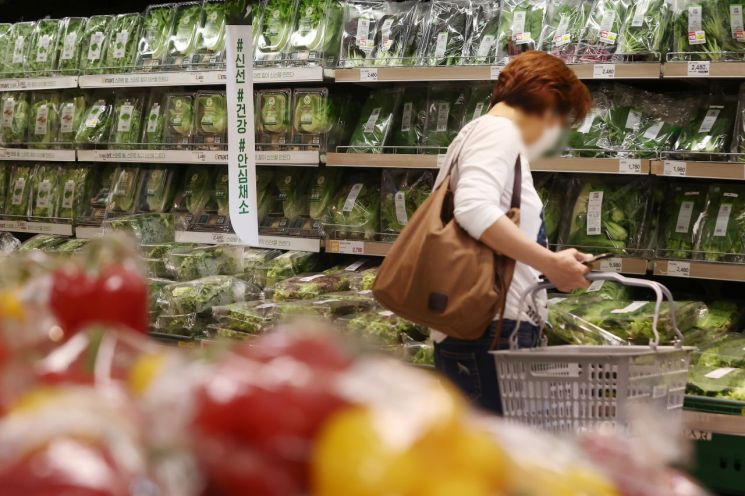 As prices continue to rise, consumers are trending towards purchasing cost-effective bulk products. The photo is not related to the specific content of the article. [Image source=Yonhap News]
[Asia Economy Intern Reporter Lee Gyehwa] As high inflation continues, consumers are turning to practical spending. They are buying daily necessities in bulk and purchasing food items in small quantities and packaging. The industry is also releasing products in various sizes, indicating that so-called practical consumption in the era of high inflation is expected to continue.
Recently, demand for bulk daily necessities has steadily increased. According to the e-commerce platform Wemakeprice, over the past month (August 27 to September 25), the transaction amount for major bulk daily necessities increased by 121% compared to the same period last year. By product, bulk toothpaste (378%), bulk soap (69%), bulk shampoo (15%) among hygiene products, and bulk detergent (78%), toilet paper (63%) among daily necessities are representative. This consumption pattern is interpreted as a result of consumers prioritizing price-performance ratio and the economic downturn coinciding.
Meanwhile, Market Kurly reported that from July to September this year, the sales of bulk products on their platform doubled compared to the same period last year. Sales of bulk convenience foods such as fried rice and dumplings increased 4.7 times year-on-year. The share of bulk yogurt sales rose to 21%, up from 16% of total yogurt sales in the third quarter of last year. Even vegetables, which rarely saw bulk purchases, experienced about a twofold increase in bulk product sales.
Alcoholic beverages have also introduced bulk products. The industry launched 2L bulk beers with lower price per liter and increased volume. Online communities are increasingly posting about consumers' preference for bulk products.
One netizen said, "In this era of high inflation, consumers are very sensitive to the prices of daily necessities. Naturally, they look for cost-effective bulk products," adding, "To reduce unnecessary monthly expenses even slightly, they purchase affordable bulk products."
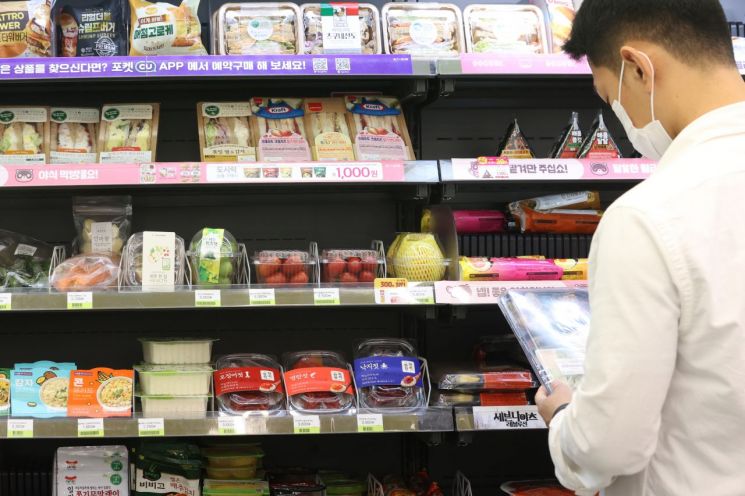 Sales of small-packaged side dishes at convenience stores are increasing. Due to rising prices, more people are buying side dishes in small quantities. According to CU, sales of side dishes increased by 19.3% in the second quarter of this year, and the growth rate continued with a 24.5% increase in the third quarter. The photo shows small-packaged side dishes at a convenience store on the 22nd.
 [Image source=Yonhap News]
Additionally, due to rising dining-out prices and weather effects causing a sharp increase in vegetable prices?the main ingredients of side dishes?purchases of small-packaged products are also increasing. According to the convenience store industry, sales of side dish convenience foods rose 20-30% compared to the same month last year. This is interpreted as an increase in consumers who find it reasonable to buy side dishes for a meal at convenience stores.
As practical consumers who consider cost-effectiveness increase, the industry is releasing products in various sizes such as bulk and small packaging. Experts analyze this as a form of consumption that reduces spending and a kind of value consumption.
Professor Lee Eunhee of the Department of Consumer Studies at Inha University said, "You can purchase bulk detergent cheaply by searching online. Also, in the case of daily necessities, buying in bulk can reduce environmental pollution caused by packaging containers." She added, "With food ingredient prices generally rising, buying fresh foods in small packages tailored to taste can prevent leftovers and reduce food waste."
Professor Lee emphasized, "This is practical consumption where consumers strategically think and act to reduce expenses while maintaining quality of life, and it can be seen as value consumption that also considers environmental protection."
© The Asia Business Daily(www.asiae.co.kr). All rights reserved.


















