The Korean Society of Obstetrics and Gynecology: "In Vitro Fertilization Only Available to 'Couples'"
National Human Rights Commission: "Regret Over Non-Acceptance of Recommendation... Women's Right to Self-Determination Is Fundamental"
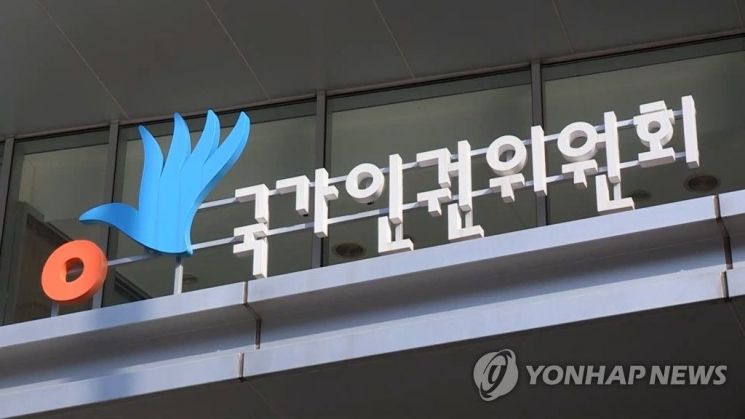 The Korean Society of Obstetrics and Gynecology has effectively rejected the recommendation from the National Human Rights Commission to revise ethical guidelines that restrict in vitro fertilization procedures for unmarried women. Photo by Yonhap News
[Asia Economy Culture Young Intern Reporter] The Korean Society of Obstetrics and Gynecology (KSOG) has maintained its stance that "in vitro fertilization (IVF) cannot be performed on unmarried women" in response to the National Human Rights Commission of Korea's (NHRCK) recommendation to revise guidelines to allow unmarried women to receive IVF treatment.
The NHRCK stated on the 30th that "the KSOG has expressed its intention not to accept the recommendation to revise the 'Ethical Guidelines for Assisted Reproductive Technology'."
The KSOG's ethical guidelines specify that "in vitro fertilization procedures should, in principle, be performed within the context of a married couple (including common-law marriage)," effectively blocking IVF treatment for unmarried women.
In May, the NHRCK recommended that the KSOG revise the ethical guidelines restricting IVF for unmarried women, emphasizing the need to recognize the diversity of individual lives and actively guarantee women's right to self-determination.
The Ministry of Health and Welfare also agreed with the NHRCK, stating that "there are no laws explicitly prohibiting assisted reproductive technology for unmarried individuals."
However, the KSOG responded by saying, "Giving birth through assisted reproductive technology using a third party's reproductive capacity is a serious issue that must be discussed from the perspective of protecting the rights of sperm donors and the child born," adding that "social consensus and related legal amendments should come first."
They further explained the reason for rejecting the recommendation, stating, "Countries that allow assisted reproductive technology for (unmarried) single individuals also permit it for same-sex couples, so social consensus must precede."
The NHRCK's Discrimination Remedy Committee criticized the society's stance, saying, "The KSOG has failed to properly recognize the essence of the issue, such as the right to self-determination regarding childbirth for unmarried women." They expressed regret, adding, "Whether there is social consensus is not a matter for the KSOG to arbitrarily decide."
Meanwhile, IVF treatment for unmarried women gained attention in Korea following the birth of broadcaster Sayuri. Sayuri underwent IVF in Japan using donated sperm.
© The Asia Business Daily(www.asiae.co.kr). All rights reserved.

















