<Illegal Acts Everyone Does, Tattoo③>
Five Tattoo-Related Bills Pending in the National Assembly
Changing Atmosphere in the National Assembly
The Democratic Party of Korea Proposes 'Tattoo Legalization' as a Livelihood Legislative Task
Interview with Justice Party Lawmaker Ryu Ho-jeong... "Will Achieve Tattoo Legalization Within My Term"
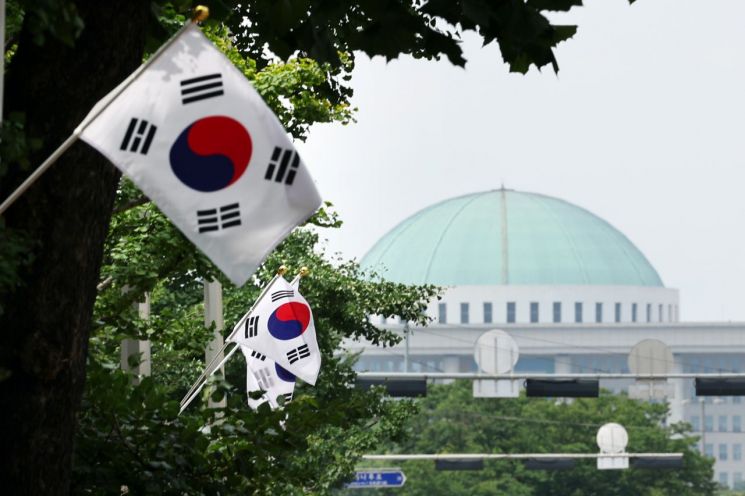
[Asia Economy Reporter Gong Byung-sun] The tattoo market is expanding, and tattoo artists' dissatisfaction is growing, but related laws remain dormant in the National Assembly. However, as the momentum for the Tattoo Business Act is building, expectations are rising that related legislation will be passed this year.
Currently, there are a total of five tattoo-related bills pending in the National Assembly. These include the 'Tattoo Artist Act' by Park Ju-min of the Democratic Party (DP), the 'Tattoo Business Act' by Ryu Ho-jeong of the Justice Party, the 'Tattoo and Semi-Permanent Makeup Tattoo Business and User Protection Act' by Song Jae-ho of the DP, the 'Semi-Permanent Makeup Tattoo Artist Act' by Eom Tae-young of the People Power Party (PPP), and the 'Tattoo and Semi-Permanent Makeup Tattoo Business and User Protection Act' by Choi Jong-yoon of the DP. Interest in tattoos has increased, and although Park introduced the Tattoo Artist Act in October 2020, it still remains in the Health and Welfare Committee. The status of the other bills is similar.
Each political party called for the passage of the Tattoo Business Act even during the recent presidential election, but no related legislation has been established yet. President Yoon Suk-yeol promised legalization of tattooing, tattoo, and semi-permanent makeup procedures during his candidacy for the People Power Party. Lee Jae-myung, leader of the Democratic Party, also included legalization of tattoo procedures as part of his 'small but certain happiness' pledge.
However, the atmosphere inside the National Assembly is changing. In this regular session, the Democratic Party listed 'Tattoo Legalization' as one of the 22nd National Assembly's livelihood legislative tasks. Following the National Human Rights Commission's statement to the Speaker of the National Assembly in March that "prompt handling of tattoo-related bills pending in the National Assembly is necessary to ensure the freedom of occupational choice for tattoo practitioners and the freedom of self-expression for those receiving tattoos is not infringed," and the Constitutional Court's ruling that "tattoos should be regarded as medical acts," insiders say there is a growing recognition of the need for related laws.
Assembly Member Ryu Ho-jeong: "Using Performance to Raise Public Awareness... This Year, Focus on Legislative Activities"
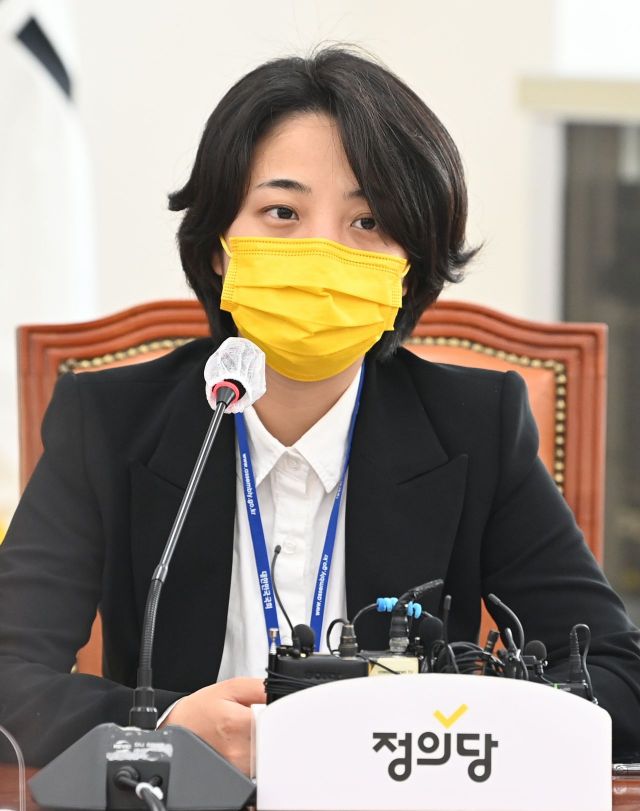
Last year, we conducted a phone interview with Assembly Member Ryu Ho-jeong, who proposed the Tattoo Business Act. Ryu expressed regret that the act has not yet passed but spoke confidently that it will definitely be enacted this year.
- What motivated you to propose the Tattoo Business Act?
"My connection with tattoo artists began at the Korean Confederation of Trade Unions' Textile, Food, and Beverage Workers' Union. At that time, tattoo artists who had no union approached me wanting to establish a union for tattoo workers, so I helped them. As the Tattoo Union took root, I had many opportunities to communicate with them. Subsequently, I became interested in tattoos and started preparing the Tattoo Business Act. The bill I proposed last year was also approached from the perspective of labor rights."
- Last year, you performed a public demonstration wearing a backless dress revealing tattoo stickers. What was the reason for this performance?
"The purpose of last year's performance was to raise public awareness. Fortunately, it attracted a lot of attention. People began to understand the need for the Tattoo Business Act for the sake of public health. After the performance, a public opinion survey on the tattoo industry was conducted. Nevertheless, tattoo artists and consumers are still not adequately protected. Nearly 10 million people have received tattoos, including eyebrow tattoos. Considering the labor rights of tattoo artists and the health rights of the public, the enactment of the Tattoo Business Act is urgent."
- What role will you play to ensure the passage of the Tattoo Business Act this year?
"Last year, there were no Justice Party members in the Health and Welfare Committee, which limited legislative activities. That is why I used performances like wearing a dress and revealing tattoo stickers to persuade people rather than focusing on legislative activities in the National Assembly. This year, Justice Party member Kang Eun-mi joined the Health and Welfare Committee. I believe that with Kang and the Justice Party, an environment has been created where we can actively engage in legislative activities. I plan to focus on activities that will realistically lead to the passage of the Tattoo Business Act in the plenary session of the National Assembly rather than performances."
- How is the atmosphere in the National Assembly regarding the Tattoo Business Act?
"The atmosphere in the National Assembly is good. Many people now think that tattoos are no longer illegal. In fact, many lawmakers and their aides have eyebrow tattoos and seem to empathize with the difficulties faced by tattoo artists. Since perceptions have changed significantly, I believe this is the right time to pass the Tattoo Business Act. I will make sure the act is passed within this term. I hope citizens and tattoo artists will support us."
© The Asia Business Daily(www.asiae.co.kr). All rights reserved.


















