'Depression and Alcohol Addiction' Increasing Trend Among 20s and 30s
Difficulties in Employment, Studies, and Marriage as Causes
Experts: "Economic Downturn Leads to Social Vulnerability... High Experience of Economic Deprivation"
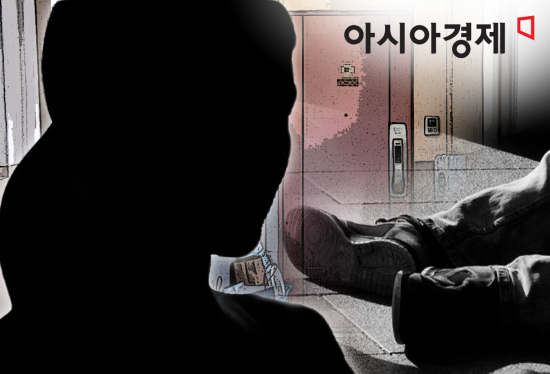 It has been found that depression among young people is continuously increasing. Due to the economic recession in Gyeonggi Province, passing the employment gate is not easy, and with soaring inflation making life tough, it is interpreted that they are experiencing excessive stress.
[Asia Economy Reporter Intern Lee Gyehwa] A red light is flashing for the mental health of the younger generation. As the COVID-19 pandemic prolongs, job opportunities have become scarce, and soaring inflation and high interest rates have compounded the situation, leading some to express self-deprecating complaints that hope has disappeared.
Depression among young people continues to increase. According to the Health Insurance Review & Assessment Service, the number of patients visiting hospitals for depression rose from 680,169 in 2017 to 910,785 in 2021, a 33.9% increase over four years. The proportion of depression patients in their 20s and 30s surged by 45.7% during the same period, indicating that 3 to 4 out of every 10 depression patients are young adults.
The number of people in their 20s treated for depression increased by 127.9%, from 76,246 in 2017 to 173,745 in 2021. This is why youth depression is emerging as a social issue.
Research also suggests that the economic downturn has influenced depression among young people. According to the Korea Youth Policy Institute's "Study on Psychological and Emotional Issues and Response Measures for People in Their 20s," economic anxiety caused by the recession and difficulties related to employment, unemployment, and marriage exacerbate depression and anxiety among young adults in their 20s.
Furthermore, failing to pass the job screening process or the anxiety stemming from unstable non-regular employment, even after being hired, can lead to depression among young people. A non-regular employee, Mr. A, said, "My cousin sister prepared for the civil service exam but failed 3 to 4 times. She reached the 2nd or 3rd stage multiple times but kept failing, and it became so hard that I heard she received psychiatric treatment." Another regular employee, Mr. B, said, "A close friend prepared for the public servant exam but developed gastritis due to stress," adding, "He couldn’t eat and eventually paid 100,000 won a day for psychological treatment."
 Repeated alcohol consumption makes one more susceptible to depressive feelings, influencing the development of alcohol addiction. The photo is not related to the specific content of the article. [Image source=Pixabay]
Another issue is that some young people try to cope with their depression by relying on highly addictive alcohol. According to Dasarang Central Hospital, an alcohol-related disease specialist designated by the Ministry of Health and Welfare, the number of hospitalized patients in their 20s and 30s was 103 from January to September 2021, increasing to 153 during the same period in 2022. In 2020, the early stage of the COVID-19 pandemic, the number of hospitalized patients in their 20s and 30s reached 187. Additionally, among 3,906 alcoholics admitted to this hospital from 2019 to September this year, 15.2% (594 people) were in their 20s and 30s.
Experts emphasize that depression and alcohol addiction among young people could become more severe, requiring social attention. Professor Lim Myeongho of Dankook University’s Department of Psychology explained, "Young people have experienced a lot of daily stress and anxiety due to the prolonged COVID-19 pandemic," adding, "They are socially vulnerable due to the economic downturn and have a high experience of economic deprivation."
He also explained, "Excessive gatherings and relationships following the easing of social distancing can instead cause stress and trigger depression," adding, "Regular and moderate social relationships have the effect of reducing the prevalence of depressive symptoms." He further suggested, "Since people in their 20s and 30s will play a central role in the future, active support at the public level is necessary to help restore social relationships."
© The Asia Business Daily(www.asiae.co.kr). All rights reserved.


















