US and EU Also Move to Ban Imports
Controversy Over Xinjiang Lithium and Congo Cobalt
Production Traceability Management at Issue
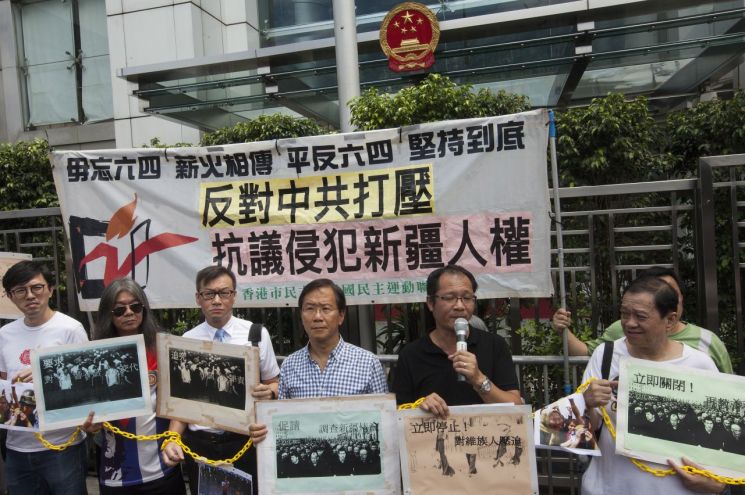
[Asia Economy Reporter Oh Hyung-gil] Following the United States, the European Union (EU) is also pushing to ban the import of products produced in regions and countries associated with forced labor or human rights abuses, signaling potential new challenges for domestic battery companies' supply chains. Since key battery raw material production areas such as cobalt and lithium have not escaped forced labor controversies, there are calls for stringent management.
According to industry sources on the 19th, the EU Commission announced plans on the 14th to promote the 'Forced Labor Ban Act.' The EU's proposed law aims to prohibit the import, export, and domestic production of products made through forced labor. Although it does not specify particular regions, it is widely seen as targeting China's Xinjiang Uyghur Autonomous Region.
Earlier, the United States comprehensively banned imports from the Xinjiang Uyghur Autonomous Region under the 'Uyghur Forced Labor Prevention Act' starting in June.
China's Xinjiang region is recognized as a major global producer of lithium carbonate. Based on this, China produces about 75% of the world's lithium-ion batteries. Notably, many local companies involved in China's lithium-based battery industry reportedly source raw materials from Xinjiang or employ Uyghur laborers.
Chinese companies have taken control of cobalt mining rights in the Democratic Republic of Congo (DR Congo), which accounts for about 70% of global cobalt production, sparking 'slave labor' controversies.
For over a decade, China has aggressively invested in DR Congo's cobalt mines. One of DR Congo's largest cobalt mines, the Tenke Fungurume mine, is 80% owned by China's molybdenum mining company. Reports have surfaced that severe labor exploitation reminiscent of colonial-era slavery is occurring in these Chinese-controlled cobalt mines in DR Congo, bringing forced labor issues in the battery supply chain to the forefront.
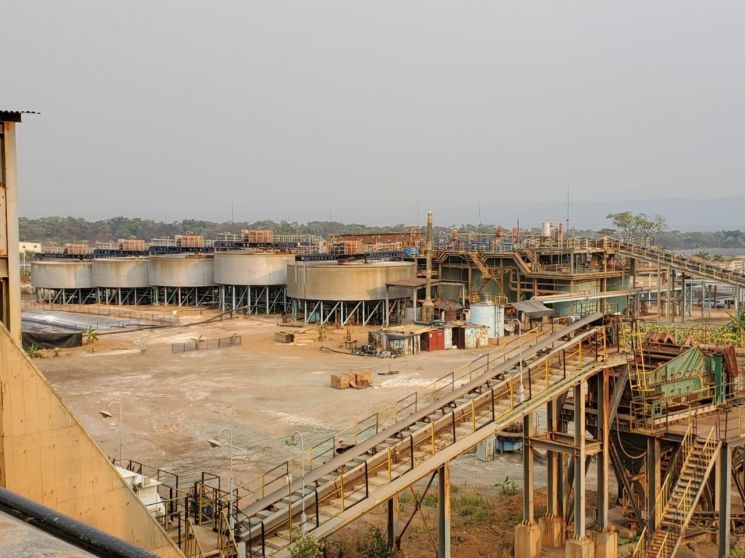
Attention is also focused on how domestic battery companies manage their supply chains. Some companies are known to import lithium carbonate from Xinjiang or cobalt from Congo. Battery companies using raw materials produced in these regions bear the burden of proving that no forced labor was involved in their supply processes.
Samsung SDI conducts ESG (Environmental, Social, and Governance) risk assessments of its partners through the 'S-Partner' system. It applies a zero-tolerance policy on key issues such as child labor, forced labor, pollutant emissions, and environmental permits. LG Energy Solution and SK On have also introduced and implemented responsible supply chain management policies.
An industry insider said, "We are tracking and managing the history of raw material intake and product manufacturing," but expressed concern, saying, "Because the battery supply chain is globally vast and complexly intertwined, completely eliminating ESG risks will not be easy."
© The Asia Business Daily(www.asiae.co.kr). All rights reserved.
![Clutching a Stolen Dior Bag, Saying "I Hate Being Poor but Real"... The Grotesque Con of a "Human Knockoff" [Slate]](https://cwcontent.asiae.co.kr/asiaresize/183/2026021902243444107_1771435474.jpg)

















