70% of Adults Use "Online Subscription Services"
Expansion of Subscription Services Including Online Lectures and Laundry Services
[Asia Economy Reporter Heo Midam] The 'subscription economy,' where consumers pay a fixed amount to regularly receive goods or services, is spreading across all sectors. Subscription services were once limited to certain fields such as newspapers and milk, but recently they have expanded into various areas including supplements, laundry, and clothing. This growth is due to increased demand for contactless services during the COVID-19 pandemic, as consumers became more willing to pay extra to conveniently purchase what they need from home.
Subscription services are recently becoming a new lifestyle. According to a survey conducted last year by the job portal Incruit targeting 807 adults, 68.5% of respondents said they are currently using online subscription services. These users spend an average of 40,000 KRW per month, with some spending up to 1,000,000 KRW on online subscription services.
The reason consumers seek subscription services is related to 'convenience.' By subscribing, necessary products are delivered regularly according to a set schedule, eliminating the hassle of purchasing items individually each time. From a business perspective, if subscribers use the service long-term, companies benefit from brand loyalty and stable fixed revenue.
Accordingly, the industry is launching various subscription products and services to attract consumers. The online class platform 'Class101' launched its subscription service 'Class101+' last month. This service allows subscribers to take any of the 4,000 classes available as they wish.
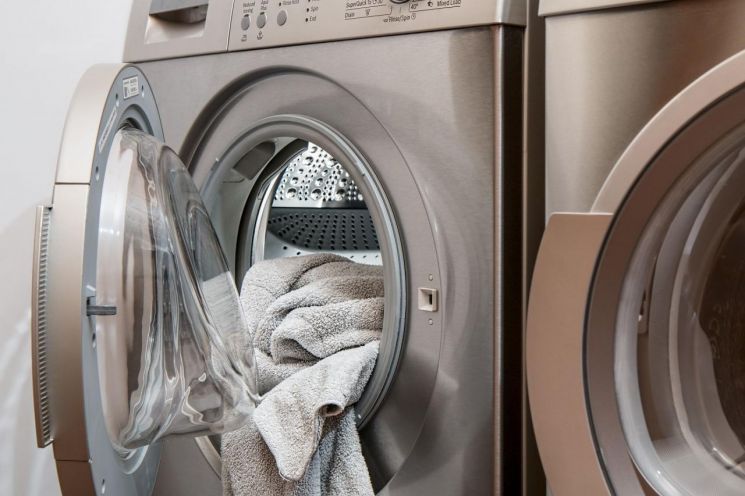
There are also services that deliver supplements. 'Pilly' offers a subscription service that recommends necessary nutrients based on a health survey. After diagnosing their health status through a survey of about 20 questions, subscribers receive supplements tailored to their results. Other representative examples of subscription services include 'Wisely,' which regularly sends razor blades, and 'Laundrigo,' a contactless laundry service.

The primary users of these services are the MZ generation (Millennials + Generation Z). The MZ generation is characterized by not sparing spending on themselves and expressing their values through consumption. They feel that subscribing to services is more efficient than one-time purchases if it reduces the time spent ordering products through regular delivery.
Jang Minjae (26), an office worker using a supplement subscription service, said, "I thought I should take supplements, but I wasn’t sure which ones to take. Then I subscribed to a supplement service and was glad to receive the supplements I needed." He added, "Also, detailed explanations about why I should take these supplements were provided, which increased my trust."
Meanwhile, the subscription economy service market is expected to grow further alongside the contactless trend driven by COVID-19. The KT Economic Management Research Institute reported that the domestic subscription economy market grew 54.8% in just four years, from 25.9 trillion KRW in 2016 to 40.1 trillion KRW in 2020. The institute predicts that the subscription economy market size will reach 100 trillion KRW by 2025.
© The Asia Business Daily(www.asiae.co.kr). All rights reserved.


















