3 out of 10 Golfers Use Them... 50% Expected by 2025
GPS Models Priced Between 100,000 and 200,000 KRW Are Mainstream... Affordable and Portable
Laser Models Vary Widely, Up to 600,000 KRW
"More Features Don't Always Mean Better. Having Necessary Functions Is Enough"
[Asia Economy Reporter Choi Taewon] As the number of golf players in Korea surpasses 5.6 million, the "distance measuring device" has become an essential item for golfers.
The golf industry is considered one of the biggest beneficiaries of the prolonged COVID-19 pandemic. According to the Hyundai Research Institute, the golf industry is expected to reach a scale of 9.2 trillion KRW in 2023. In 2021, imports of golf equipment amounted to 7.2 billion USD, showing a 33.2% increase compared to the previous year, continuing its growth trend.
In particular, the derivative markets such as golf courses and screen golf facilities, as well as various golf-related products, are rapidly expanding.
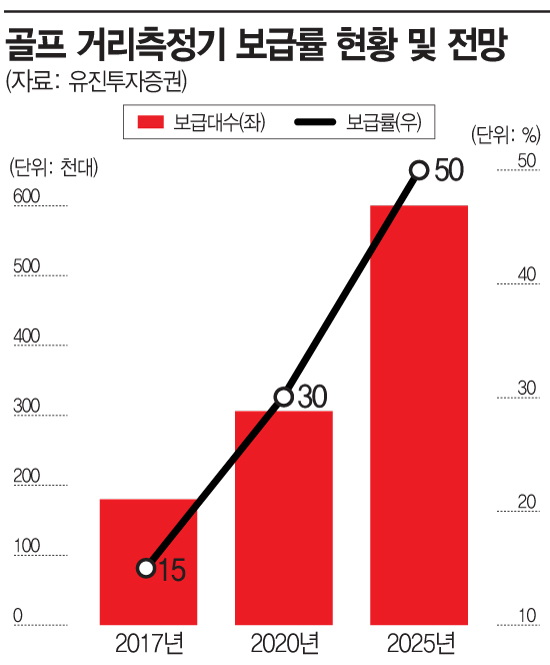
A representative product is the "distance measuring device." According to a report released this year by Eugene Investment & Securities, the number of distance measuring devices in use, which was only 180,000 units in 2017, increased to 306,000 units in 2020 and is projected to expand to 500,000 units by 2025. The penetration rate exceeded 30% in 2020 and is expected to reach 50% by 2025. This means that one out of every two golfers will carry a distance measuring device.
The rapid growth of the distance measuring device market is also influenced by the characteristics of domestic golf courses. Since most are built on mountainous terrain, it is not easy for golfers to calculate distances. In fact, most distance measuring devices currently released in Korea are equipped with functions that measure the actual distance corrected for elevation differences, in addition to simple distance measurement.
GPS Type Offers Portability and Weather Resistance... Laser Type Enables Precise Distance Measurement
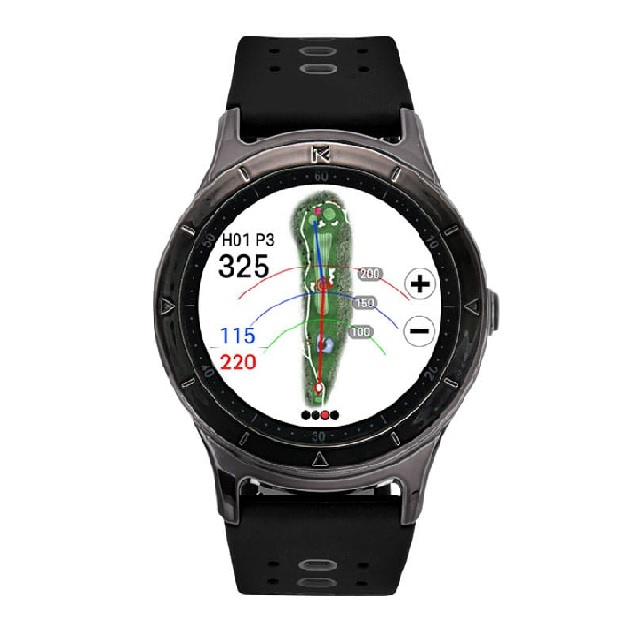
Distance measuring devices are broadly divided into two types: GPS and laser. The GPS type is mostly designed as a watch-type with good portability. It is affordable and allows users to identify various obstacles on the course in advance through the screen. However, periodic program updates are necessary to reflect the latest conditions of the golf course, and it is difficult to measure distances precisely when hole locations change.
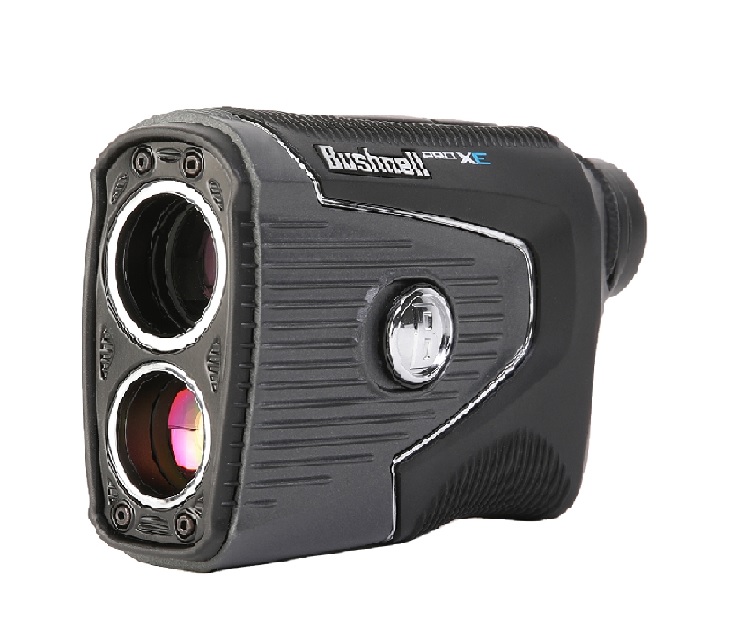
The laser type is a telescope-shaped distance measuring device. Since it measures the actual distance by directly shooting a laser at the desired target, it enables more precise distance measurement. The downsides are that it is expensive and relatively bulky. It is also difficult to measure distances in bad weather conditions such as rain or fog.
Meanwhile, recently, with the integration of various IT technologies, products that indicate aiming direction and show the slope flow around the hole with arrows, similar to screen golf, have been released.
No Need to Insist on Expensive Laser Devices
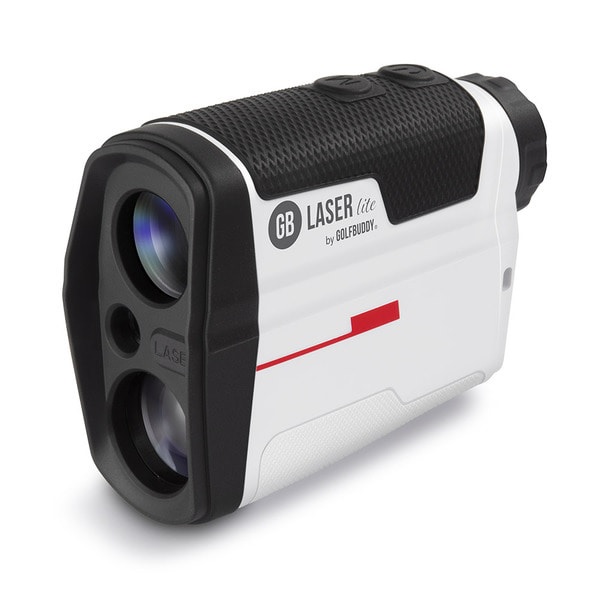
Price is one of the biggest factors making it difficult for golfers to choose a distance measuring device. Although prices vary by product from each company, GPS types are mostly priced in the high 100,000 KRW to 200,000 KRW range. For laser types, imported products such as Bushnell and Nikon cost around 500,000 to 600,000 KRW, but many domestic products can be purchased for around 200,000 KRW.
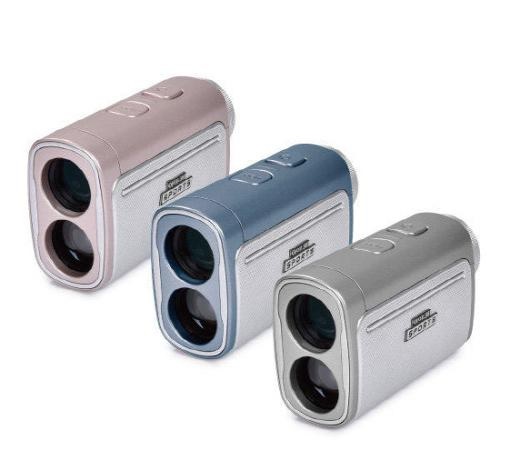
Experts generally agree that there is no need to use expensive products at the amateur level in terms of lens performance and battery life.
For example, there is a perception that higher lens performance is always better. However, the higher the magnification, the more sensitive it becomes to hand tremors, so there is no need to obsess over high-magnification lenses. Regarding batteries, if the product has KC certification, there is no need to worry much about performance.
Shin Ducheol, CEO of JD Plus and a golf equipment expert who launched eight golf brands including Callaway, Odyssey, Cleveland, Adams, Ian Poulter Design, and Eco in Korea, advised, "Distance measuring devices are not necessarily better just because they have many functions. Since usage ability is inevitably limited, having only the necessary functions is sufficient."
There are also precautions. The most important factors when choosing a distance measuring device are △laser class △lens performance △battery.
Above all, attention should be paid to the "laser class," which can cause direct injury to the eyes and skin. It is recommended to use the safest Class 1 grade products, and to avoid Class 3A, Class 3B, and Class 4 grade products that may cause injury.
The National Institute of Technology and Standards recognized these risks and announced a revision of the "Safety Standards for Portable Laser Products," expanding the scope of KC certification (safety confirmation) last March. After a six-month grace period, it has been enforced since the 13th of this month.
© The Asia Business Daily(www.asiae.co.kr). All rights reserved.



















