Minimize Skin Exposure, Use Repellents, and Follow Prevention Guidelines to Prevent Infectious Diseases
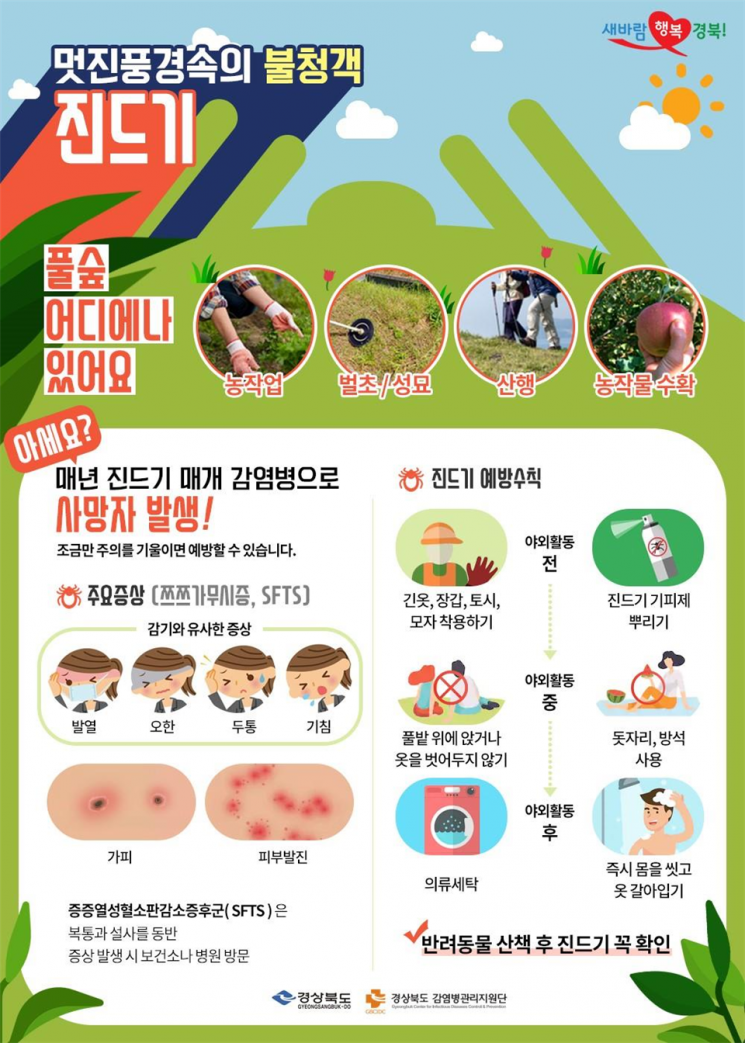
[Asia Economy Yeongnam Reporting Headquarters Reporter Kim Gwiyeol] Gyeongbuk Province has urged caution to prevent scrub typhus and severe fever with thrombocytopenia syndrome (SFTS), which are caused by ticks living in mountains or grasslands, when performing grass cutting or ancestral rites ahead of Chuseok.
Scrub typhus is a representative autumn febrile illness caused by bites from chigger mites inhabiting mountains and fields. It can occur during camping, hiking, wild plant gathering, persimmon picking, and farming activities.
Most patients occur intensively around Chuseok, and special caution is required especially during grass cutting or ancestral rites.
Scrub typhus has an incubation period of 1 to 3 weeks, after which symptoms such as headache, fever, chills, rash, muscle pain, and cough appear. In severe cases, bronchitis, pneumonia, myocarditis, and meningitis symptoms may develop, and a 1 cm sized eschar (black scab) forms at the site bitten by the chigger mite.
Recovery is possible with appropriate antibiotic treatment in the early stage of infection, so if symptoms appear, immediate diagnosis and treatment at a medical institution are necessary.
Severe fever with thrombocytopenia syndrome (SFTS) is an infectious disease caused by a bite from the small tick Haemaphysalis longicornis carrying the SFTS virus. After an incubation period of 4 to 15 days, symptoms such as high fever (38?40℃), nausea, vomiting, and diarrhea appear. There is no preventive vaccine, and in severe cases, it can cause a decrease in platelets and white blood cells, leading to death.
This year, 13 patients have occurred in Gyeongbuk, with 4 deaths.
As of August 31, 2022, the number of SFTS patients nationwide is 101 (12 deaths), and in Gyeongbuk, 13 (4 deaths).
Accordingly, on-site guidance was conducted for project managers of five cities and counties with frequent tick-borne infectious diseases to activate infection prevention projects.
To strengthen local resident publicity, a ‘Tick Warning Sign’ was pilot-produced and is scheduled to be installed on hiking trails in Yecheon County in mid-September, focusing on proactive infectious disease prevention.
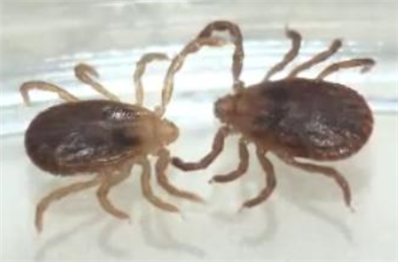
To prevent tick-borne infectious diseases, it is necessary to follow these precautions: wear work clothes (long sleeves, long pants, hat, arm sleeves, gloves, socks, neck towel, boots); avoid sitting on grass or leaving clothes on the ground; apply repellents; shower immediately after returning home; and wash clothes separately.
Park Seongsu, Director of Welfare and Health Bureau of Gyeongbuk Province, said, “With the arrival of the autumn farming season such as ancestral rites and grass cutting during the Chuseok holiday, there is concern that tick-borne infectious diseases will increase. We ask everyone to follow prevention rules to avoid tick bites and have a healthy Chuseok holiday.”
© The Asia Business Daily(www.asiae.co.kr). All rights reserved.


















