Increasing Obesity Rates Since COVID-19
Significant Impact from Reduced Physical Activity
Frequent Gatherings and Social Events Continue Post-Endemic Transition
Experts: "Obesity Is the Root of All Diseases... Make Exercise a Habit for Weight Loss"
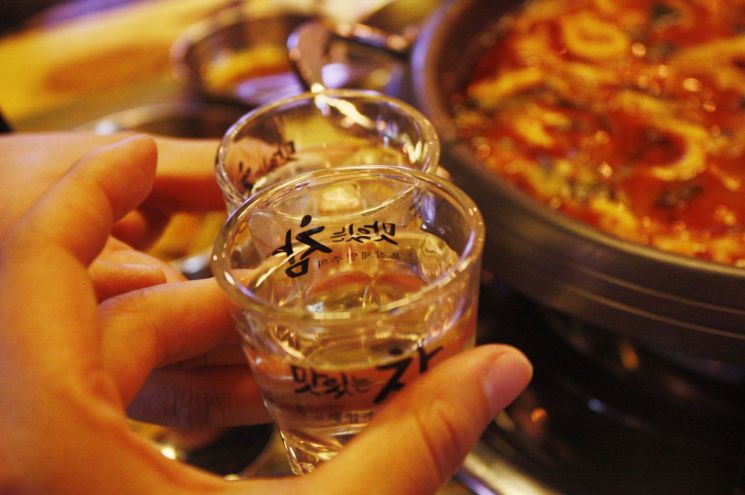 Obesity rates have been increasing since the COVID-19 pandemic. The photo is not related to the specific content of the article. [Image source=Pixabay]
[Asia Economy Intern Reporter Lee Gyehwa] # A man in his 30s, Mr. A, is putting effort into diet management and exercise to lose weight. He said, "I suddenly gained weight during the COVID-19 pandemic, which caused me stress," adding, "I even tried eating one meal a day and starving myself, but recently, as I have been attending many gatherings and company dinners that I couldn’t before, I haven’t been able to lose weight." He continued, "After about a month of controlling my diet and regularly hiking, I lost 3kg," and added, "Although I am currently in a plateau phase, I plan to continue combining diet therapy and exercise to lose more."
Although social distancing measures have been relaxed and outdoor activities have significantly increased, the number of office workers whose weight has increased is rising. This seems to be due to the familiarity with delivery food after the COVID-19 pandemic and the resumption of company attendance, which led to overlapping company dinners and gatherings that had been suspended.
Obesity rates have been increasing since COVID-19. According to the Ministry of Health and Welfare’s "National Health and Nutrition Survey" released on the 1st, the obesity rate among men rose from 41.8% in 2019 to 48% in 2020, and among women, it increased from 25% to 27.7%. In particular, obesity rates among men in their 30s and 40s surged to 58.2% and 50.7%, respectively, meaning more than half are obese.
The recent increase in obesity rates appears to be greatly influenced by reduced physical activity due to COVID-19. During the large-scale COVID-19 outbreak, social distancing was widely implemented nationwide, telecommuting was introduced, and indoor exercise facilities such as health clubs were restricted, leading to decreased activity levels.
Restrictions on physical activity also led to a preference for high-calorie foods and overeating. Being isolated at home increased feelings of depression and stress, which led to increased consumption of processed foods high in fat to relieve these feelings.
Delivery food also contributed to weight gain. Over the two years following the spread of COVID-19, the online food delivery market size doubled. According to Statistics Korea’s "February Online Shopping Trends," last month’s online food service shopping transaction amount was 2.2443 trillion won, a 23.0% increase compared to the same month last year (1.8241 trillion won). This is nearly double the amount in February 2020 (1.1353 trillion won), the early stage of the COVID-19 spread. The online food service shopping transaction amount aggregates the payments made for ordering lunch boxes, chicken, and other foods through delivery apps.
As a result, the rise in obesity rates after COVID-19 is prominent. According to the Korean Society for the Study of Obesity, a survey titled "The Impact of the Pandemic on Public Health (2021 data)" conducted on 1,000 adults aged 20 and over nationwide found that 46% of respondents reported gaining more than 3kg after COVID-19.
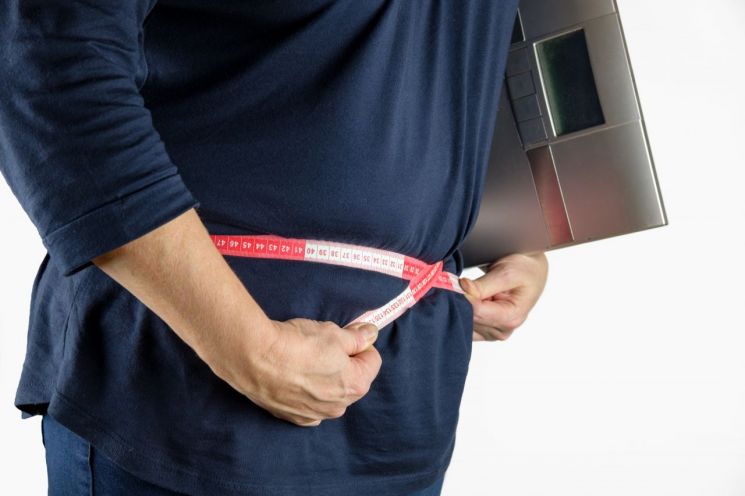 Even after the return to normal life, the number of office workers gaining weight is increasing. The photo is not related to the specific content of the article. [Image source=Pixabay]
The problem is that the number of office workers gaining weight continues to increase even after the transition to an endemic phase. Contrary to expectations that weight would decrease as commuting resumed and mobility increased with eased distancing, the opposite is happening. This is interpreted as due to the habitual consumption of delivery food that became routine during the prolonged COVID-19 pandemic, along with increased drinking due to successive company dinners and gatherings.
Mr. B, an office worker in his 20s, also gained weight due to frequent drinking and company dinners. He said, "As soon as distancing was lifted, company dinners started immediately," adding, "These days, I have company dinners at a samgyeopsal (pork belly) restaurant every other day." He continued, "I gained 3kg during COVID-19, and after returning to work, I gained another 2kg," and added, "Commuting itself is exhausting, so I don’t even feel like exercising."
Experts advise making exercise a regular habit to lose weight. Professor Kwon Hyuktae of the Department of Family Medicine at Seoul National University Hospital said on Health TV, "Obesity is the root of all diseases," adding, "Non-infectious diseases such as cancer and adult diseases occur because of obesity." He further stated, "Eating less is the most important when losing weight," and added, "Since the amount, type, and cooking method of food are also important, reducing fat and sugar intake and combining light muscle exercises and aerobic exercises such as stair climbing will be even more effective."
Meanwhile, research results emphasizing the fatality of COVID-19 for obese people have also been released, highlighting the need for weight loss. Professor Lim Soo of the Department of Endocrinology at Bundang Seoul National University Hospital stated in a paper published in the Journal of the Korean Medical Association that COVID-19 can pose greater risks to obese individuals, and the higher the obesity rate, the easier it is to get infected with COVID-19 and the more severe the symptoms can be.
© The Asia Business Daily(www.asiae.co.kr). All rights reserved.
!["The Woman Who Threw Herself into the Water Clutching a Stolen Dior Bag"...A Grotesque Success Story That Shakes the Korean Psyche [Slate]](https://cwcontent.asiae.co.kr/asiaresize/183/2026021902243444107_1771435474.jpg)

















