The Oldest Existing Wooden Buddha Statue... Estimated to Have Been Made in the 9th Century
Inner Artifacts Reveal History of Buddha Statue Restoration and Characteristics of Buddhist History
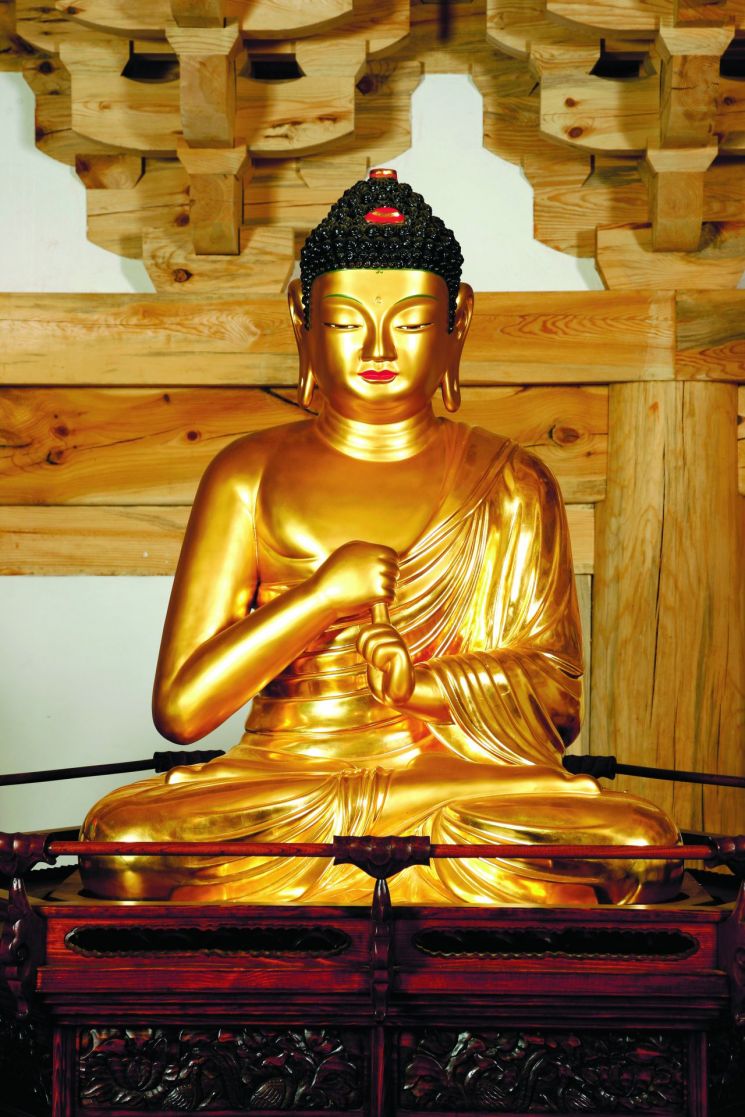
The 'Seated Wooden Vairocana Buddha Statue and Associated Relics of Beopbojeon' and the 'Seated Wooden Vairocana Buddha Statue and Associated Relics of Daejeokgwangjeon' enshrined at Haeinsa Temple in Hapcheon will be elevated to National Treasures, designated cultural properties by the state. The Cultural Heritage Administration announced on the 1st that after collecting opinions from various sectors for a month and undergoing review by the Cultural Heritage Committee, these two cultural assets will be designated as National Treasures. The associated relics refer to items such as the reliquary container, jewels, textiles, grains, and Buddhist scriptures placed inside the statue's body upon completion.
The statues in Beopbojeon and Daejeokgwangjeon are the oldest existing wooden Buddha statues. They are estimated to have been made in the late 9th century during the Unified Silla period. The form is that of Vairocana Buddha (Birojana-bul). The figure sits cross-legged, performing the gesture of the wisdom fist mudra (jikwon-in), where the right hand wraps around the left index finger. The craftsmanship is remarkable. The hand gestures (mudras) indicating the Buddha or Bodhisattva's identity, the attire exposing one shoulder, the round face and dignified body expression, and the natural draping of the garment folds are sculpted as intricately as the statues in Seokguram Grotto.
The value of the associated relics is equally significant. They include books, ancient documents, and various textiles added during restoration in the late Goryeo and early Joseon periods. Haeinsa Temple was reconstructed between 1489 and 1490 by the eminent monk Hakjo Daesa, who was supported by the Joseon royal family. The reliquary container (huryongtong), which held jewels, grains, textiles, and other items deposited at that time, demonstrates that the types of relics and the enshrinement procedures had been established before the 16th century publication of the 'Josang-gyeong.' The 'Josang-gyeong' is a ritual manual detailing the types, colors, directions, locations, and ceremonies related to Buddhist relic enshrinement.
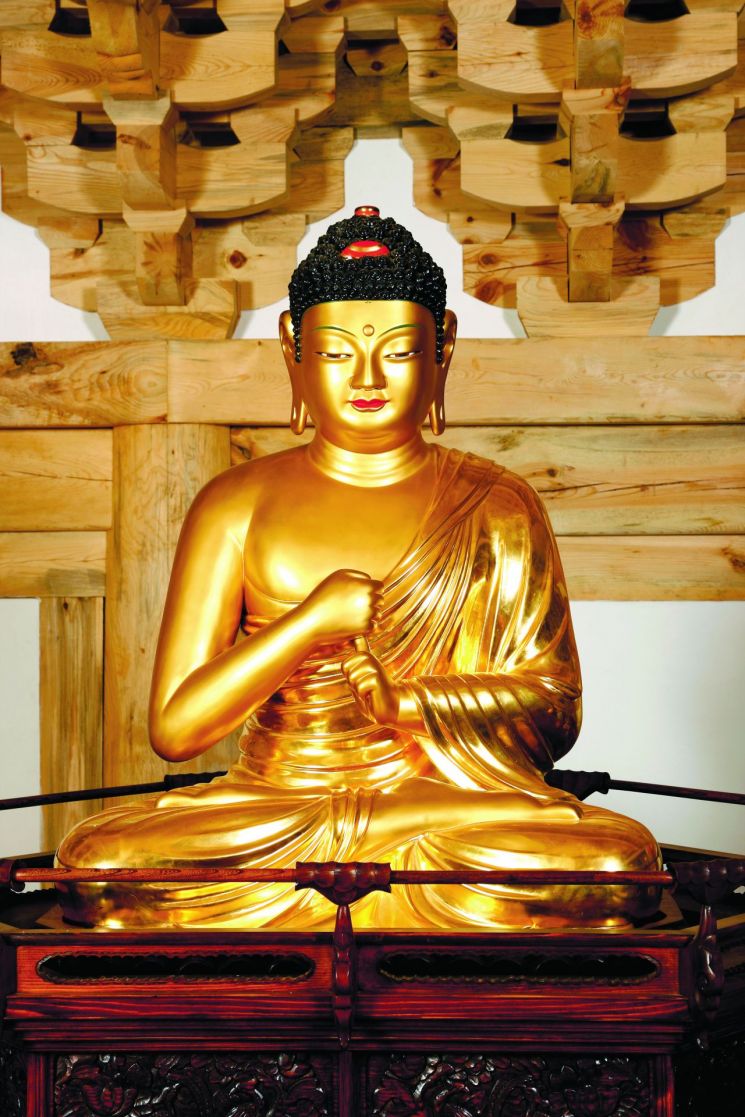
These two cultural properties were recognized for their artistic and historical value and designated as Treasures in 2012. The Cultural Heritage Administration evaluated that they have sufficient merit to be elevated to National Treasures by additionally considering the statues' ideal beauty and the Buddhist historical significance of the associated relics. An official explained, "The statues in Beopbojeon and Daejeokgwangjeon remain important objects of worship at Haeinsa Temple today," adding, "They hold considerable significance as representatives of Haeinsa's Huayan (Hwaeom) Buddhist thought." Regarding the associated relics, the official further noted, "It is necessary to pay close attention to the statues' restoration history, their Buddhist historical characteristics, and the relationship between Haeinsa Temple and the Joseon royal family."
© The Asia Business Daily(www.asiae.co.kr). All rights reserved.
![From Hostess to Organ Seller to High Society... The Grotesque Scam of a "Human Counterfeit" Shaking the Korean Psyche [Slate]](https://cwcontent.asiae.co.kr/asiaresize/183/2026021902243444107_1771435474.jpg)

















