12 Foods Easily Mistaken for Health Supplements
[Asia Economy Reporter Jin-kyung Lee] Nowadays, as interest in health increases, many people try to manage every food they eat as a health food. Some foods we usually think are good for health may not be as helpful as expected or may even harm health, so it is important to carefully examine any food before consumption. Let's take a closer look at which foods we have naturally considered health foods might negatively affect health and why.

1. Coconut Oil
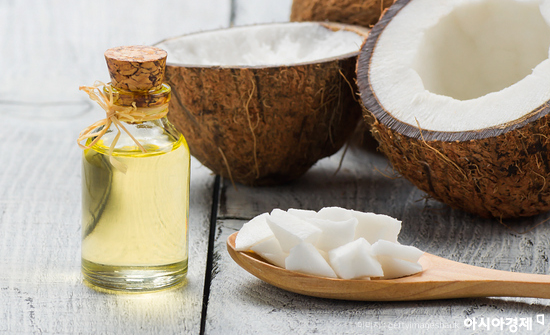
Often considered a healthy oil, many people consume coconut oil excessively. However, coconut oil contains a high amount of saturated fat, which can lead to cardiovascular diseases. Excessive intake of saturated fat increases low-density cholesterol levels, raising the risk of cardiovascular disease and stroke. Due to these side effects, the American Heart Association advises caution when consuming coconut oil.
2. Fruit Juice
Fruit juice made by blending fruits tastes good and is often thought to be a healthy drink that retains the nutrients of the fruit and provides satiety. However, compared to eating the same amount of whole fruit, it does not provide the same nutrients. Eating whole fruit easily induces satiety, but drinking juice results in less fullness, which can lead to excessive intake of nutrients and sugars. Additionally, fruit rapidly raises blood sugar levels, and this effect is even faster when consumed as juice. Fruit juices or smoothies sold at cafes often contain 3 to 4 times the recommended daily amount of sugar, so drinking several cups a day is not advisable.

3. Sports Drinks
People often drink sports drinks instead of water during exercise or outdoor activities. Sports drinks are beverages made by mixing sugar and electrolytes, which include potassium and sodium. Therefore, sports drinks can be very helpful after intense exercise when a lot of sweat is lost, but for light daily activities, drinking water is better. Also, citric acid and coloring agents in sports drinks can damage teeth, so those undergoing orthodontic or dental treatment should be cautious.

4. Protein Shakes
Are protein shakes, popular among people who exercise, truly healthy drinks? Some commercially available protein drinks contain sugar and various additives, and some have protein content exceeding recommended amounts, so it is important to carefully check and choose when purchasing. Additionally, some protein drinks include artificial sweeteners and high-fructose corn syrup to enhance flavor and color. If you care about your health, it is best to check the ingredient list before consumption.

5. Low-Fat Salad Dressings
When making or buying salads, many people choose low-fat or fat-free salad dressings to consider calorie intake. However, some low-fat or fat-free products replace fat with sugar or sodium to enhance flavor. Moreover, fat-soluble vitamins such as vitamins A, D, and E, which are consumed through salads, require fat for absorption in the body, so it is recommended to add healthy fats like olive oil or avocado oil to salads. Therefore, low-fat or fat-free dressings are not necessarily healthier or better for dieting; it is advisable to choose dressings suitable for your health condition.

6. Processed Cheese
Most cheeses we enjoy are processed cheeses rather than natural cheeses. Processed cheese is made from natural cheese for preservation and distribution convenience, and depending on the manufacturing process, it usually contains spices, colorants, milk powder, and acidity regulators. Some acidity regulators, such as phosphates, sulfates, and hydrochloric acid, can negatively affect health, so it is good to check the ingredients when purchasing cheese. Also, for health reasons, it is better not to consume processed cheese excessively and frequently.

7. Margarine
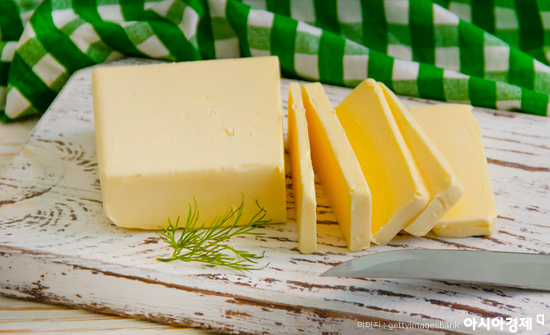
Margarine is made from vegetable oils and resembles butter, often considered a healthy substitute for butter. However, margarine contains high levels of trans fats, so frequent consumption should be avoided. Hydrogenation is added to make it similar to butter, extending shelf life and keeping it solid at room temperature. However, trans fats produced as byproducts raise bad cholesterol and lower good cholesterol. Trans fats are not easily broken down or excreted by the body, accumulating in the abdomen and internal organs, becoming a major cause of various metabolic diseases.
8. Low-Fat Milk
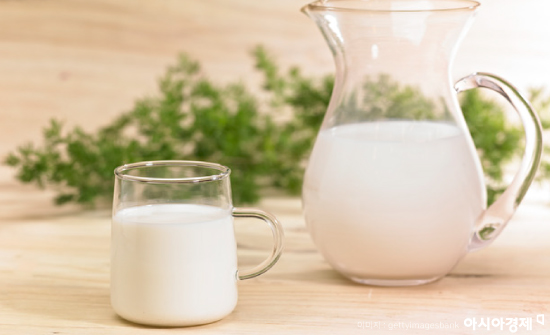
Regular milk contains about 3.4% fat, while low-fat milk contains about 2%. Many people choose low-fat or fat-free milk during dieting due to concerns about fat intake. However, the process of removing fat from milk also removes many other nutrients, and low-fat milk may provide less satiety than regular milk. Unless you have severe hyperlipidemia or hypertension, drinking an appropriate amount of regular milk may be better for obtaining nutrients and feeling full.
9. Dried Fruit
Since most dried fruits are simply dehydrated fruits, they are considered nutrient-rich health foods and often eaten with yogurt. However, many heat-sensitive nutrients are destroyed during the drying process. Also, since moisture is removed from the fruit, excessive consumption can cause indigestion. Furthermore, dried fruits are often treated with mold inhibitors and sulfur dioxide to prevent mold and maintain color, and flavor enhancers and sugar may be added to improve taste. For health reasons, it is good to keep these in mind when consuming dried fruits. Moreover, dried fruits have much higher sugar and calorie content than fresh fruits, so frequent consumption as a snack during dieting may lead to weight gain.

10. Sanghwang Mushroom
Sanghwang mushroom, low in calories and rich in minerals, is known as a health food with anticancer effects and the ability to lower blood cholesterol. However, for patients with hepatitis B, consuming Sanghwang mushroom can worsen symptoms and increase liver enzyme levels. Therefore, hepatitis B patients should avoid Sanghwang mushroom and instead enjoy shiitake or pine mushrooms, which have positive health effects.

11. Blue-Back Fish
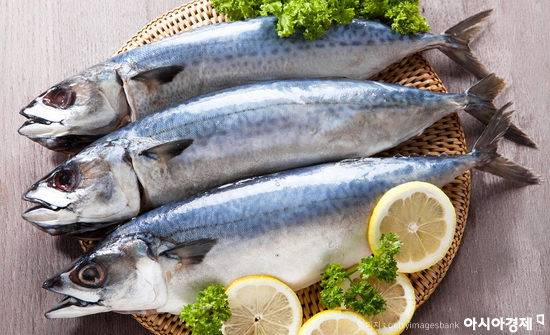
Blue-back fish such as mackerel and saury are rich in EPA and the unsaturated fatty acid DHA, which help with memory loss, depression, and heart disease treatment. However, for asthma patients taking asthma medication, these fish can be harmful. Blue-back fish contain histamine, which can trigger allergies and worsen asthma and allergic symptoms. Also, mackerel is not good for gout patients, so it is advisable to avoid consumption.
12. Potatoes
For patients with diabetes or heart disease, consuming 3 to 4 or more potatoes a day can worsen health. This is because potato consumption causes a rapid rise in blood sugar levels and reduces HDL production, negatively affecting the heart. Therefore, it is better to consume two or fewer potatoes a day or substitute potatoes with sweet potatoes.

© The Asia Business Daily(www.asiae.co.kr). All rights reserved.



















