Samsung Electronics Introduces Multi-View Feature Splitting Screens on TVs, Monitors, and Smartphones
LG Electronics Launches DualUp Monitor Supporting Two Screens with 16:18 Aspect Ratio
MZ Generation's Multitasking Demand Drives Expansion of Multi-Screen Split Function
"Larger Screens Enhance the Effectiveness of Multi-Screen Splitting," Experts Say
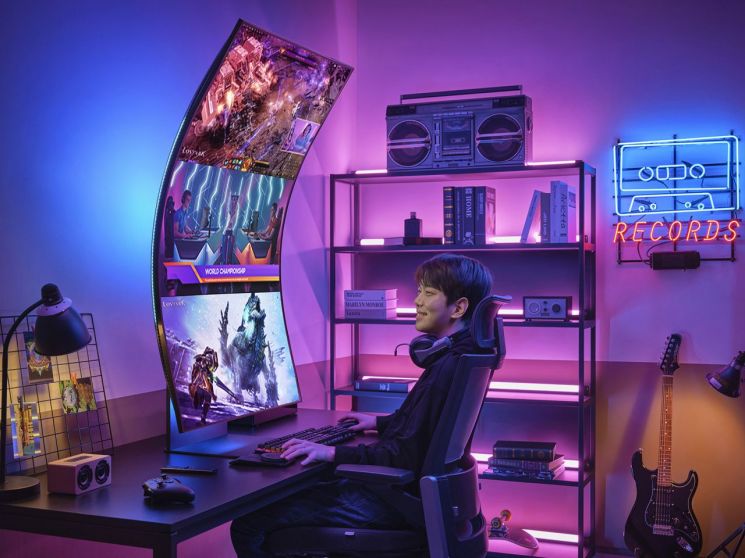
[Asia Economy Reporter Kim Pyeonghwa] In response to the multitasking capabilities of MZ (Millennial + Generation Z) generation consumers, the home appliance industry is focusing on multi-screen split functions in display products such as TVs and monitors. The trend is further supported by the increased consumer utility resulting from larger display sizes and multi-screen splitting.
According to the home appliance industry on the 27th, Samsung Electronics launched the premium TV product Neo QLED 98-inch in the global market, including South Korea, on the 22nd. Samsung introduced an ultra-premium TV priced at 45 million KRW domestically, featuring a multi-view function that allows viewing four different 4K screens simultaneously on one TV.
Samsung also included the multi-view function in the new premium gaming monitor Odyssey Ark, unveiled this month. The 55-inch display supports four splits in horizontal mode and three splits in vertical mode. Additionally, the foldable smartphone Galaxy Z Fold4, released this month, also includes a screen split function.
LG Electronics emphasized a similar function when launching the new DualUp monitor in May. The DualUp monitor features a 28-inch display with a 16:18 aspect ratio, resembling two 21.5-inch monitors with a 16:9 aspect ratio connected as one. It is designed for video editors, programmers, and designers who work with multiple monitors. It allows screen separation on one computer and supports using multiple contents from two computers.
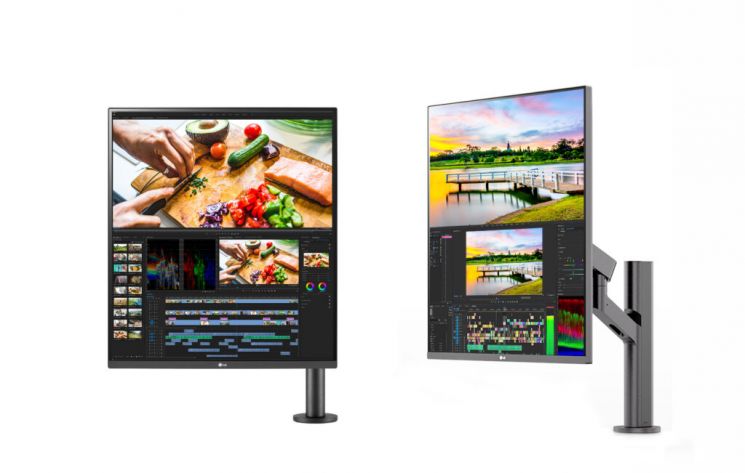
The home appliance industry noted that although multi-screen split functions have been introduced in display products before, the emphasis on these features has become more pronounced recently. This is because the main consumer base, the MZ generation, is accustomed to multitasking and thus shows interest in multi-screen split functions.
An industry insider said, "There were previously PBP functions that display two PC screens simultaneously and PIP functions that show another screen on the main screen, but recently, as multitasking has become common, split functions are being emphasized. From a corporate perspective, since display quality has already advanced, the focus is on how to utilize it, leading to an emphasis on screen splitting."
The increasing size of display products is also a factor activating screen split functions. Another industry insider explained, "When 32-inch TVs were common, splitting the screen into multiple parts was meaningless, but now with large-screen products, screen splitting is a meaningful function. It especially increases consumer utility on large-screen products."
© The Asia Business Daily(www.asiae.co.kr). All rights reserved.


















