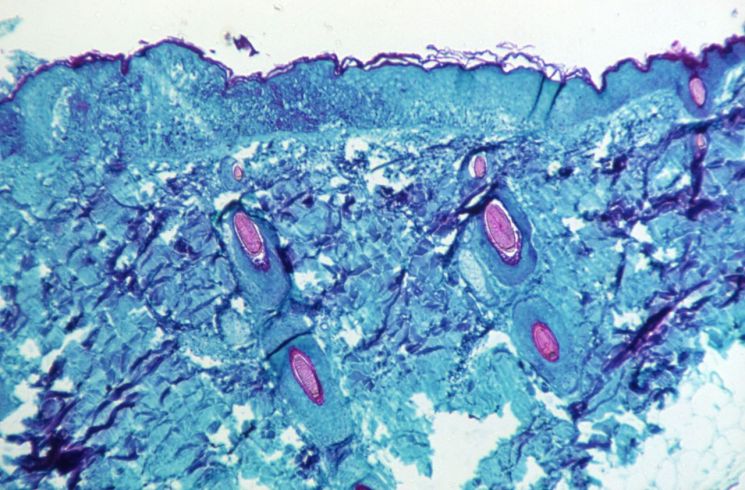
[Asia Economy Reporter Hyunjin Jeong] This year, not only COVID-19 but also various infectious diseases such as poliomyelitis, monkeypox, meningitis, and diphtheria have been reported or are spreading to health authorities. Global disease experts agree that the speed of infectious disease outbreaks is accelerating, but they say it is difficult to explain the reasons with just one or two factors. On the 17th (local time), the U.S. economic media Business Insider summarized seven reasons behind the faster spread of infectious diseases this year based on expert opinions.
① Increased Contact Between Humans and Animals
According to the report, the first cause of infectious disease spread is that contact between humans and animals has expanded more than in the past. Dr. Larry Brilliant, a world-renowned infectious disease scholar who led the eradication of smallpox, said in a video lecture at a health-related event on the 9th, "The boundary between humans and animals has collapsed." Business Insider reported that the development of cities has eliminated habitats for animals, the number of pets has increased, and the demand for meat consumed by humans has reached an all-time high, creating an environment conducive to the spread of infectious diseases amid various changes in human-animal relationships. Dr. Jay Varma, an expert in disease control and prevention at Weill Cornell Medicine in the U.S., also said, "The first factor causing infection is the increased interaction between humans and animals in environments that are not entirely natural or have changed compared to the past."
② Resumption of Movement After COVID-19 ③ Climate Change Issues
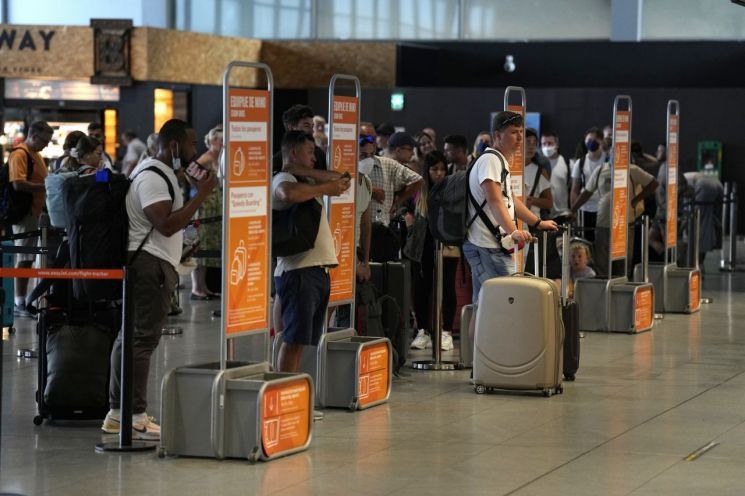
The resumption of global movement, which had stopped due to COVID-19, and the worsening climate change problem have also been pointed out as factors aiding the spread of infectious diseases. When global movement was virtually halted in 2020, influenza almost disappeared for a year, but this year, the spread of monkeypox and poliomyelitis are representative cases. Regarding climate change, a paper was published on the 8th in the world-renowned scientific journal Nature, stating that human pathogens on Earth will worsen due to climate change. Dr. Eric Rubin of the global medical journal The New England Journal of Medicine mentioned the spread of the Zika virus, transmitted by mosquitoes, from Africa to Asia and the Americas, saying, "As insects that carry diseases can travel farther, the pattern of diseases originating from insects is truly changing."
④ Insufficient Vaccine Coverage for Children
Insufficient routine vaccine coverage for children was also cited as a cause of infectious disease spread. The World Health Organization (WHO) announced on the 15th of last month that the proportion of children vaccinated against diphtheria, tetanus, and pertussis dropped by 5 percentage points in 2021 compared to 2019, stating, "Last year saw the largest decline in childhood vaccination rates in 30 years." Recently, poliovirus was detected in the sewage systems of London, UK, and New York, USA, prompting local health authorities to start emergency vaccination for children against this background. The U.S. Centers for Disease Control and Prevention (CDC) also reported that while the nationwide poliovirus vaccination rate for children under two years old is 93%, Rockland County in New York was only 37%.
⑤ Neglect of Outbreaks in Developing Countries
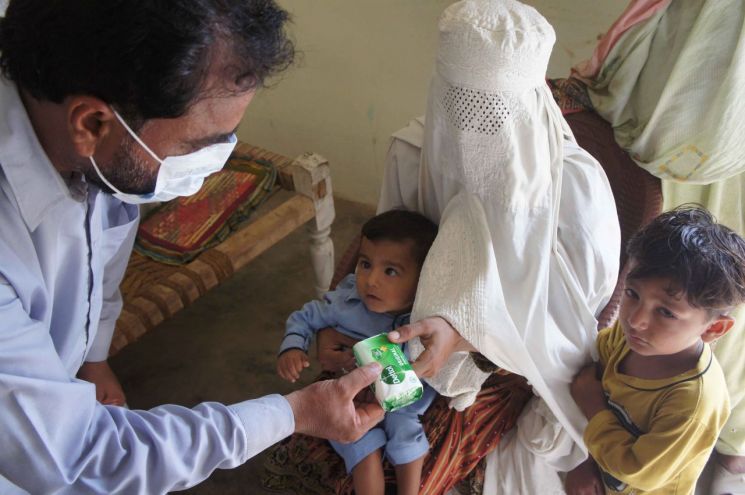
There are also cases where vaccines were not developed in preparation for infectious diseases that had already broken out in developing countries, leading to delayed responses. Dr. Madukar Pai of McGill University in Canada pointed out, "Monkeypox was already present in Africa. No one took action. No one brought vaccines to them," criticizing this as a cost of outdated, short-sighted, and regional disease management. He criticized the fact that monkeypox, which was endemic in Africa, spread to wealthy countries such as the U.S. and Europe, prompting a delayed global response. Dr. Pai added, "If COVID-19 had been better managed in low- and middle-income countries, variants would not have emerged, and if Ebola had been contained in West Africa, it would not have spread to the U.S."
⑥ Increased Reporting Due to Heightened Awareness of Infectious Diseases After COVID-19 ⑦ Difficulty in Understanding Immune System Impact
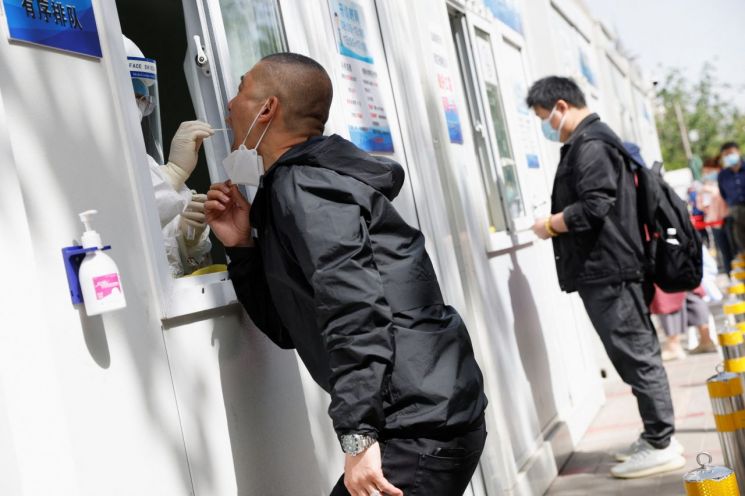
Business Insider also reported that the increased global awareness of infectious diseases due to COVID-19 and the difficulty in understanding how the immune system has changed due to COVID-19 are influencing the spread of other infectious diseases this year. Dr. Pai said, "In the coming months and years, we will be able to determine to what extent COVID-19 has disrupted the immune system and how vulnerable we have become as a result."
Experts emphasize the need for clean drinking water, good hygiene, vaccination, appropriate treatment, and disease-related investigations. Dr. Varma likened the current situation to a sports game, saying, "This is certainly not the situation we hoped for in public health, but it is the situation we feared might happen. It's like the offense is getting stronger and stronger, while our defense is weakening." Dr. Pai stressed, "The answer is more investment in public health."
© The Asia Business Daily(www.asiae.co.kr). All rights reserved.
![Clutching a Stolen Dior Bag, Saying "I Hate Being Poor but Real"... The Grotesque Con of a "Human Knockoff" [Slate]](https://cwcontent.asiae.co.kr/asiaresize/183/2026021902243444107_1771435474.jpg)


















