Decision by the Expert Committee on Vaccine Injury Compensation ... Causality Evidence Judged 'Insufficient'
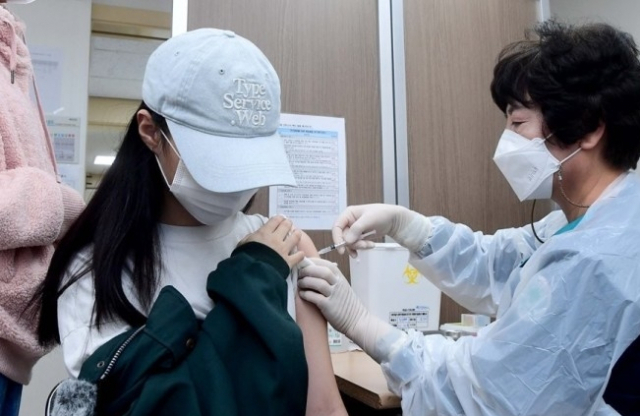
[Asia Economy Reporter Jo In-kyung] Women who experienced abnormal uterine bleeding, menstrual irregularities, and other menstrual disorders after receiving the COVID-19 vaccine can now receive medical expense support.
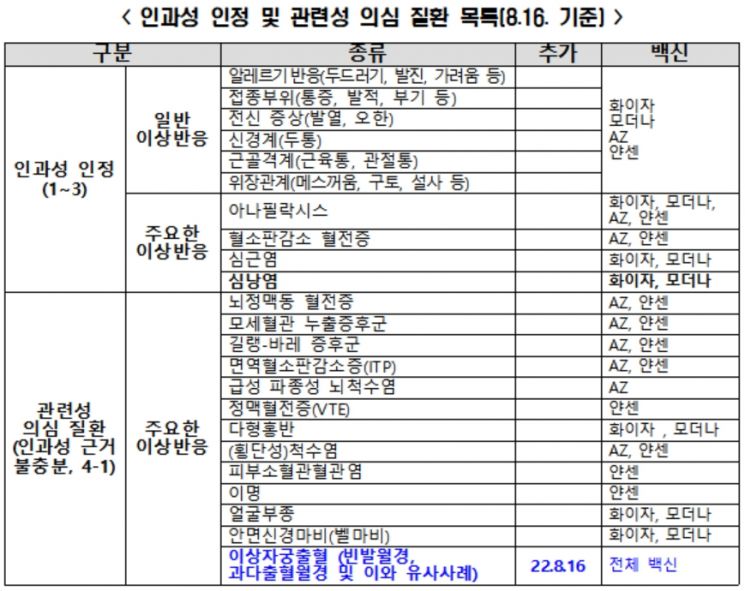
According to the Korea Disease Control and Prevention Agency (KDCA), the Vaccine Injury Compensation Expert Committee held its 15th compensation meeting on the 16th and decided to add frequent menstruation and heavy menstrual bleeding, among other abnormal uterine bleeding cases, to the list of "suspected related diseases."
Earlier, on the 11th, the Korean Academy of Medical Sciences' COVID-19 Vaccine Safety Committee announced that after comprehensively analyzing domestic and international adverse reaction cases and data, the risk of frequent menstruation and bleeding-related abnormal uterine bleeding was statistically significantly higher, and the level of evidence was sufficient to accept a causal relationship. This decision follows that announcement.
Accordingly, individuals experiencing abnormal uterine bleeding after receiving the COVID-19 vaccine can receive up to 50 million KRW per person in medical expense support.
However, the expert committee did not fully acknowledge a causal relationship between the COVID-19 vaccine and abnormal uterine bleeding symptoms. They stated that while a connection to the vaccine is suspected, the evidence is insufficient to definitively recognize causality.
Currently, more than 12 adverse reactions, including cerebral venous sinus thrombosis, Guillain-Barr? syndrome, immune thrombocytopenia (ITP), and facial nerve palsy, are included only as suspected related diseases. Previously, myocarditis and pericarditis were classified as suspected related diseases but were reclassified as causally recognized diseases following additional research results.
The COVID-19 Vaccine Injury Compensation Support Center plans to identify eligible individuals among existing compensation applicants and provide individual guidance later. For those who have not applied, they must report adverse reactions and then apply for compensation at the local public health center with personal documents such as medical records, either by the vaccinated person or their guardian. Subsequently, through epidemiological investigations and reviews, causality will be confirmed, and eligibility for support will be determined.
The Vaccine Injury Compensation Support Center explained, "If another cause other than the COVID-19 vaccine is identified or if the symptoms did not occur within the post-vaccination period, and epidemiological investigation results determine no causality, the individual may not be eligible for support."
© The Asia Business Daily(www.asiae.co.kr). All rights reserved.
![User Who Sold Erroneously Deposited Bitcoins to Repay Debt and Fund Entertainment... What Did the Supreme Court Decide in 2021? [Legal Issue Check]](https://cwcontent.asiae.co.kr/asiaresize/183/2026020910431234020_1770601391.png)

















