Exploring Boundaries with Multidimensional LGBTQ+ Perspectives Including 'Hiraite'
Representative Competitive Section 'Discovery' Highlights Feminist Views and Aesthetics
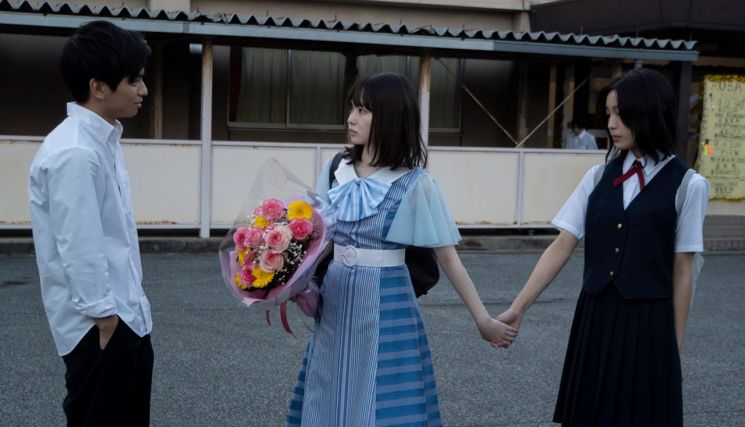
The Seoul International Women's Film Festival will be held from the 25th of this month to the 1st of next month at Megabox Sangam and the Oil Tank Culture Park in Mapo-gu, Seoul. This event aims to promote the diversity of cinema through women's films. It will screen 122 films from 33 countries offline and 26 films from 15 countries online. The representative competitive section, "Discovery," features twelve films. These works stand out with feminist perspectives and aesthetics, showcasing diversification in themes, characters, genres, and styles. Most films portray LGBTQ+ individuals in a multidimensional way, exploring boundaries. Some also experiment with form. Here are seven notable films to watch.
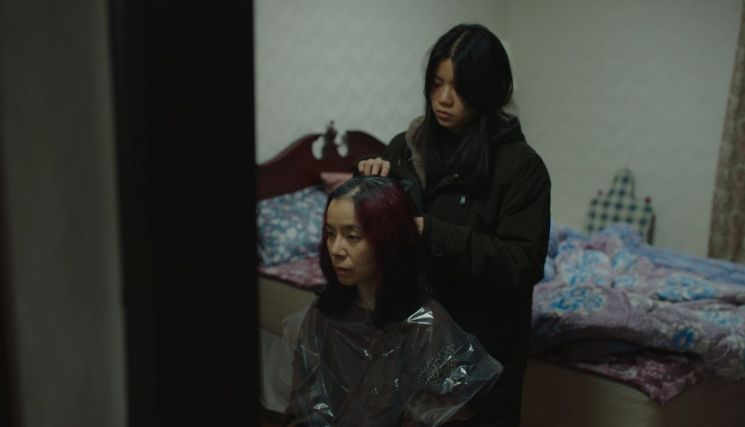
Director Kim Se-in's "Two Women Wearing the Same Underwear"
Lee Jeong and Soo-kyung, a mother and daughter living in the same house, are not close. They quarrel at a supermarket, and an accident occurs where the daughter's car hits her mother. Lee Jeong does not believe Soo-kyung's claim of sudden acceleration. She demands an apology not only for the accident but for their entire past. Director Kim Se-in focuses on the intimate turmoil that arises uniquely between mother and daughter. The first scene uses underwear laundry to symbolize emotional entanglement, weaving various relationships to convey the influence of the primal mother-daughter bond. The intense dialogue between the two women, who both desire and resent each other, is depicted like a disaster in everyday life. Programmer Nam Sun-woo commented, "Yang Mal-bok's portrayal of the mother evokes a line from Elena Ferrante's novel: 'A mother is ultimately just a daughter playing at being a mother.'"
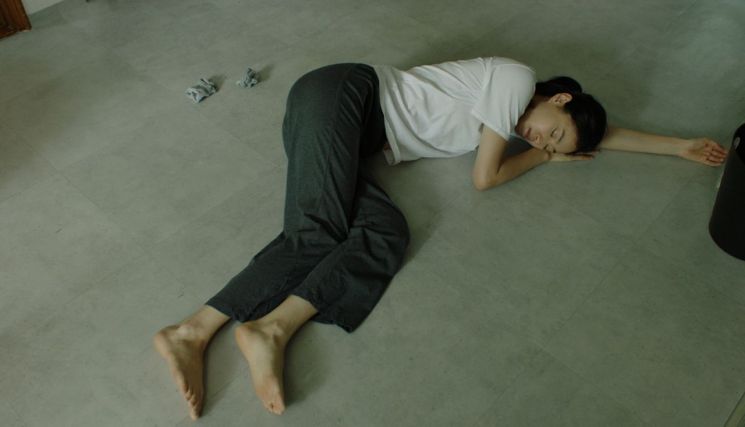
Director Lee Wan-min's "Archaeology of Love"
Yeong-sil and In-sik become lovers just eight hours after meeting. They promise to stay together no matter what but eventually break up. Eight years later, Yeong-sil feels a flutter for In-sik but cannot act on it. Director Lee Wan-min, like Yeong-sil’s profession as an archaeologist, sifts through the past to unfold times of pain, disillusionment, and shame. The film exposes the layers buried in a twisted relationship, allowing a full confrontation. It is not an attempt to blame or justify Yeong-sil, who remained within the magnetic field of a toxic relationship. Instead, it supports her awkward but resolute first steps toward voicing her inner story. Programmer Kim Hyun-min described it as "a journey descending deep into the character's inner world to carefully acknowledge pain and inherent texture," adding, "The long runtime feels dense enough that it hardly registers."

Director Monia Chokri's "Babysitter"
Cedric loses his job after sexually harassing a female journalist while drunk. To escape sexism and misogyny, he plans a bizarre project: writing and publishing an apology letter as long as a novel to women, including the victim. Nadine, his partner who thinks it’s a show, leaves their child with a babysitter and catches up on sleep at a nearby motel. Director Chokri portrays the babysitter as an experimental figure who provokes misogynistic ideas Cedric tries to correct, unfolding a manic screwball sex comedy. The film is embroidered with grotesque satire through lens distortion, extreme zoom shots, and dreamlike art design. Programmer Kim So-mi said, "While it may not offer sharp feminist backlash or incisive reflection, as a fantasy fairy tale it injects adrenaline that social dramas cannot provide."
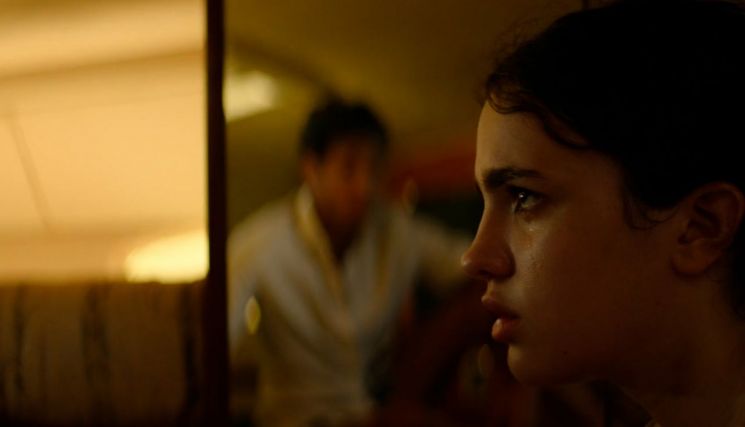
Directors Silvina Schnicer & Ulises Porra's "Carahita"
Sara and her nanny Zarisa form a quasi mother-daughter relationship that transcends class and race. An accident causing someone's death tests their intimacy and shatters the illusion of lifelong togetherness. Set in the Caribbean, this is a unique psychological thriller. Directors Schnicer and Porra create a world full of anxiety and precariousness through foliage, sea, alcohol, cigarettes, and languid sunlight. Within this, class disparities are visualized, producing differences in behavior. Programmer Son Si-nae introduced it as "During traditional death rites, the gestures of one unable to process loss and guilt are etched."
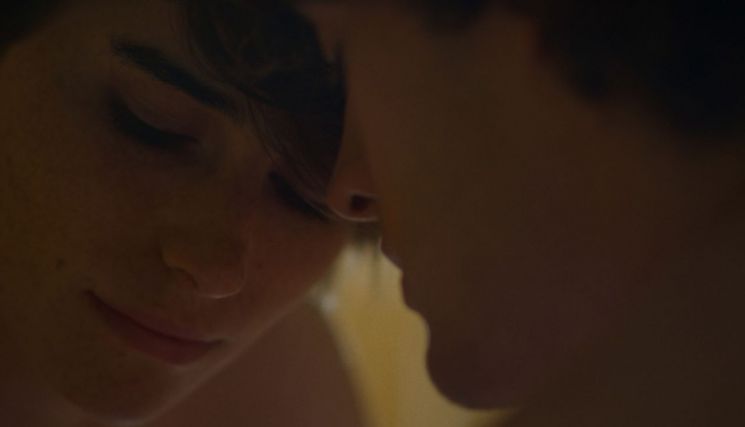
Director Beatrice Baldacci's "The Den"
Julio, eighteen, lives in the countryside with his parents. He gradually gets drawn into Lia’s strange and dangerous game after she moves in next door. This is a romance blooming on the edge of minority age. Though it resembles a love story oscillating between decadence and aestheticism, it is closer to an escape from a cold refuge of pain. Lia, initially portrayed as a femme fatale, is severely distorted the moment Julio peeks into her household. She appears not as an ambiguous object of desire but as the master of her own life. Director Beatrice Baldacci ignites relationships centered on sexuality, reversing the subject of gaze and organizing a subversive solidarity. Programmer Kim So-mi praised it, saying, "It traces isolation and alienation from unspoken female pain and subtly questions the fragile conditions of survival faced by suffering women."
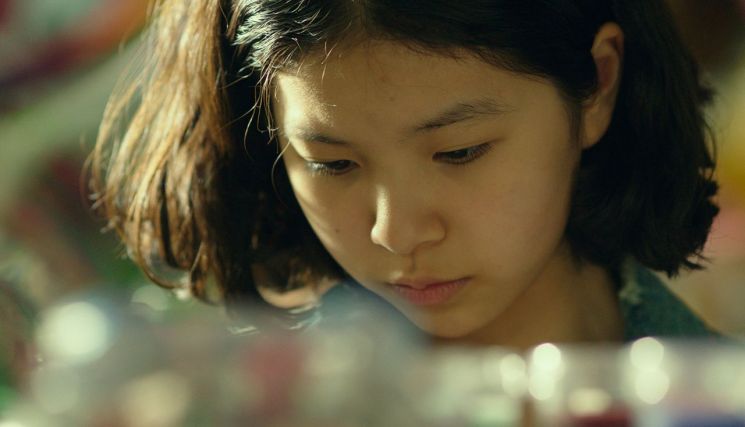
Director Lee Ji-eun's "Secret Hill"
This is a story about twelve-year-old Myeong-eun growing up by understanding herself and her family through writing. Myeong-eun is a child who hides her tough mother and lazy father, wanting to be recognized for her uniqueness. Participating in a writing contest, she carefully chooses words and sentences, creating a modest "Secret Hill" in her heart. Observing the frank and confident Hye-jin, a transfer student, she also contemplates the power of truth. Her efforts to look into difficult relationships develop into building her own unique world. Programmer Cha Han-bi introduced it as "A coming-of-age story of an adolescent girl and a record about a creator grappling with talent and identity," adding, "The harmonious performances of the actors stand out within a generous gaze that does not overlook each person's circumstances."
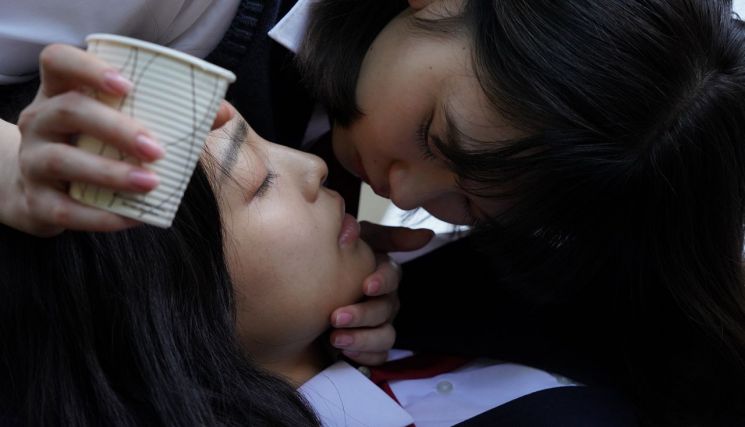
Director Shuto Rin's "Hiraite"
A child who loves Datoe, a boy in the same class. Datoe has a girlfriend, Miyuki. Between desire for Datoe and curiosity about Miyuki, the child becomes bolder... Director Shuto Rin lightly dismisses the typical high-teen romance. Rejecting heteronormative narratives, the film actively depicts sexuality. Programmer Nam Sun-woo explained, "It aims to show the possibility that childhood love can peel away the shell surrounding the self," adding, "Images like a bicycle riding through darkness and paper cranes fluttering like cherry blossoms tenderly care for the precariousness of youth."
© The Asia Business Daily(www.asiae.co.kr). All rights reserved.

![Clutching a Stolen Dior Bag, Saying "I Hate Being Poor but Real"... The Grotesque Con of a "Human Knockoff" [Slate]](https://cwcontent.asiae.co.kr/asiaresize/183/2026021902243444107_1771435474.jpg)
















