10.3 Hand, Foot, and Mouth Disease Cases per 1,000 Outpatients
Increased Virus Exposure Due to More Outdoor Activities
Strict Personal Hygiene Such as Handwashing and Mask Wearing
[Asia Economy Reporter Lee Gwan-joo] Along with the resurgence of COVID-19, 'Sujokgu-byeong' (Hand, Foot, and Mouth Disease), which mainly affects infants and young children, is also spreading vigorously, requiring special caution from parents with young children. Sujokgu-byeong is an infectious disease that mainly occurs from spring to autumn, and experts expect the number of cases to continue for some time. Since there is no specific treatment, prevention should be the primary focus in response.
According to the Korea Disease Control and Prevention Agency (KDCA) and the medical community on the 13th, the number of Sujokgu-byeong patients this year has increased significantly compared to last year. The Sujokgu-byeong suspected patient ratio (number of suspected Sujokgu-byeong patients per 1,000 outpatients) announced recently by the KDCA was 10.3 for the 28th week of this year (July 3?9), more than 10 times higher than the same period last year (0.9).
Experts interpret this as a phenomenon resulting from increased outdoor activities following the relaxation of COVID-19 social distancing measures. Professor Jang Hanna of the Department of Pediatrics and Adolescents at Kangdong Kyung Hee University Hospital explained, "The low number of patients in 2020?2021 was likely due to reduced exposure to external viruses and adherence to personal hygiene rules, which limited virus transmission. This year, with the easing of social distancing and increased indoor and outdoor activities, the likelihood of virus exposure naturally increased. We also need to consider that the epidemic season runs from early summer to autumn."
 Professor Jang Hanna, Department of Pediatrics and Adolescents, Kangdong Kyung Hee University Hospital.
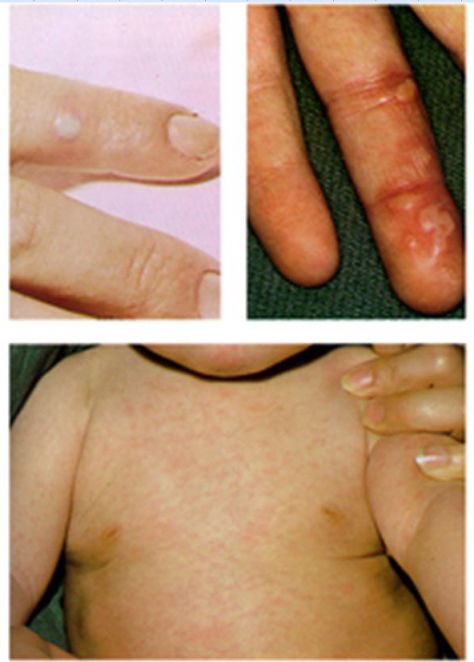
Sujokgu-byeong is a disease caused by viral infection. It commonly occurs in summer and autumn and is characterized by blisters and ulcers in the mouth and vesicular rashes on the hands and feet. The causative viruses include Coxsackievirus A16 and Enterovirus 71. Other causes include Coxsackie A viruses 5, 6, 7, 9, 10, and Coxsackie B viruses 2 and 5. The virus is present in the feces of infected individuals, as well as respiratory secretions such as saliva, sputum, nasal mucus, and the fluid from blisters, through which it spreads.
Even if infected with Sujokgu-byeong, it is generally a mild illness that naturally recovers within 7 to 10 days. There may be a slight fever or no fever at all, and blisters can appear on the tongue, buccal mucosa, posterior pharynx, palate, gums, and lips. Rashes are more common on the hands than the feet and are vesicular, measuring 3?7 mm, more frequently found on the backs of the hands and feet than on the palms and soles. Rashes may also appear on the buttocks and groin, with those on the buttocks usually not forming blisters.
There is no specific treatment for Sujokgu-byeong, but symptomatic treatment can be provided to relieve symptoms. Antipyretic analgesics can be used to reduce fever and pain; however, aspirin is prohibited for children. If swallowing is painful and difficult due to mouth ulcers, leading to inadequate fluid intake and severe dehydration, intravenous fluid therapy may be administered. Although rare, Sujokgu-byeong caused by Enterovirus 71 can lead to meningitis or encephalitis. If a child with Sujokgu-byeong shows neurological symptoms such as vomiting, severe headache, or decreased consciousness, emergency room evaluation or hospitalization may be necessary to check for central nervous system involvement.
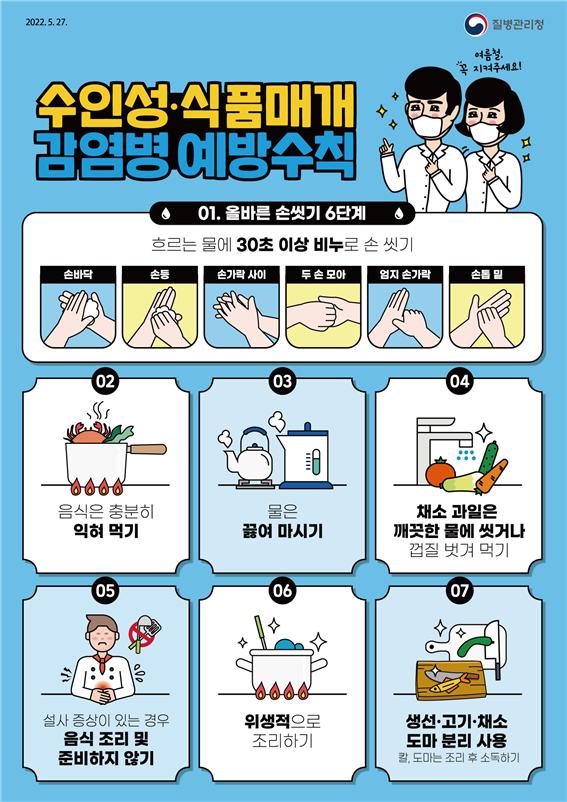
Since there is currently no treatment or vaccine for Sujokgu-byeong, prevention is the best approach. As it is mostly transmitted through direct contact in kindergartens, schools, summer camps, and similar settings, strict adherence to personal hygiene rules and maintaining a clean environment are essential. In households with Sujokgu-byeong patients, thorough handwashing with soap and running water for at least 30 seconds is mandatory after using the bathroom, changing diapers, or contacting nasal and throat secretions, feces, or blister fluid. Even though social distancing has been relaxed, wearing masks outdoors rather than removing them can reduce the risk of droplet infection. Toys and surfaces should be washed with soap and water first, then disinfected before use.
© The Asia Business Daily(www.asiae.co.kr). All rights reserved.
![Clutching a Stolen Dior Bag, Saying "I Hate Being Poor but Real"... The Grotesque Con of a "Human Knockoff" [Slate]](https://cwcontent.asiae.co.kr/asiaresize/183/2026021902243444107_1771435474.jpg)













